Exposed Aggregate vs. Stamped Concrete: Which is better for Australian weather?
Choosing the right outdoor flooring for an Australian home involves more than just picking a style that complements the architecture. The harsh reality of the Australian climate—ranging from the blistering summer heat of Western Australia to the unpredictable rainfall and humidity of Queensland—requires a material that is as resilient as it is beautiful. Homeowners often find themselves debating between two of the most popular decorative concrete options on the market. Deciding between these two requires a deep understanding of how raw materials react to thermal expansion and moisture. By consulting industry resources and expert rankings provided by Top 10 Concreters, property owners can gain a clearer perspective on which decorative finish offers the best longevity for their specific regional conditions.
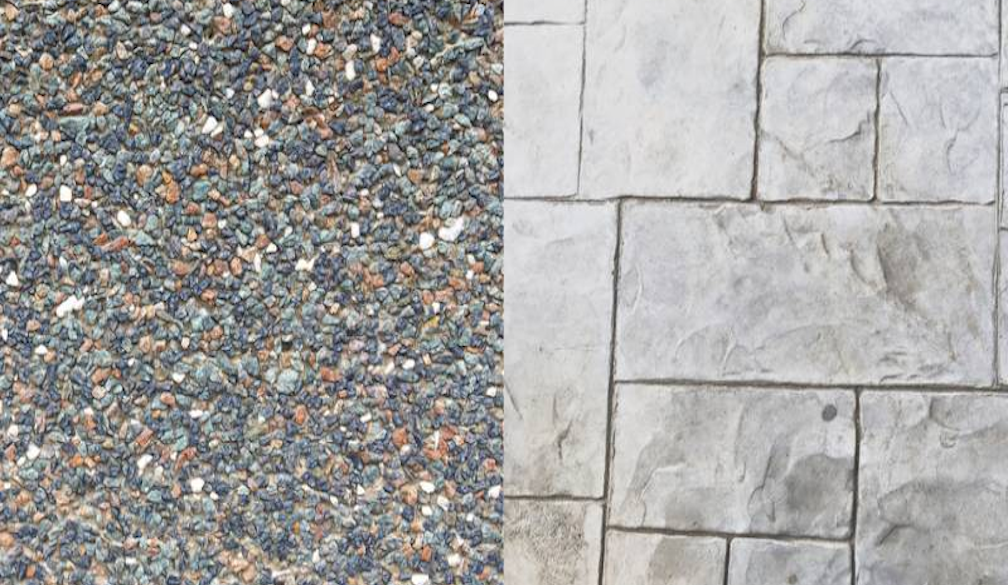
The debate often centers on texture versus pattern, but for the Australian context, durability and safety are the real deciding factors. Both finishes fall under the broad category of decorative concrete, yet they are achieved through vastly different installation processes. Exposed aggregate relies on revealing the natural stones and pebbles embedded within the mix, while stamped concrete uses heavy rubber mats to imprint a texture into the surface before it fully cures. Each has a unique relationship with UV exposure and heavy downpours, making it essential to evaluate them through the lens of local environmental stressors before committing to a significant investment in your home's exterior.
The Resilience of Exposed Aggregate Concrete in High Heat
Exposed aggregate concrete has long been a staple in Australian landscaping, particularly for driveways and poolside areas. One of its primary advantages in the local climate is its exceptional thermal mass and its ability to hide the minor imperfections that occur during extreme temperature shifts. In cities like Sydney or Perth, where the summer sun can cause significant expansion in concrete slabs, the rugged, textured surface of exposed aggregate is much more forgiving than a smooth finish. The variety of small stones and pebbles distributed throughout the mix helps to break up the surface area, which can reduce the visual impact of hairline surface cracks that often plague residential slabs during the curing process or after years of seasonal movement.
Furthermore, the slip resistance of exposed aggregate is virtually unmatched among decorative concrete options. Because the stones are physically protruding from the surface, they provide a natural grip that is essential during the sudden summer storms common in tropical and subtropical regions. This makes it an ideal choice for slopped driveways or high-traffic walkways where safety is a non-negotiable requirement. While it may feel slightly more abrasive underfoot compared to other finishes, the trade-off in safety and structural reliability makes it a top-tier contender for the rugged Australian environment.
Decorative Concrete Trends and Aesthetic Flexibility
When discussing decorative concrete, the conversation often shifts toward the limitless design possibilities offered by modern technology. Australians have a keen eye for outdoor living, and the driveway or patio is frequently seen as an extension of the indoor living space. Stamped concrete, in particular, allows homeowners to mimic the look of expensive natural materials like slate, flagstone, or even timber planks without the exorbitant cost of sourcing and laying individual stones. This versatility has made it a favorite in suburban developments across Melbourne and Sydney, where aesthetic cohesion is a priority for maintaining property values.
However, achieving a high-quality decorative finish requires a high level of craftsmanship. The process involves adding color hardeners and release agents that not only provide the desired hue but also add a layer of protection to the surface. In the Australian context, these pigments must be UV-stabilized to prevent the color from fading under the intense southern sun. When executed correctly by experienced professionals, decorative concrete can transform a dull backyard into a sophisticated entertaining area. The key is ensuring that the chosen style does not just look good on day one but is also engineered to survive the unique environmental challenges found in the local area.
The Impact of Melbourne and Sydney Weather on Stamped Concrete
The performance of stamped concrete Sydney or Melbourne residents experience can vary based on the specific application and maintenance routine. Stamped concrete provides a stunning, seamless look, but its smooth, imprinted surface can sometimes be a liability in wet conditions. Unlike the natural grit of aggregate, stamped patterns can become quite slippery when wet if they are not treated with an appropriate non-slip additive during the sealing process. This is particularly relevant in Melbourne, where the weather can change in an instant, and "four seasons in one day" is a common reality for homeowners.
Another consideration for stamped concrete in the Australian climate is the maintenance of the sealer. The glossy finish that many people associate with stamped patterns is actually a protective acrylic layer. This layer acts as a barrier against moisture and UV rays, but it must be reapplied every two to three years to remain effective. If the sealer is neglected, the intense Australian sun can cause the color to bleach, and moisture can penetrate the pores of the concrete, leading to surface scaling over time. Therefore, while stamped concrete offers superior aesthetic control, it demands a more disciplined maintenance schedule than its aggregate counterpart to stay in peak condition.
Durability and Structural Integrity in Extreme Conditions
In terms of pure structural endurance, both finishes are only as good as the sub-base and the reinforcement mesh beneath them. In Australia, the standard for residential driveways typically calls for a 100mm slab with SL72 or SL82 mesh. However, the finish itself contributes to how the slab ages. Exposed aggregate is generally considered the "tougher" of the two because the surface is composed of hard-wearing natural stone rather than a thin layer of imprinted paste. It is less likely to show signs of wear and tear from heavy vehicle traffic or the scratching of outdoor furniture, making it a robust choice for families with multiple cars or active lifestyles.
Stamped concrete, while durable, is slightly more prone to showing surface scratches or chips if heavy objects are dragged across it. Because the pattern is only imprinted a few millimeters deep, a deep gouge can reveal the uncolored concrete beneath, which can be difficult to patch seamlessly. For homeowners in coastal regions, both types of concrete are susceptible to the effects of salt air, which can accelerate the corrosion of internal steel reinforcement if the slab is not poured and vibrated correctly. Choosing a contractor who understands these regional nuances is just as important as choosing the material itself.
Maintenance Requirements and Long-Term Value
When evaluating the long-term value of your investment, you must consider the total cost of ownership over ten or twenty years. Exposed aggregate is often seen as a "set and forget" option. While it still benefits from a professional seal every few years to keep the stones looking vibrant and to prevent moss or algae growth in the crevices, it is incredibly resilient against neglect. It does not require frequent cleaning to hide dirt or tyre marks, as the variegated texture naturally masks most everyday debris. This makes it an excellent option for those who want a premium look without the weekend chores.
On the other hand, stamped concrete requires a bit more attention to keep its "wow factor" intact. Because the patterns often include faux grout lines or deep crevices, dirt and leaves can accumulate in the recesses, requiring regular pressure washing. However, for many Australian homeowners, the trade-off is worth it for the sophisticated, high-end appearance it provides. Ultimately, the decision often comes down to whether the homeowner prioritizes the rugged, natural durability of aggregate or the refined, architectural elegance of stamped patterns. Both have a place in the diverse Australian architectural landscape, provided they are installed according to local building codes.
Navigating the complexities of home improvement projects in the Australian climate requires a blend of practical knowledge and access to verified trade information. Whether you lean toward the slip-resistant nature of aggregate or the versatile patterns of stamped finishes, the success of your project hinges on the skill of the installers you hire. By leveraging the expertise and curated listings found at Top 10 Concreters, you can connect with professionals who understand the specific demands of Australian weather. Ensuring that your driveway or patio is built with the right materials and techniques will provide peace of mind and lasting value for your Australian property for many years to come.