Fuel: What It Has Done to Australian Air Fares, Flight Schedules and How We Think About Going Overseas
- Written by: The Times
For decades, Australians have taken for granted that the world is accessible. A long-haul flight was expensive, yes—but predictable. Airlines scheduled routes years in advance, fares moved within a relatively stable range, and travel decisions were driven more by lifestyle than by global energy markets.
That assumption is now being tested.
Fuel—specifically aviation fuel—has reasserted itself as the single most powerful force shaping the cost, availability, and psychology of international travel. What we are witnessing is not just a temporary spike in airfares, but a structural shift in how Australians engage with the idea of flying.
The Price Shock: Airfares Rising Fast—and Unevenly
Jet fuel has always been a major cost for airlines, typically accounting for around a quarter to a third of operating expenses. But in 2026, that cost has surged dramatically.
-
Jet fuel prices have more than doubled in some markets
-
In Australia, airlines have already begun raising domestic and international fares
-
Experts warn airfares could rise by up to 30% on key routes
The impact is already visible to consumers. On major domestic routes like Sydney–Melbourne, peak fares have pushed into the $400–$500 range for economy seats —a level that begins to change behaviour.
International travel is even more exposed. Long-haul routes burn significantly more fuel, meaning Australia—geographically distant from most global destinations—is disproportionately affected.
For Australians heading to Europe or North America, the message is clear: flying is no longer cheap, and it is becoming less predictable.
Airlines Respond: Higher Prices, Fewer Flights
Airlines are not absorbing these costs—they are restructuring around them.
Recent developments show a clear pattern:
-
Airlines are cutting less profitable routes and reducing frequency
-
Some carriers have already cancelled thousands of flights globally due to cost and supply pressures
-
Others are introducing or increasing fuel surcharges and ancillary fees
Even in Australia, where fuel supply remains stable for now, airlines are making defensive moves:
-
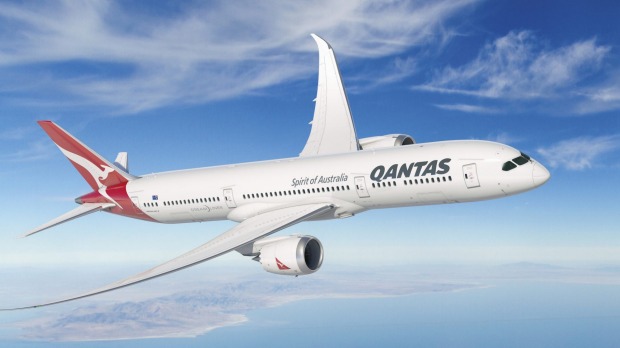
Qantas has raised international fares and reviews pricing frequently
-
Virgin Australia has increased fares and trimmed capacity on lower-demand routes
This is classic airline economics under pressure. When fuel rises, airlines:
-
Raise ticket prices
-
Cut marginal routes
-
Consolidate flights to improve load factors
The result is fewer choices for consumers—and higher prices for those who still fly.
Flight Schedules: Less Convenience, More Complexity
One of the least discussed impacts of fuel costs is what it does to scheduling.
Australians are now seeing:
-
Reduced frequency on routes (fewer daily options)
-
Longer travel times due to rerouting around conflict zones
-
More stopovers replacing direct flights
The Middle East conflict has already disrupted traditional Europe routes, with airlines forced to bypass key airspace. This has effectively increased flight times and fuel burn, compounding the problem .
In practical terms, the “easy” long-haul journey is disappearing.
Where Australians once flew Sydney–London with a single stop, they may now face:
-
Two-stop itineraries
-
Longer layovers
-
Higher costs for less convenience
Air travel is becoming operationally constrained—not just financially expensive.
The Psychological Shift: How Australians Think About Travel
Perhaps the most profound change is not in pricing or schedules—but in mindset.
Fuel is changing how Australians think about going overseas.
1. Travel is becoming a financial decision again
For years, international travel—particularly to Southeast Asia—felt routine. Cheap fares, competitive airlines, and predictable pricing made overseas trips almost casual.
That era is fading.
Rising fuel costs are forcing households to reconsider:
-
Is the trip worth the cost?
-
Should we travel domestically instead?
-
Do we delay travel entirely?
There is already evidence that some Australians are cancelling or postponing travel plans due to rising fuel-driven costs .
2. Booking behaviour is changing
Airlines are now encouraging early bookings, and consumers are responding.
Why?
Because pricing volatility has increased. When fuel moves rapidly, airlines adjust fares quickly—sometimes week to week.
This creates a new behaviour pattern:
-
Book early to lock in price
-
Avoid last-minute travel unless necessary
-
Accept less flexibility in exchange for certainty
3. Destination choices are shifting
Fuel costs disproportionately affect long-haul travel.
As a result:
-
Short-haul destinations (Bali, New Zealand, Pacific islands) remain relatively attractive
-
Long-haul destinations (Europe, UK, US) are becoming premium experiences
Australians may still travel—but they will travel differently.
Fewer trips. Longer stays. More considered decisions.
4. The return of “travel as a luxury”
For a generation, global travel became democratised.
Budget airlines, competitive routes, and stable fuel prices turned overseas holidays into a mainstream activity.
Fuel is reversing that trend.
When airlines face sustained cost pressure, travel naturally shifts back toward:
-
Higher-income households
-
Essential travel (business, family)
-
Premium experiences rather than frequent trips
In effect, fuel is reintroducing scarcity into global mobility.
The Bigger Picture: Australia’s Structural Disadvantage
Australia’s geography has always been a challenge—but cheap fuel masked it.
Now, that disadvantage is exposed.
-
We are far from major markets
-
We rely heavily on imported aviation fuel
-
Our routes are long-haul by necessity
When fuel prices rise globally, Australia feels it more intensely than most countries.
Even if supply remains stable domestically, global pricing dynamics dictate what airlines charge—and how they operate.
What Happens Next?
The critical question is whether this is temporary—or structural.
There are three possible scenarios:
1. Short-term spike (optimistic)
If global supply stabilises, airfares may ease—but likely not return to previous lows quickly.
2. Medium-term volatility (most likely)
Fuel prices remain unstable, leading to:
-
Ongoing fare fluctuations
-
Periodic route cuts
-
Continued uncertainty for travellers
3. Structural reset (worst-case)
If high fuel costs persist, the aviation industry may permanently shift toward:
-
Higher baseline fares
-
Fewer routes
-
More premium-focused travel
Conclusion: Fuel Has Changed the Rules
Fuel is no longer just a background cost in aviation—it is now the defining force.
It is reshaping:
-
What Australians pay to fly
-
Where airlines choose to operate
-
How often flights run
-
And how Australians think about leaving the country
The age of cheap, abundant, predictable air travel is under pressure.
For Australians, the world is still there—but it is becoming more expensive, less convenient, and more deliberate to reach.
And for many, that may be the biggest shift of all.