What young people really think about the social media ban
- Written by: Kim Osman, Senior Research Associate, Digital Media Research Centre, Queensland University of Technology
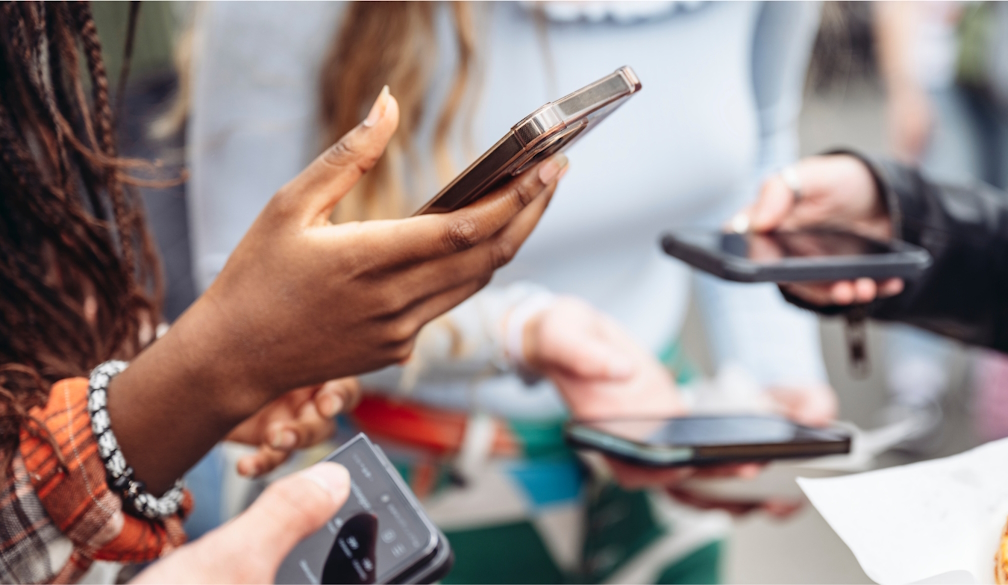
From next Wednesday, thousands of young Australians under 16 will lose access to their accounts across ten social media platforms[1], as the teen social media ban takes effect.
What do young people think about it? Our team[2] of 14 leading researchers from around the country interviewed 86 young people from around Australia, aged between 12 and 15, to find out.
Young people’s voices matter
The social media ban, which was legislated[3] 12 months ago, has attracted considerable media coverage and controversy.
But largely missing from these conversations has been the voices of young people themselves.
This is a problem, because research[4] shows that including young people’s voices is best practice for developing policy that upholds their rights, and allows them to flourish in a digital world.
There’s also evidence that when it comes to public policy concerning young people and their use of technology, discussion often slips into a familiar pattern of moral panic[5]. This view frames young people as vulnerable and in need of protection, which can lead to sweeping “fixes” without strong evidence of effectiveness[6].
‘My parents don’t really understand’
Our new research[7], published today, centres the voices of young people.
We asked 86 12–15-year-olds from around Australia what they think about the social media ban and the kinds of discussions they’ve had about it. We also asked them how they use social media, what they like and don’t like about it, and what they think can be done to make it better for them.
Some young people we spoke to didn’t use social media, some used it every now and then, and others were highly active users. But they felt conversations about the ban treated them all the same and failed to acknowledge the diverse ways they use social media.
Many also said they felt adults misunderstand their experiences. As one 13-year-old boy told us:
I think my parents don’t really understand, like they only understand the bad part not the good side to it.
Young people acknowledge that others may have different experiences to them, but they feel adults focus too much on risks, and not enough on the ways social media can be useful.
Many told us they use social media to learn, stay informed, and develop skills. As one 15-year-old girl said, it also helps with hobbies.
Even just how to like do something or like how to make something, I’ll turn to social media for it.
Social media also helps young people find communities and make connections. It is where they find their people.
For some, it offers the representation and understanding they don’t get offline. It is a space to explore their identity, feel affirmed, and experience a sense of belonging they cannot always access in their everyday lives.
One 12-year-old girl told us:
The ability to find new interests and find community with people. This is quite important to me. I don’t have that many queer or neurodivergent friends – some of my favourite creators are queer.
Their social media lives are complex and they feel like the ban is an overly simplistic response to the issues and challenges they face when using social media. As one 12-year-old boy put it:
Banning [social media] fully just straight up makes it a lot harder than finding a solution to the problem […] it’s like taking the easy solution.
So what do they think can be done to make social media a better place for them?
Nuanced restrictions and better education
Young people are not naive about risks. But most don’t think a one-size-fits-all age restriction is the solution. A 14-year-old boy captured the views of many who would rather see platforms crack down on inappropriate and low-quality content:
I think instead of doing like a kids’ version and adult version, there should just be a crackdown on the content, like tighter restrictions and stronger enforcement towards the restrictions.
They also want to see more nuanced restrictions that respond to their different ages, and believe platforms should be doing more to make social media better for young people. As one 13-year-old boy said:
Make the platforms safer because they’re like the person who can have the biggest impact.
Young people also want to see more – and crucially, better – education about using social media that takes a more holistic approach and considers the positives that using social media can have for young people. One 15-year-old boy said:
I’d rather [the government] just like implement more media literacy programs instead of just banning [social media] altogether, because it just makes things a lot more complicated in the long run.
As the teen social media ban edges closer and platforms start to implement the legislation, there are practical things[8] children and teens can do to prepare for these changes.
References
- ^ ten social media platforms (www.esafety.gov.au)
- ^ team (research.qut.edu.au)
- ^ legislated (theconversation.com)
- ^ research (journals.sagepub.com)
- ^ moral panic (www.youthandpolicy.org)
- ^ without strong evidence of effectiveness (doi.org)
- ^ new research (apo.org.au)
- ^ practical things (theconversation.com)