A Signal Through the Mountains: Zhejiang Mobile’s 5G Brings Care to Rural China
LISHUI, CHINA - Media OutReach Newswire - 29 October 2025 – At the 78th World Health Assembly in Geneva earlier this year, a rural healthcare project from eastern China drew global attention.
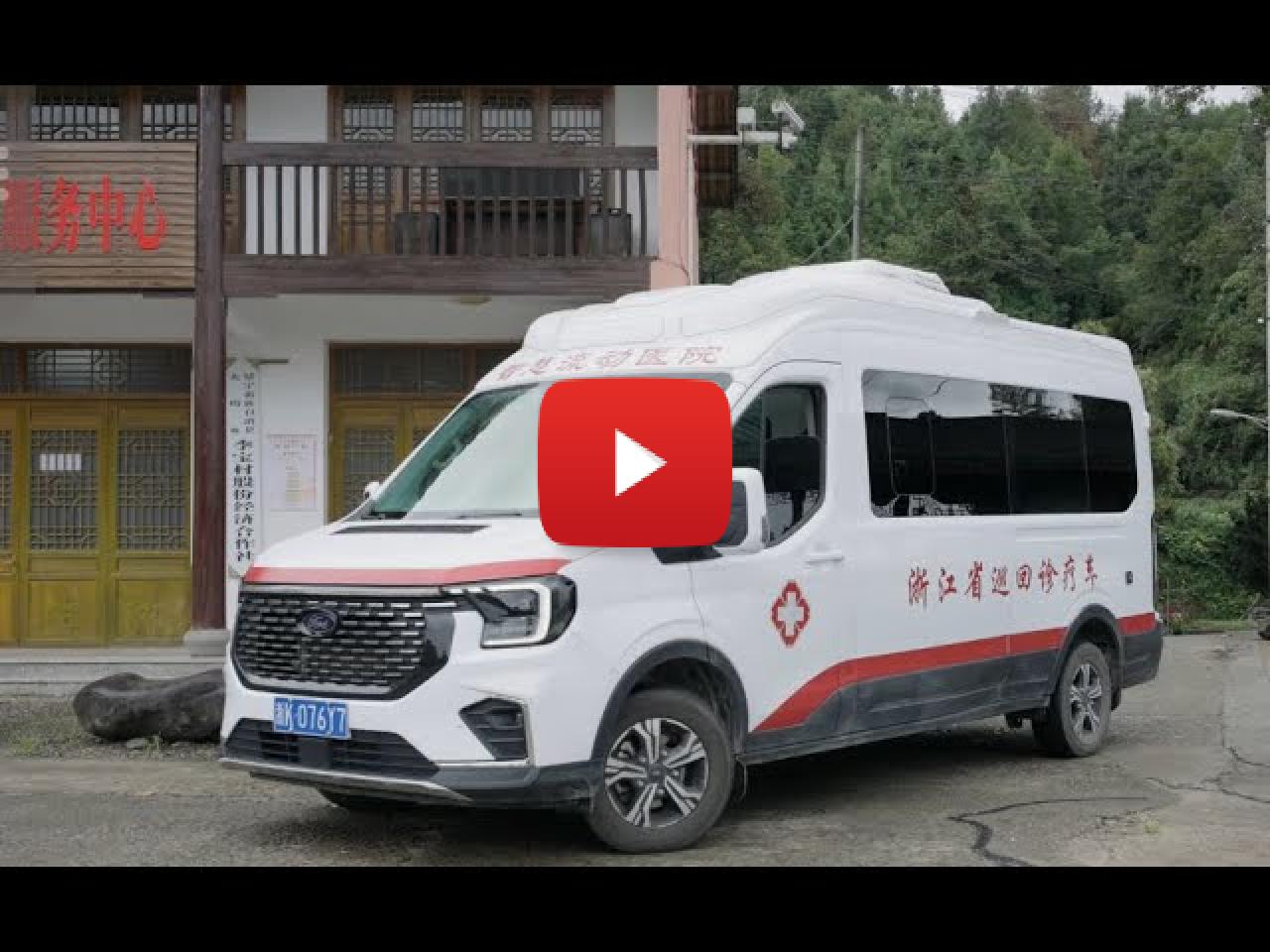
The mountain county of Jingning She Autonomous County in Zhejiang's Lishui City introduced its "Smart Mobile Hospital + AI" model — an innovation that shows how digital transformation can bring quality medical services to remote regions.
Delegates said the project offers a glimpse into how technology can bridge healthcare gaps for mountain communities, where access to doctors has long been limited by geography.
For 81‑year‑old Liu Yuyu, those gaps used to mean several hours on steep mountain roads just to see a specialist in Hangzhou, the provincial capital. Now she simply visits her township clinic and meets doctors through a high‑definition screen. Her entire medical history, stored in Zhejiang's cloud‑based health system, allows specialists hundreds of kilometers away to review her data and adjust treatment in real time.
Such changes are reshaping healthcare in Jingning She Autonomous County in Lishui City, Liu's mountainous hometown in eastern Zhejiang. Powered by Zhejiang Mobile's 5G network, artificial intelligence and big‑data tools, the "Smart Mobile Hospital + AI" program is bringing advanced care to even the most remote villages.
In Jingning, known as a land of "nine parts mountain, half part water and half part field," visiting a doctor has long been a challenge. Some residents still spend an hour to reach a township clinic and more than two hours to the county hospital. With the new system, consultations and diagnostics once requiring a trip to the city can now happen almost instantly.
To overcome the region's rugged geography, Zhejiang Mobile has transformed its service vehicles into 5G‑enabled mobile clinics. Each van maintains a stable signal on winding roads, transmitting high‑resolution images and test results to upper‑level hospitals. Inside, AI‑based software analyzes symptoms and supports local doctors in diagnosing patients and recommending treatments.
Each vehicle works as a mini hospital, equipped with more than 20 types of medical devices — from portable ultrasounds and ECG monitors to lung‑function analyzers. Township physicians can perform examinations, prescribe medication, and even provide emergency care on site. For complicated cases, they connect instantly with specialists in city or provincial hospitals through the same 5G network.
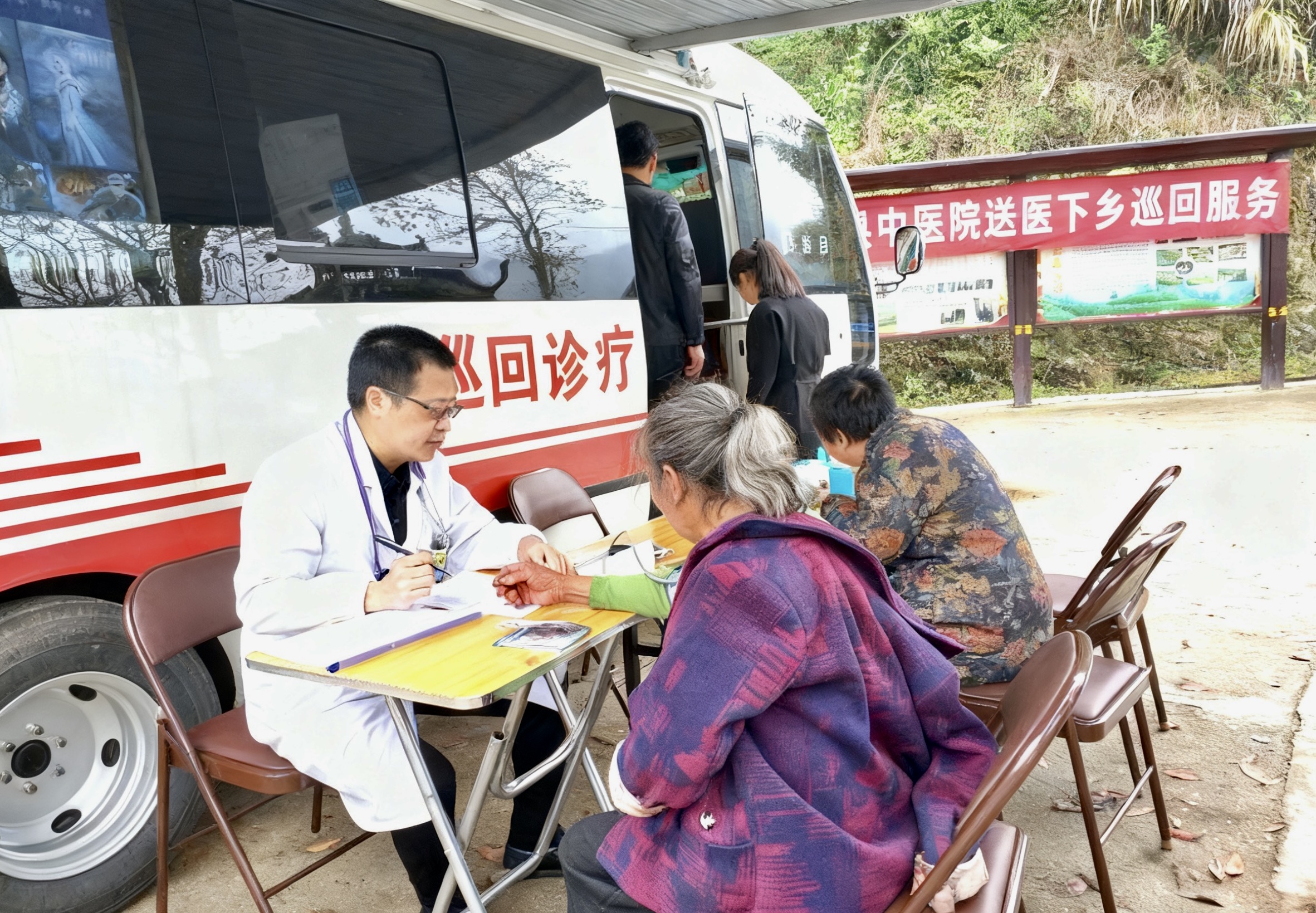
Inside the Zhejiang Mobile 5G‑enabled mobile clinic, a doctor is using connected diagnostic devices to examine patients and transmit real‑time data to upper‑level hospitals.
Local health authorities say Zhejiang Mobile's platform helps automate the screening of chronic illnesses such as hypertension, coronary heart disease and cataracts, recommending drugs or further tests. This has significantly improved early detection and reduced serious cases among elderly residents.
To make the "Smart Mobile Hospital" serve not only daily clinical needs but also emergency response, Zhejiang Mobile worked with local authorities to connect data systems across public security, civil affairs and social‑insurance departments. The company helped build an integrated workflow that unites pre‑hospital emergency services with in‑hospital treatment.
When an emergency occurs in a remote mountain area, the system can automatically match and dispatch both a mobile hospital and an ambulance, ensuring rapid, coordinated rescue.
"When patients board the vehicle, facial‑recognition technology immediately confirms their identity and retrieves family and insurance information," said Chen Lifeng, the director of the Dajun Township Health Center in Jingning County. "All registration and admission procedures are completed in advance, so the patient is effectively admitted upon boarding."
Through a real‑time 5G link between the vehicle and the hospital, vital‑sign data is transmitted to emergency rooms as doctors provide remote guidance. This enables continuous treatment across the chain — from rescue site to vehicle to hospital.
Seven Zhejiang Mobile medical units now serve Jingning County, covering 67 villages and 78 regular stops. They have traveled more than 250,000 kilometers and delivered care to over 100,000 residents. For families once separated from modern healthcare by mountains, access is finally within reach.
Local doctors say 5G and AI are changing not only how patients are treated but how they think about medicine. Regular screenings catch illnesses earlier, and growing trust in remote consultations encourages people to seek help sooner.
As China continues modernizing its vast primary‑healthcare network, Jingning's experiment is being closely watched. Zhejiang Mobile's Smart Mobile Hospital may become a model for other remote regions seeking affordable, technology‑driven medical solutions.
Liu, who once dreaded the long trip to the city, now jokes that her doctors travel farther than she does. "They come here through the screen," she says with a laugh. "And I don't miss the bus anymore."
Hashtag: #ChinaMobileCommunicationsGroupZhejiang
The issuer is solely responsible for the content of this announcement.