8 Types of Motorcycles and the Best Way to Tow Each One
- Written by: Times Media
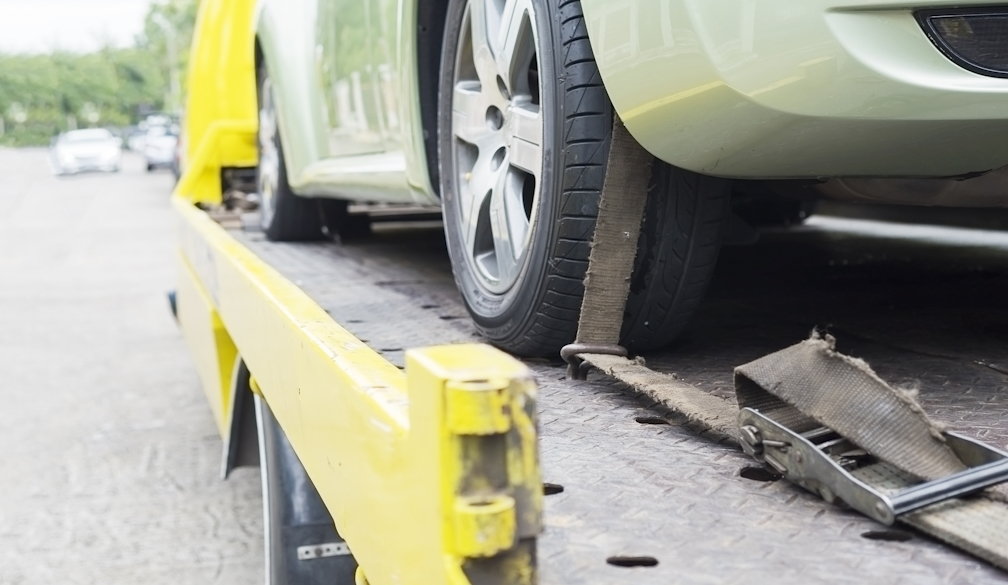
Your bike cuts out, and suddenly everything stops. Traffic moves on, and you’re left wondering what to do next.
You know you need a tow, but the bigger worry is how they will handle your bike. One wrong strap or bad angle can mean scratches, cracked fairings, or stressed suspension. It happens all too often when a driver treats a bike like any other vehicle.
Motorcycles need care. Every type, including sports bikes, cruisers, dirt bikes, and classics, needs its own towing method. Done right, your bike stays safe from pickup to drop-off. Done wrong, the damage starts before the tow even begins.
That’s why fast motorcycle breakdown assistance matters. The right driver knows exactly where to strap, how to secure your bike, and how to get it back safe and ready to ride.
In this guide, we’ll break down the best way to tow eight different motorcycle types, so you know what to expect and how to protect your bike when the unexpected happens.
1. Sports Bikes & Supersports
When a sports bike breaks down, the tow technique matters more than the pickup. These bikes are light, exposed, and easy to damage if the driver uses the wrong straps or ties down from the wrong points. Hard hooks crack fairings, and strapping the clip-ons can strain the forks and steering bearings. Even over-tightening the suspension can leave you with leaks or handling issues later.
A proper tow avoids all of that.
We use a flatbed, a ramp, and soft-loop straps, ensuring that metal doesn’t come into contact with your bike. We secure it from the triple clamp or lower fork legs, not the handlebars or fairings. A wheel chock keeps the front straight, and the straps are tightened only enough to stabilise the bike without crushing the suspension.
This keeps your paint, steering, and suspension safe. Your sports bike comes back ready to ride, not ready for repairs.
2. Cruisers & Touring Bikes
Cruisers and tourers don’t tow like regular bikes. They’re heavy, low, and packed with chrome, and that’s where most mistakes happen. Generic operators use light-duty straps, steep ramps, and quick tie-downs. That leads to shifting weight, snapped straps, scraped pipes, and damaged luggage.
A proper tow avoids all of that.
We use a heavy-duty flatbed with a low-angle ramp so your bike can be walked up without scraping. The wheel chock fits a wide front tyre, and the straps are rated for the bike’s full weight. We secure it from solid frame points like crash bars or down tubes to keep it upright and stable.
Luggage is handled carefully; either strapped as one unit or removed and stored safely.
The result is a safe, clean recovery. No scratched chrome, no crushed pipes, no shifting weight. Your cruiser arrives exactly as it left the road, ready for the workshop, not body repairs.
3. Adventure & Dual-Sport Bikes
Adventure bikes often break down far from pavement, and that’s where standard tows struggle. They use straps that slide on crash bars, ignore the bike’s height, and overload the suspension. Some even load a muddy bike beside other vehicles, which creates problems quickly.
Our approach fits the bike.
We use a flatbed for safe loading on rough ground and straps designed to grip crash bars or loop securely around them. We anchor the bike to the crash bars and steel subframe, its strongest points, and keep it upright so the long suspension can absorb bumps naturally.
If the bike is caked in mud, we isolate it to avoid mess or damage to anything else.
The result is a steady, upright tow with no slipping or swaying. Your ADV stays secure all the way back to the road, exactly as it should.
4. Classic & Vintage Motorcycles
When a classic bike won’t start, it’s more than a breakdown; it’s a crisis. These bikes carry history, original paint, and delicate parts that a standard tow can easily ruin. Metal hooks, dirty straps, or incorrect tie-downs can leave scratches, bend brackets, or stress brittle welds. Even wind and road grit on an open flatbed can do serious damage.
Towing a vintage bike requires care over speed.
We use enclosed trailers to shield the bike from wind, rain, and debris. Soft moving blankets cover it before any strap touches, and straps are wide, flat, and gentle. Anchor points are chosen carefully, and we never second-guess frame rails, swingarms, or any solid part. Tension is minimal, just enough to prevent movement.
The result is total preservation. Your bike arrives exactly as it left, safe from scratches, stress, or damage. Every step protects the bike’s finish, mechanics, and history. A breakdown becomes a minor inconvenience, not a costly repair or restoration project.
5. Scooters & Small Commuters
A flat tyre in the city doesn’t just stop your ride; it stops your day. Scooters are small, light, and easy to damage if handled carelessly.
Standard tow trucks often make mistakes: lifting from plastic panels, over-tightening straps, or leaving it unsecured. A sudden stop can send a 100kg scooter sliding, cracking panels, mirrors, or levers.
The right approach is precise and gentle.
We use a van or ute with a secure, flat space and wheel chocks sized for small tyres. We strap the bike to the underframe, not plastic, applying just enough tension. If it has a centre stand, we load it upright for extra stability.
The result is simple: your scooter arrives exactly as it left, just with a flat tyre. No new damage, no extra repairs, just a fast, safe recovery so your day gets back on track.
6. Custom & Modified Bikes
Your custom bike breaks down, and there’s no manual for it. Every handlebar, frame tube, and painted surface is unique, and a standard tow can easily ruin your work.
Generic operators make assumptions: they strap to delicate fenders, hook into painted frame tubes, or use aftermarket clip-ons for tie-downs. One wrong move, and the damage isn’t just cosmetic; it can compromise the bike’s structure.
The solution is a conversation, not a procedure.
We start with a walk-around. You know your bike best, and we use that knowledge to plan safe tie-down points. We secure the bike only from strong, load-bearing areas, hidden under custom parts if needed. Every strap has a purpose, and every placement is deliberate.
The result is total protection. Your bike arrives exactly as it left, unique and intact. The breakdown becomes a simple, safe recovery, not another project to fix mistakes. You guide the process, and your bike stays yours.
7. Trikes & Sidecar Rigs
Trikes and sidecars aren’t just bikes; they’re wide, asymmetrical machines with three contact points. A standard tow can easily cause a tip-over or frame damage.
Generic operators often secure only the motorcycle frame, leaving the sidecar or extra wheels unsupported. Treating it like a car or a bike puts uneven stress on the frame, risking a costly twist or crash.
We take a different approach.
A large flatbed, extra wheel chocks, and blocks accommodate the width. The rig is secured at multiple balanced points: the motorcycle frame, sidecar frame, or trike axles. Cross-straps prevent rocking or pivoting, locking the machine in place on all three axes.
The result is total stability. No tipping, no leaning, no stress on the frame. Your trike or sidecar arrives safe, level, and ready to roll, turning a complex breakdown into a controlled recovery.
8. Dirt Bikes & Off-Road Machines
Dirt bikes often break down far from home, covered in mud, and sometimes without a key. Many tow operators treat them roughly, assuming they’re indestructible. They grab plastic shrouds, yank handlebars, or over-tighten straps, snapping plastic, bending subframes, or bottoming out suspension.
The right approach focuses on the bike’s strongest parts.
We use a ute or box trailer with solid anchor points and soft straps around the main frame rails, often near the foot pegs. The bike stays upright, the suspension absorbs bumps, and tension is just enough to prevent bouncing. Plastic parts are never used for support.
The result is a safe, clean recovery. Your dirt bike arrives dirty but mechanically sound, ready for the next ride. No bent bars, no stressed frame, no fork leaks, just a simple, secure way home from the trails.
Your Bike Is Our Expertise
At Fast Sydney Towing, we don’t just arrive fast. We arrive with expertise. Our drivers know exactly how to handle a wide range of bikes, including sports bikes, cruisers, dirt bikes, scooters, and custom builds. Every strap, every anchor point, every move is done to protect your bike.
That means confidence for you. Whether you’re in the Sydney CBD, the Inner West, or out in the Hawkesbury, we treat your bike with care. It stays secure, stable, and ready to ride when it reaches its destination.
With fast motorcycle breakdown assistance from Fast Sydney Towing, a breakdown is a minor setback, not a repair bill. Our 24/7 motorcycle towing keeps you moving and your bike safe.
Call Fast Sydney Towing now and get your bike back.