


How Long Do Security Doors Last, and When Should You Replace Yours?
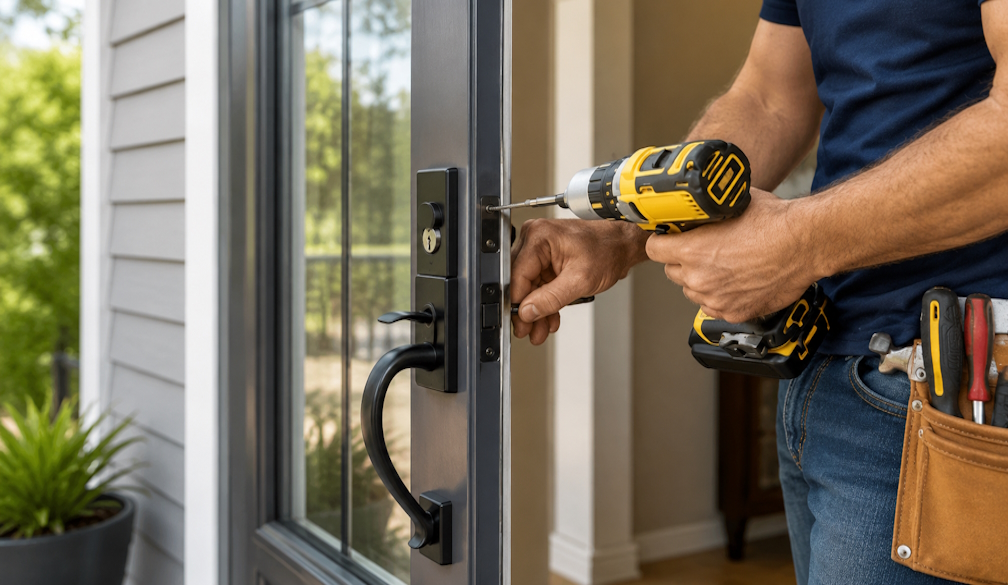
Most homeowners don't think about their security door until something goes wrong. The hinge starts squeaking. The door drags along the frame. The lock feels loose. By that point, what was once a solid layer of protection may have quietly become one of the weaker points in your home.
Understanding how long security doors actually last, and knowing the signs that yours is past its best, can save you from a false sense of security that's costing you nothing until, suddenly, it costs you everything.
Why Your Front Door Matters More Than You Think
Before we get into lifespans and replacement timelines, it's worth understanding what's actually at stake.
According to data compiled by security researchers, 34% of burglars enter through the front door, making it the single most common entry point in residential break-ins, ahead of first-floor windows (23%) and back doors (22%). And approximately 62% of all burglaries involve some form of forced entry.
That means a door that looks fine from the outside, but has a compromised frame, ageing mesh, or a worn lock, isn't doing the job you think it is.
A quality security door, properly installed and maintained, is one of the most straightforward things you can do to reduce your home's vulnerability. But it only works if it's actually in good shape.
How Long Do Security Doors Typically Last?
The honest answer depends heavily on what the door is made from, how it's been installed, and the conditions it's been exposed to over the years.
As a general guide:
Steel security doors are among the most durable options available. With proper care and installation, a quality Inner West Sydney security door can last anywhere from 30 to 100 years. On the lower end, that accounts for doors in harsher environments with heavy use and minimal maintenance. On the upper end, well-maintained steel doors in protected conditions can genuinely go the distance.
Aluminium security screens typically sit in the 20–30 year range when properly maintained. Material choice, aluminium versus steel, powder-coated versus untreated, is one of the biggest factors in determining whether a security door lasts 10 years or 30. Cheaper materials may show problems within the first decade, while marine-grade mesh on solid frames can hold up for a generation.
The installation matters as much as the product. A premium security door fitted incorrectly, hinges misaligned, frame not sitting true, mesh not properly tensioned, will underperform from day one and fail sooner than it should. Professional installation to Australian Standards (AS5039-2008) isn't a nice-to-have; it's what the door needs to actually function as advertised.
The takeaway: a well-chosen, properly installed security door is a long-term investment. But longevity isn't automatic, it comes from the right product, the right installation, and consistent upkeep.
The Signs It's Time to Replace Your Security Door
A security door showing any of the following signs deserves a careful look. Some issues can be repaired; others mean the door has reached the end of its useful life.
Rust and corrosion
Surface rust on a steel door isn't always cause for alarm, it can often be treated with rust-proof primer and repainted. But rust that has worked its way into the frame, hinges, or lock mechanism is a different matter. Once corrosion compromises the structural integrity of the metal, the door can develop weak points that significantly reduce its resistance to forced entry. Coastal and high-humidity environments accelerate this process considerably.
If you can see orange-brown staining running from hinges or hardware, probe the area gently, if the metal feels soft or flaky beneath the surface, replacement is likely the right call.
Damaged or sagging hinges
Damaged hinges can cause a door to hang unevenly, making it difficult to latch securely and creating visible gaps between the door and frame. A door that doesn't sit squarely in its frame can be forced open far more easily, and a gap at the hinge side is an invitation to lever attacks. Hinge replacement alone can sometimes fix the problem, but if the frame around the hinge has also deteriorated, you're looking at a broader replacement job.
Mesh that's been cut, torn, or stretched
If your security screen door has a mesh panel, inspect it closely and regularly. A cut, tear, or area of visible stretching isn't just an eyesore, it's a direct point of weakness. Security mesh is specifically designed to resist cutting attacks, but once it's been compromised, that protection is gone. Mesh re-wiring is possible with some doors, but it's worth getting a professional assessment to confirm whether repair or full replacement is the better option.
A lock that sticks, wobbles, or doesn't engage cleanly
Your lock is the last line of defence on any door. A lock that has become difficult to operate, feels loose in the barrel, or doesn't engage with a firm, clean click needs attention immediately. Worn internal components, accumulated grime, and corrosion inside the mechanism can all cause a lock to fail at the worst possible moment. Lock replacement is usually straightforward, but if the surrounding door hardware is also ageing, it may be worth replacing the door as a whole.
A door that no longer closes properly
A security door that sticks, drags, or requires effort to pull shut isn't just inconvenient, it's a symptom. Doors fall out of alignment when frames move (which happens naturally as houses settle over time), when hinges wear, or when the door itself has warped. A door that doesn't close flush can't lock securely, and a door that can't lock securely isn't a security door in any meaningful sense.
The door is approaching, or past, 20 years old
Age alone isn't a reason to replace a door that's in good condition. But if your security door is pushing 20 years or more and showing multiple signs of wear, replacement is often more cost-effective than ongoing repairs.
Beyond the practical consideration, modern security doors also offer significantly improved materials, locking systems, and designs compared to what was available two decades ago. An upgrade isn't just about replacing what's failing, it's about accessing better protection than your original door could offer.
How to Make Your Security Door Last Longer
If your door is in reasonable condition, a little regular attention goes a long way.
Clean it a few times a year, particularly in coastal or dusty environments where salt air and grime accumulate. Lubricate hinges and lock mechanisms annually, a dry hinge wears faster and squeaks its way toward failure. Check the mesh (if applicable) after any significant impact. And keep an eye on the door frame: a deteriorating frame can compromise even a door in excellent condition.
Most quality security doors come with a manufacturer's warranty, often covering 10 years or more for the door and installation. Keep those documents somewhere accessible. If something goes wrong within the warranty period, you should be using it.
The Bottom Line
A security door earns its keep quietly, year after year, by being there and being solid. When it starts showing signs of age or damage, rust creeping into the hinges, a lock that doesn't feel right, mesh that's been compromised, a frame that's shifted, those are signals worth taking seriously.
Given that the front door is the entry point in more than a third of all residential break-ins, what's standing between your home and the outside world deserves more than a once-a-decade glance.
A door that's done its time deserves a proper replacement, and a new door, properly chosen and installed, is one of the most practical investments in home security you can make.
If you’re seeking advice on the best security doors and solutions to protect your home, consult an experienced Sydney home security solutions provider.










