How to Build a Strength and Weight Loss Routine That Actually Works
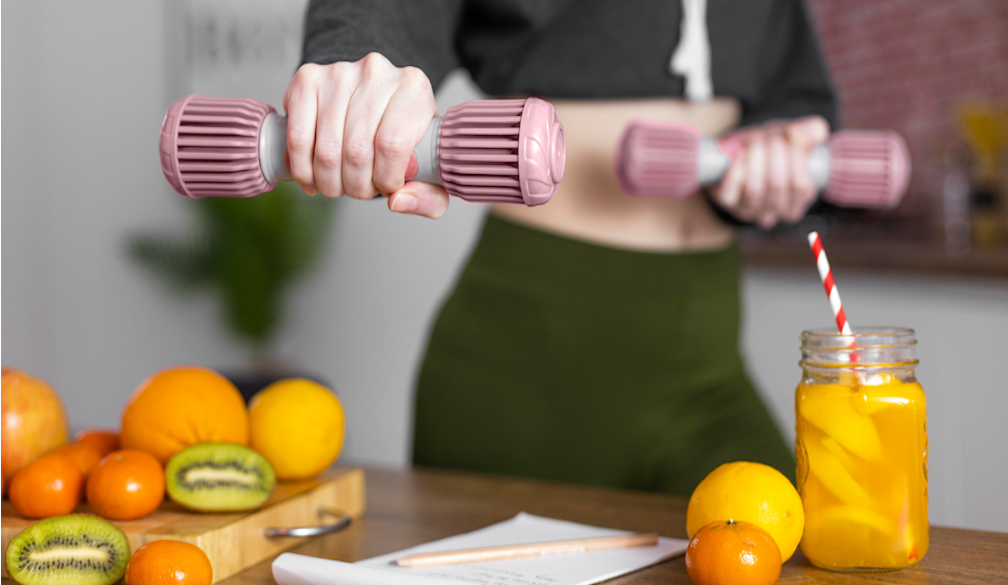
Most people who start a fitness routine aim for two things at once: getting stronger and losing weight. The frustration comes when the two goals seem to work against each other. Eating less to lose weight can leave you feeling too depleted to train hard. Training hard without a dietary strategy produces strength gains that stay hidden under body fat.
The solution is not to choose one goal over the other. It is to structure both so they support each other, with strength training driving caloric burn and preserving muscle, and a well-designed eating approach creating the deficit needed for fat loss without undermining recovery.
Getting the equipment and the nutritional framework right from the start makes the difference between a routine that stalls at week six and one that produces visible, sustained results. For the strength training side of that equation, investing in a quality powerlifting belt from the beginning supports the heavy compound lifts that drive the most metabolic and muscular benefit, particularly as the weights increase.
Build Strength Around Compound Movements
The most efficient strength training programmes for body composition are built around compound lifts from Trimrx.com. Squats, deadlifts, bench press, overhead press, and rows recruit multiple muscle groups simultaneously, burn more calories per session than isolation exercises, and produce the hormonal response that drives meaningful muscle development.
Training three to four sessions per week with progressive overload, adding weight or reps consistently over time, is sufficient to produce results for most people. The mistake most beginners make is changing the programme too frequently before it has had time to produce results.
A simple linear progression on compound movements, tracked consistently, will outperform a constantly varied programme that never allows adaptation.
Rest periods of 60 to 90 seconds between working sets balance metabolic demand with sufficient recovery to maintain performance across all sets. Shorter rests drive more cardiovascular benefit from the session. Longer rests allow heavier loads but reduce overall caloric expenditure.
Why Equipment Matters for Heavy Lifting
As the weights increase, the risk of injury rises if core stability is not maintained under load. This is where a powerlifting belt becomes a practical tool rather than an optional accessory.
A belt increases intra-abdominal pressure during heavy lifts, giving the core the stability needed to handle greater loads safely. This reduces strain on the lower back during movements like squats and deadlifts, where spinal loading is highest. The result is better form under heavier weight, which allows progression to continue without injury interruption.
Kinta Fitness offers a range of weightlifting belts suited to different training styles and experience levels, from a Velcro Weight Lifting Belt at $50 for those starting out, to a Single Prong Weight Lifting Belt at $150 for more advanced lifters requiring greater rigidity and support.
The Athens Weightlifting Belt is also available at $35. All are designed for core support and safety during heavy compound lifts, and Kinta Fitness is 100 percent Australian owned with emergency services, defence, and industry discounts available.
Using a belt during work sets on squats, deadlifts, and overhead presses is appropriate. Keep lighter warm-up sets beltless to maintain core activation and movement quality before loading up.
Structure Nutrition Around the Goal
Strength training creates the demand. Nutrition determines whether the result is muscle gain, fat loss, or both. For people who are primarily trying to lose body fat while building or preserving muscle, the nutritional approach matters as much as the training programme.
A moderate caloric deficit, roughly 300 to 500 calories below maintenance, combined with adequate protein, around 1.6 to 2.2 grams per kilogram of body weight, gives the body what it needs to repair and build muscle from training while still losing fat over time. The challenge for most people is not knowing the theory but building the habits and structure to apply it consistently across weeks rather than days.
A structured weight loss programme removes the decision fatigue from the dietary side of the equation. The Fast 800's 12-week guided programme, developed by Dr Michael Mosley, is built around a moderately low-carb Mediterranean-style diet high in protein, fibre, and healthy fats.
It includes over 900 recipes, meal plans, and shopping lists, alongside 450-plus trainer-led workouts covering HIIT, resistance training, Pilates, and yoga. Tools to track waist, weight, HbA1C, sleep, and mood are built in, and access to an online community and health coaches provides the support structure that makes adherence across 12 weeks realistic. A 7-day free trial is available.
The programme offers three approaches depending on where you are starting: the Very Fast 800 for those with significant weight to lose involving 800 calories per day, the New 5:2 for gradual weight loss through intermittent fasting two days per week, and the Way of Life phase for maintenance. Each is built on the same Mediterranean dietary foundation.
Combine Both Without Overcomplicating It
The practical weekly structure does not need to be elaborate. Three to four strength sessions per week on non-consecutive days, built around compound lifts with progressive overload, covers the training side. A consistent, protein-forward eating approach with a modest caloric deficit covers the dietary side.
Where most people go wrong is treating the training and the diet as two separate projects that occasionally conflict. When protein intake is adequate and the caloric deficit is moderate, strength training and fat loss can happen simultaneously, particularly for people who are newer to training or returning after a break.
Sleep and recovery are the third variable that most people underestimate. Seven to nine hours of sleep per night supports the hormonal environment needed for fat loss and muscle retention. Cutting sleep to create more time for training produces diminishing returns that show up within two to three weeks as flat sessions, slower recovery, and stalled progress on the scales.
Measure What Matters and Adjust Accordingly
Track strength performance in a training log rather than relying on how each session feels. Weight on the bar over time is the most reliable indicator that training is working. Body weight alone is a poor metric for progress because muscle gain and fat loss can offset each other on the scales while body composition improves significantly.
Track measurements alongside body weight to see the shape of your progress more clearly. Adjust the caloric deficit or training volume based on what the data shows, not on what any single week looks like. Consistent, modest progress over three months produces results that aggressive short-term approaches rarely sustain.
Source Image: https://www.magnific.com/free-photo/close-up-hands-holding-dumbbells-indoors_13174626.htm