Understanding the Growing Importance of Youth Sports in American Education
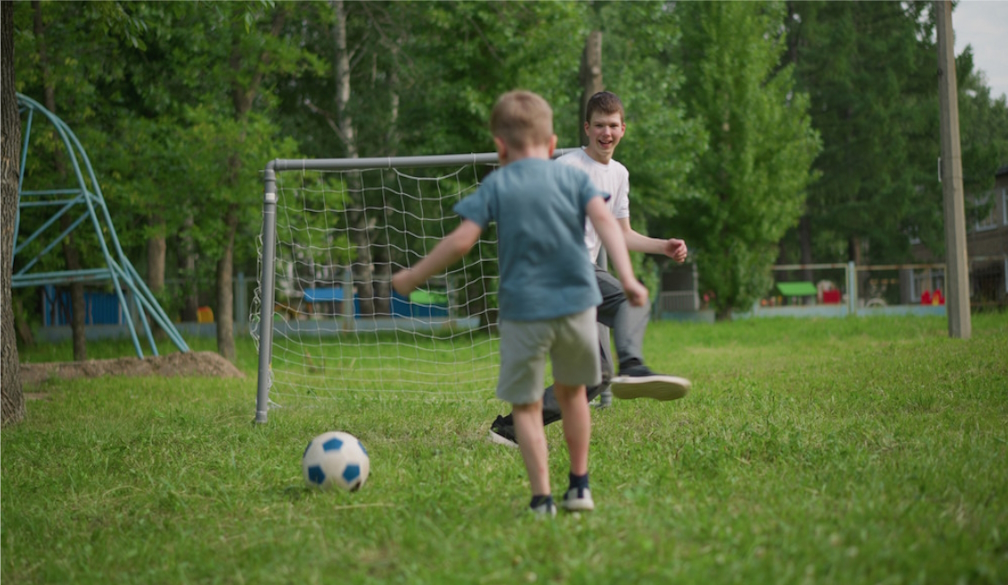
Youth sports have long been an important part of the American educational experience. For many students, athletics provide far more than physical activity—they create opportunities to build confidence, learn teamwork, and develop leadership skills that extend beyond the classroom. Schools across the country increasingly recognize that sports programs contribute to both personal growth and academic success.
As participation in youth athletics continues to expand, educational institutions are playing a larger role in shaping these opportunities. From offering a variety of sports to encouraging healthy competition, schools help provide structure and access for young athletes. Understanding how youth sports intersect with education can reveal why these programs remain such a vital component of student life in the United States.
Youth Sports Participation Across the United States
The popularity of youth sports highlights how central athletics have become in American childhood. Millions of families across the country enroll their children in organized leagues, school teams, and recreational programs every year. These activities encourage physical fitness while also helping children build social connections and discipline.
Data from Jersey Watch illustrates just how widespread participation has become. The organization reports that roughly 60 million children in the United States are registered to participate in youth sports, demonstrating the enormous scale of organized athletics among young people. This high level of engagement reflects a strong cultural emphasis on sports as a valuable part of growing up.
For students, participating in sports can also support academic development. Many studies suggest that student-athletes often develop time-management skills, improved focus, and a stronger sense of accountability. These traits can positively influence classroom performance while helping students learn how to balance multiple responsibilities.
How Schools Expand Athletic Opportunities
Educational institutions play a major role in making sports accessible to students. While community leagues and private organizations offer opportunities, schools often provide the most structured and consistent programs. Many institutions invest significant resources into athletics, recognizing the positive effects sports can have on student development.
Private schools, in particular, often emphasize diverse athletic offerings. According to Private School Review, private schools in the United States offered an average of seven different sports programs in 2022. This variety allows students to explore different activities, whether they prefer traditional team sports like basketball and soccer or individual sports such as tennis or track.
Providing multiple sports options can also increase participation rates. When students have access to a wider range of activities, they are more likely to find something that matches their interests and abilities. This diversity encourages inclusivity and ensures that athletics remain accessible to students with varying skill levels and preferences.
The Role of Private Schools in Student Athletics
Private schools represent an important part of the broader educational landscape in the United States. Their athletic programs contribute significantly to the opportunities available for student-athletes nationwide. These schools often invest in facilities, coaching staff, and competitive teams that allow students to fully engage in sports.
Research from CAPE shows that private schools make up 25% of all schools in the country while educating about 10 percent of students from pre-kindergarten through 12th grade. Despite representing a smaller portion of the student population, these institutions still play a meaningful role in shaping youth sports opportunities.
Because many private schools prioritize extracurricular programs, athletics frequently become a central part of the school culture. Students may benefit from smaller team sizes, individualized coaching, and competitive environments that help them refine their athletic skills. At the same time, private school sports programs often emphasize character development and teamwork alongside performance.
The Lasting Value of School-Based Athletics
The growing prominence of youth sports within education reflects a broader understanding of how athletics support student development. Participation in sports teaches lessons that extend well beyond the playing field, including perseverance, communication, and leadership. These qualities can benefit students throughout their academic journeys and later in their professional lives.
As millions of children continue to participate in organized sports and schools expand their athletic programs, youth athletics will likely remain an essential part of American education. By providing structured opportunities for physical activity and personal growth, schools help ensure that sports continue to play a meaningful role in shaping the next generation.