How to Find the Best Breast Implant Surgeons in Thailand
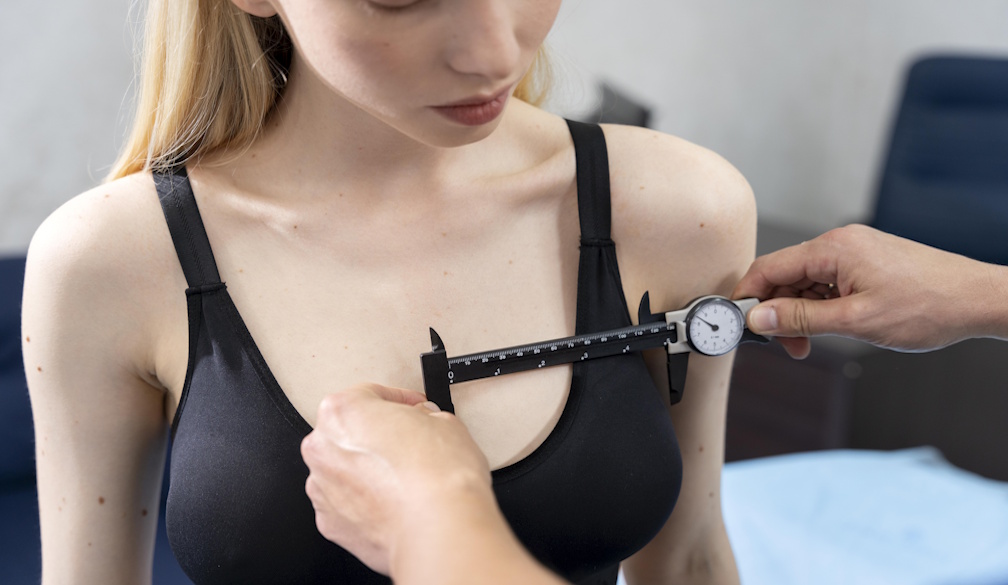
When you’re thinking about breast implants, it’s natural to focus on the “after” photo—the shape, the size, the confidence boost. But the real foundation of a great outcome is the decision you make before surgery: choosing the right surgeon and the right facility.
The “best” surgeon isn’t simply the most famous or the cheapest. The best surgeon for you is the one who combines proven training, extensive breast augmentation experience, strong safety systems, and a communication style that makes you feel informed and supported.
Start with your goals and your non-negotiables
Before you compare clinics, get clear on what you want. When you can describe your goal, it becomes much easier to spot surgeons who understand your aesthetic and who can tell you honestly what’s achievable for your body.
Think through:
- Your ideal look: natural and subtle, rounder and fuller, or something in between
- Your lifestyle: exercise habits, job demands, lifting requirements, how much downtime you can realistically take
- Your comfort level with risk: every choice (size, placement, combined procedures) affects recovery and complication risk
- Your budget: not just surgery day, but your hotel, follow-ups, and a buffer for unexpected needs
If you’re specifically exploring breast augmentation Thailand, defining these basics first will save you time and help you avoid getting swayed by sales language.
Know the basics of breast implant surgery (so you can evaluate advice)
You don’t need to become a medical expert, but understanding the major choices helps you judge whether a surgeon is tailoring recommendations to you—or pushing a one-size-fits-all plan.
Implant fill
- Silicone gel often feels more natural for many people.
- Saline can be appropriate in some cases, though it may feel less natural depending on your tissue.
Implant shape and profile
- Round implants are common and can create a fuller upper pole.
- Anatomical (teardrop) implants aim for a more tapered shape, but aren’t necessary for everyone.
- Profile (low/medium/high) affects how far the breast projects forward.
Placement
- Under the muscle can reduce visible rippling in some people and may affect long-term positioning.
- Over the muscle can mean a shorter recovery for certain candidates, but requires adequate natural tissue coverage.
Incision
Common options include under the breast crease (inframammary), around the areola (periareolar), or through the armpit (transaxillary). Each has trade-offs regarding scar placement, access, and technique.
When a surgeon explains these options clearly—and connects them to your measurements and goals—that’s a strong sign you’re in good hands.
What “best surgeon” really means
A great breast implant surgeon brings together three things:
- Skill and specialized training in aesthetic breast surgery
- A consistent aesthetic eye (their results look reliably “good,” not occasionally great)
- Strong ethics and communication—they prioritize your safety, not a quick sale
You should feel that your surgeon is building a plan around your body, not around a preset package.
Credentials and verification: how to check what’s real
Credentials matter, but they can also be confusing—especially online. Your goal is to verify training, licensing, and professional standing, rather than relying on vague titles.
Look for:
- Formal training in plastic/reconstructive or aesthetic surgery
- Hospital privileges (often a signal that a surgeon meets certain standards)
- Professional society memberships (useful, but not a guarantee of skill)
A trustworthy clinic will help you verify these details without acting defensive or evasive.
Experience that predicts better outcomes
When you’re looking for the best breast implant surgeon, ask about experience in ways that actually relate to results.
You want to know:
- How often they perform breast augmentation (case volume matters)
- Whether they regularly treat patients with your body type and your desired style
- How they handle revisions and complications (a surgeon with revision experience can be better equipped to prevent problems)
Before-and-after photos can help, but evaluate them carefully. Look for consistency across many patients and similar starting points—not just one or two “perfect” examples.
Clinic and hospital standards: where safety is built
Even the best surgeon needs a safe environment. A high-quality surgical setting should have strong infection control, proper sterilization, and a trained anesthesia team.
Pay attention to:
- Where the surgery is performed (hospital vs dedicated surgical center)
- Who provides anesthesia and how you’re monitored during surgery
- Emergency preparedness (clear protocols, proper equipment, escalation plans)
A clinic that avoids these topics or gives vague answers isn’t one you want operating on you.
Your consultation: questions that help you compare surgeons
Consultations are where you find out if a surgeon is truly “best for you.” You’re looking for clarity, transparency, and a plan that feels customized.
Ask about:
- Implant brands offered and why they recommend them
- Sizing approach (measurements, sizers, and sometimes imaging tools)
- Placement and incision choice for your anatomy and goal
- Capsular contracture prevention strategies (what they do before, during, and after surgery)
- Follow-up schedule and who you contact if you’re worried
- Revision policy and what is included vs billed separately
You’re not looking for perfection—you’re looking for a surgeon who speaks honestly and treats your safety as a priority.
Red flags to avoid
Some warning signs are subtle, but they matter. If you see any of these, slow down and consider other options:
- You’re pushed into a “limited-time discount” or rushed into booking
- The consult feels like a sales pitch rather than a medical evaluation
- The clinic is unclear about anesthesia, monitoring, or complication management
- Your medical history is barely discussed
- You’re promised “no scars” or “guaranteed results”
The safest clinics don’t need pressure tactics.
Costs in Thailand: how to compare quotes fairly
Cost is important, but comparing prices only works if you’re comparing the same level of care. A quote may or may not include anesthesia, facility fees, implants, garments, medications, and follow-ups.
When reviewing pricing, ask for a written breakdown and confirm:
- What implant brand and warranty are included
- Whether follow-up visits and post-op support are included
- What happens financially if you need extra monitoring or treatment
Cheapest is rarely best if it compromises safety systems or aftercare.
Travel planning: your timeline matters more than you think
If you’re traveling, your schedule becomes part of your medical plan. One of the most common mistakes is not staying long enough after surgery for proper early follow-up.
A safer travel plan usually includes:
- Enough time in Thailand for post-op checks before flying
- A plan to reduce clot risk (movement, hydration, compression, and surgeon guidance)
- Comfortable recovery logistics (hotel proximity, transport, support person if possible)
If you’re committed to breast augmentation Thailand, plan your trip around recovery—not around sightseeing.
Aftercare and long-term maintenance
Your results aren’t only made in the operating room. They’re also shaped by how you heal. You’ll want clear instructions on wound care, activity limits, sleeping position, and bra/garment use.
Long-term, you should understand:
- What changes are normal as implants settle
- Warning signs that require medical attention
- How to monitor implant health over time (imaging guidance may vary by individual factors)
- The reality that some people will eventually need revision surgery
A surgeon who discusses long-term expectations is often a surgeon who plans responsibly.
Step-by-step: a smart way to choose your surgeon
If you want a practical process, use this sequence:
- Shortlist a few surgeons based on verified training, facility quality, and consistent results
- Verify credentials and ask direct questions about anesthesia and safety systems
- Consult with at least two providers so you can compare recommendations
- Compare their plans: implant choice, placement, incision, recovery, follow-up, and revision policy
- Decide based on safety, fit, transparency, and trust—not pressure or price
When your surgeon’s plan makes sense for your body and lifestyle—and you feel listened to—you’re much more likely to feel confident moving forward.
Conclusion: your best outcome comes from a careful process
Finding the best breast implant surgeon in Thailand is absolutely possible, but it requires a methodical approach. You’re not just choosing a doctor—you’re choosing a team, a facility, a recovery plan, and a long-term support system.
If you focus on verified credentials, strong anesthesia and facility standards, consistent results, and a clear follow-up plan, you put yourself in the best position for a safer procedure and results you’ll enjoy for years.