The Federal Budget: Pauline Hanson Responds
- Written by: The Times
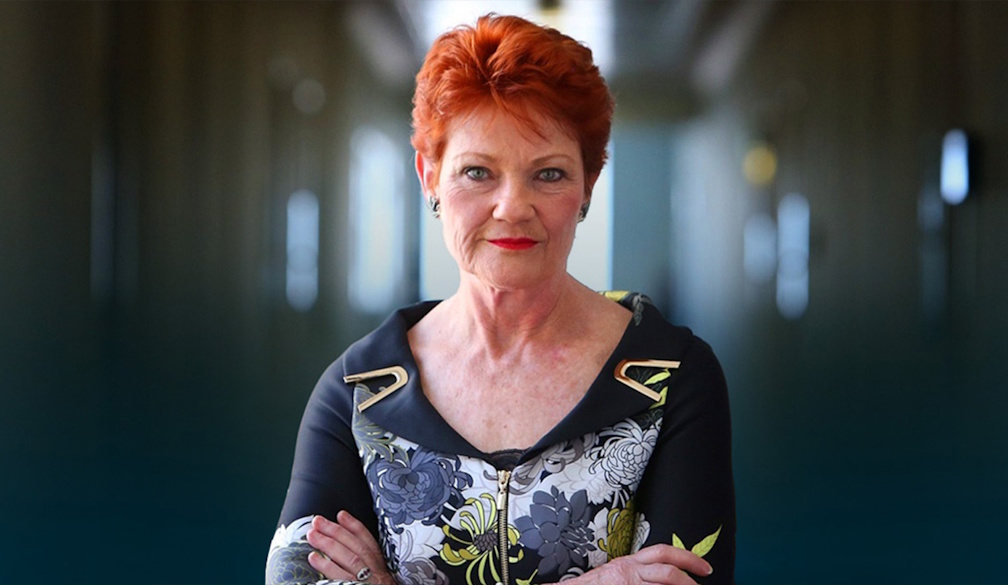
One Nation leader Pauline Hanson has delivered a fierce response to the federal budget, accusing the Labor government of attacking aspiration, punishing Australians who have worked hard to build wealth and failing to address what she describes as the real pressures facing ordinary Australians.
In media appearances following Tuesday night’s budget, Hanson criticised the government’s changes to negative gearing and capital gains tax arrangements, arguing the reforms would undermine confidence in property investment and damage long-term housing supply.
The veteran Queensland senator described the budget as ideological rather than practical, warning that many Australians were already struggling under rising living costs, high fuel prices and increasing household expenses.
“This is not the time to punish people who have worked hard and invested wisely,” Hanson said during budget commentary.
Her response was among the strongest attacks from the Senate crossbench and reflects One Nation’s continuing strategy of positioning itself as a defender of middle Australia, regional communities, small business owners and asset holders.
“An Assault On Aspiration”
Hanson argued the government was sending a dangerous message to Australians who had spent decades attempting to achieve financial security through property ownership and investment.
She claimed many Australians were not wealthy elites but ordinary workers and small business operators attempting to secure their retirement through investment properties.
According to Hanson, the budget risks discouraging investment at a time when Australia already faces severe housing shortages.
She warned that reduced investor confidence could ultimately worsen rental affordability by reducing the supply of private rental housing.
The One Nation leader also questioned whether younger Australians would genuinely benefit from the reforms.
Instead, she argued deeper structural issues — including migration levels, infrastructure strain and construction costs — were driving housing pressures.
Cost Of Living Still Dominates
Like several other crossbench figures, Hanson repeatedly returned to cost-of-living pressures in her criticism of the budget.
She argued Australians remain deeply concerned about:
- grocery prices
- electricity bills
- rent increases
- insurance premiums
- and fuel costs.
While the government promoted targeted relief measures and modest tax offsets, Hanson said many households would see little meaningful improvement in their day-to-day financial situation.
“People can’t keep absorbing higher prices forever,” she warned.
The senator also criticised what she described as continued government spending expansion during a period of inflationary pressure.
Migration And Infrastructure Pressure
Hanson again linked Australia’s housing crisis to migration policy, arguing infrastructure and housing construction had failed to keep pace with population growth.
She said the government could not solve affordability issues solely through taxation changes while population growth continued placing pressure on housing availability, roads, schools and hospitals.
Migration remains one of the defining policy positions for One Nation and continues resonating strongly with sections of regional and outer suburban Australia.
Defence Of Regional Australia
The Queensland senator also accused Canberra of becoming disconnected from regional Australia.
She argued people outside major metropolitan centres often feel ignored in national economic planning despite carrying much of the burden associated with rising fuel prices, transport costs and declining service access.
Hanson claimed regional Australians increasingly believe governments focus too heavily on inner-city political priorities while neglecting the realities faced by agricultural communities, tradespeople and small business operators.
Political Momentum For One Nation
Hanson’s strong budget response comes at a time when One Nation is enjoying renewed political momentum following the party’s breakthrough victory in the Farrer by-election.
The result has intensified discussion about whether a growing number of Australians are shifting away from the major parties in search of more direct and populist political representation.
One Nation has increasingly focused on:
- housing affordability
- migration
- fuel costs
- government spending
- and concerns about declining living standards.
These issues are now becoming central to broader national political debate.
A Budget That Will Divide Australia
Hanson argued the federal budget would deepen political division because it touches directly on property ownership, wealth accumulation and financial aspiration — issues Australians feel deeply about.
Supporters of the government’s reforms argue Australia’s tax system needed major restructuring to improve fairness and help younger generations enter the property market.
Critics like Hanson believe the government is undermining confidence in investment and penalising people who followed the rules under previous economic settings.
That debate is now likely to dominate Australian politics for months.
For Pauline Hanson, the budget has provided another opportunity to position herself as a voice for Australians who feel economically anxious, politically unheard and increasingly sceptical about the direction of the country.