Why Albanese Is Recalling Both Houses of Parliament: A Turning Point in Australia’s Response to Extremism and Gun Violence
- Written by: The Times
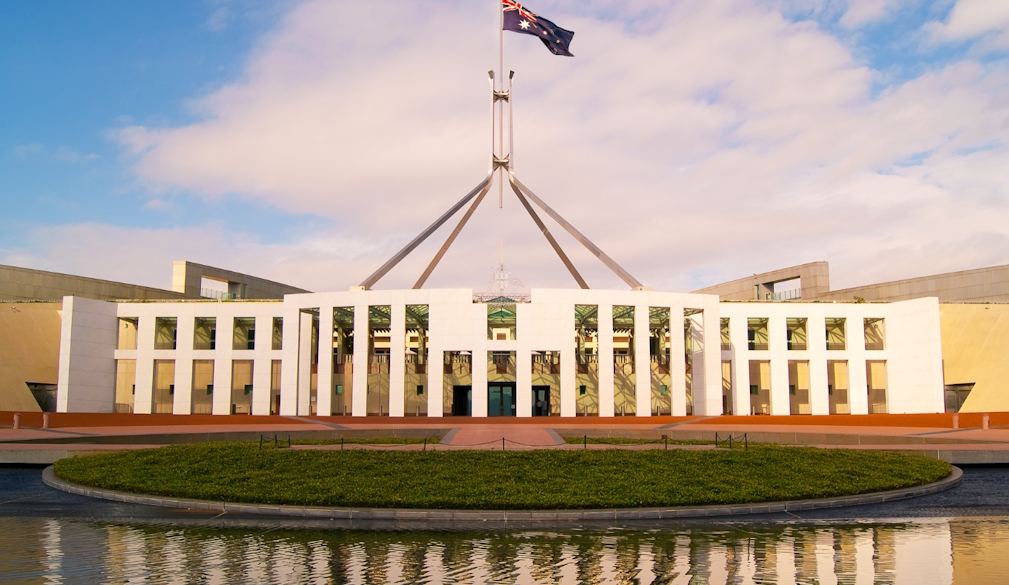
Australia’s political calendar has been jolted this week as Prime Minister Anthony Albanese announced the early recall of both the House of Representatives and the Senate — sitting two weeks ahead of the scheduled return after the summer break. The move comes in the wake of one of the most shocking and consequential events in recent Australian history: the Bondi Beach terror attack, which claimed the lives of 15 people at a Hanukkah celebration in Sydney in December 2025.
The recall, set for 19–20 January 2026, is aimed at fast-tracking a sweeping legislative agenda that combines tougher hate speech laws, expanded national gun reforms and broader national security measures. It marks a rare moment when both houses of federal parliament will sit outside the normal sitting calendar to address urgent national concerns.
A Direct Response to a National Trauma
The catalyst for the recall is clear: the Bondi terror attack, which federal authorities have classified as an antisemitic and extremist act, prompted an intense national debate about public safety, social cohesion and how best to protect all Australians from hate-fueled violence. The death toll — the highest in a mass shooting in almost three decades — intensified calls for reform from communities across the country.
Prime Minister Albanese has framed the legislative push as a bipartisan imperative, emphasizing that the attack exposed vulnerabilities not just in law enforcement but in the legal framework governing hate speech, violent extremism and gun ownership. At a press conference announcing the recall, he said simply: “The terrorists at Bondi Beach had hatred in their minds but guns in their hands. This law will deal with both.”The Legislative Agenda: What Parliament Will Debate
At the heart of the early sitting is a comprehensive legislative package, officially dubbed the Combatting Antisemitism, Hate and Extremism Bill 2026. Key elements of the proposed legislation include:
-
Tougher hate speech and anti-vilification laws — including new offences for organized “hate preachers,” expanded definitions of prohibited symbols and harsher sentences for crimes motivated by hatred.
-
A framework to list and criminalize membership or support of “Prohibited Hate Groups” — lowering the bar so extremist organisations that stop short of directly inciting violence can still be sanctioned.
-
New powers for the Home Affairs Minister to refuse or cancel visas of individuals seen as spreading hatred, as well as mechanisms to disrupt extremist recruitment and radicalisation.
-
A landmark national gun buyback scheme, intended to take more weapons off Australian streets and tighten licensing processes. This is being touted as the largest gun buyback program since reforms enacted after the Port Arthur massacre in 1996.
-
Enhanced sentencing provisions so that crimes with an extremist motivation carry stiffer penalties.
The first order of business when parliament resumes will be a condolence motion to honour the victims of the Bondi attack, agreed in advance with the opposition.
Why the Urgency?
Under Australia’s parliamentary schedule, the next sitting was not due until early February 2026. Recalling both houses weeks early to deal with this legislation signals the government’s belief that the issue transcends normal political timetables.
Albanese’s office has emphasised that the recall is primarily about public safety and national unity, not partisan advantage. Officials also point out that hard-won bipartisan agreement was reached on the wording of the condolence motion — a rare sign of cooperation in an often fractious Canberra environment.
The legislative package will also be referred to the Parliamentary Joint Committee on Intelligence and Security for focused scrutiny before being debated by both chambers.Political Debate and Crossbench Concerns
While many political leaders have expressed support for tougher laws in principle, the recall and the way the legislative package has been constructed have attracted criticism.
The Liberal–National Coalition, for example, has voiced unease not with the intention of the reforms but with the government’s choice to bundle hate speech and gun law reforms into a single omnibus bill. Shadow ministers have argued that these are distinct policy areas requiring separate debate and scrutiny — and have suggested that rushing them together could risk legal or constitutional complications.
Some conservative crossbench MPs have raised concerns about civil liberties and freedom of expression. Others have questioned whether the government has fully considered the impact of new visa powers and broad criteria for listing prohibited organisations.
At the same time, community representatives — particularly from Jewish and multicultural organisations — have been advocating for stronger protections against hate speech and extremist rhetoric, seeing parliamentary action as long overdue.
A Broader Context: National Security and Social Cohesion
The recall also ties into wider efforts by the Albanese government to address extremism and strengthen social cohesion. In early January, a Royal Commission on Antisemitism and Social Cohesion was established, headed by former High Court justice Virginia Bell, to examine the underlying causes of rising hate and what steps Australia must take as a whole to counter it.
This inquiry complements the immediate legislative push, reflecting a dual strategy of short-term legal reforms and long-term national reflection.
What Happens Next?
The parliament is scheduled to sit for two days — 19 and 20 January 2026 — with the government bullish that the legislation can pass through both houses swiftly. Albanese has said he hopes for bipartisan backing, and early indications suggest that at least some Coalition senators may support aspects of the bill.
For Labor, delivering these reforms will be a test of leadership and a measure of public confidence in the government’s ability to respond decisively to extremist violence. For the opposition, it will be a balancing act between supporting measures that address genuine community safety concerns and scrutinising the scope and pace of the government’s proposals.
For Australians generally, the recall of parliament underscores how a single event can reshape the national agenda — bringing forward issues of security, identity, and civic values to the forefront of federal politics.In summary: Albanese’s decision to recall both houses of Parliament is rooted in urgent legislative priorities in the wake of a devastating terrorist attack. It reflects a rare moment of national reckoning — one that combines immediate security measures with broader societal reforms aimed at curbing hate, strengthening law enforcement and redefining the legal boundaries of expression and public safety.