“More Choice” Or Fewer Choices? Australia’s New Vehicle Emission Rules
- Written by: The Times
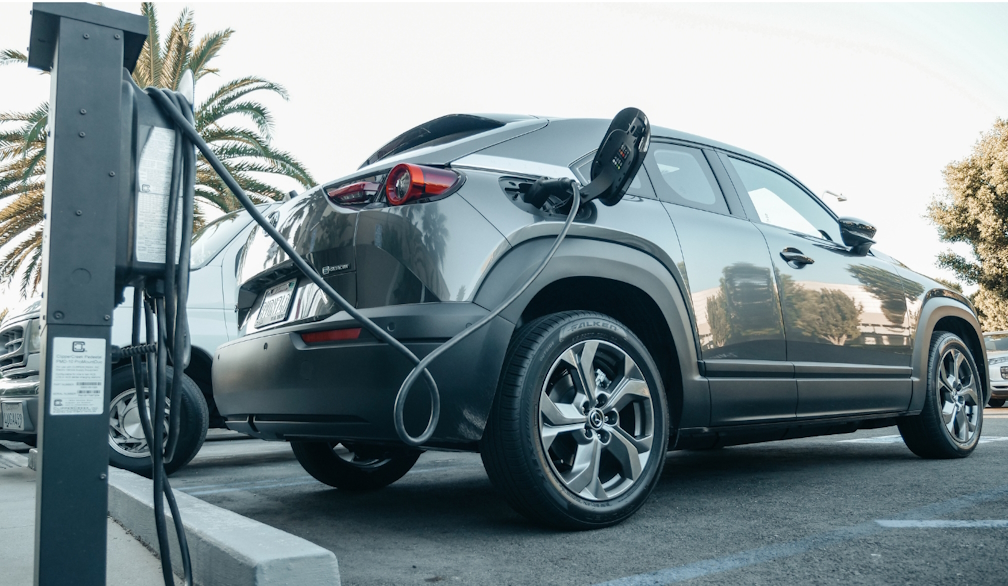
The Changing Face Of Motoring
When the Federal Government announced Australia’s new fuel efficiency and vehicle emission standards, the message was optimistic and carefully crafted.
Australians, it was said, would enjoy “more choice” in the vehicle market. Cleaner technology would arrive faster. Fuel costs would decline over time. Car buyers would gain access to the kinds of efficient vehicles already common in Europe and parts of Asia.
But among motoring enthusiasts, regional Australians and long-time motorists, a different interpretation quickly emerged.
Does “more choice” really mean more electric vehicles?
For many Australians, the answer increasingly appears to be yes.
The modern Australian car market is changing rapidly and, in some areas, irreversibly. Large naturally aspirated V8 engines are disappearing. Petrol-powered six-cylinder family sedans have almost vanished. Diesel turbo engines now dominate segments once ruled by smooth petrol motors. Hybrid drivetrains are everywhere. Chinese electric vehicles are entering the market at aggressive price points.
And perhaps most tellingly of all, older petrol-powered vehicles are becoming more desirable than ever.
Australia’s new vehicle efficiency framework effectively pushes manufacturers toward lower fleet-wide carbon dioxide emissions. Manufacturers exceeding targets face penalties, while those selling cleaner vehicles gain advantages.
In practical terms, this creates enormous pressure on car makers to prioritise electric vehicles, hybrids and smaller turbocharged engines.
The era of the traditional Australian performance car is fading quickly.
There was a time when the Australian dream garage featured a V8-powered Holden Commodore SS, Ford Falcon XR8 or a powerful Toyota LandCruiser V8 diesel capable of towing almost anything across the continent.
Today those vehicles are either discontinued, heavily restricted or replaced by downsized turbocharged alternatives.
The Holden Commodore itself is gone.
Ford Australia no longer sells the Falcon.
Even the mighty V8 LandCruiser 70 Series faces increasing pressure under tightening emissions expectations.
Manufacturers now focus heavily on smaller engines producing higher outputs through turbocharging and hybrid assistance.
Modern four-cylinder turbo engines can produce impressive power. Some outperform older V6 engines while using significantly less fuel. On paper, the technology makes sense.
But motoring has never been purely about numbers on a specification sheet.
Drivers often speak emotionally about engine sound, throttle response, torque delivery and reliability. A naturally aspirated V8 delivers a driving experience that many enthusiasts believe smaller turbocharged engines cannot replicate.
The sound alone is part of Australian motoring culture.
That culture is changing.
Diesel engines have also undergone a dramatic transformation.
For years, Australians embraced diesel-powered utes and SUVs because of their towing capacity, fuel economy and long-range touring capability. Vehicles such as the Toyota Hilux, Ford Ranger and Isuzu D-Max became dominant not only in rural Australia but increasingly in suburban driveways.
Yet even diesel technology is now under pressure.
Modern diesel engines require increasingly complex emissions systems including diesel particulate filters and AdBlue injection systems. While these technologies reduce harmful emissions, they also add cost, complexity and maintenance concerns.
Some motorists argue that modern diesel engines are no longer as simple or durable as older generations.
As a result, many Australians are holding onto older vehicles longer than ever before.
The used vehicle market remains extraordinarily strong compared with historical norms. Older V8s, naturally aspirated six-cylinder vehicles and pre-emissions diesel engines often command surprisingly high prices.
A well-maintained older Toyota LandCruiser, Nissan Patrol or V8 Commodore can attract intense buyer interest despite age and mileage.
Part of this is nostalgia.
Part of it is practicality.
And part of it is uncertainty about where the industry is heading.
Many Australians outside major cities remain cautious about full electric vehicle ownership. Charging infrastructure across regional and remote Australia still lags behind urban areas. Long-distance towing dramatically affects EV range. Repair costs and battery replacement concerns remain widely discussed.
For inner-city commuters, electric vehicles increasingly make sense.
For someone towing a caravan across western Queensland, the equation can look very different.
Yet the growth of electric vehicles is undeniable.
Chinese manufacturers in particular have transformed the affordability equation.
Brands such as BYD, MG, GWM and others now offer electric vehicles at prices that were almost unimaginable only a few years ago. Some EVs now compete directly with traditional petrol-powered small and medium cars on outright purchase price.
That is changing consumer behaviour rapidly.
A young family comparing a petrol SUV against a cheaper or similarly priced electric vehicle may begin calculating fuel savings, servicing costs and government incentives.
Petrol vehicles increasingly face economic pressure from multiple directions.
Manufacturers face emissions targets.
Fuel prices remain volatile.
Insurance and servicing costs continue rising.
Governments encourage lower-emission transport.
The result is that some petrol vehicles are becoming less price-competitive, especially at the entry-level end of the market.
But performance petrol vehicles still exist for Australians who want them.
The choices, however, are narrowing and becoming more expensive.
Brands such as Porsche, BMW, Mercedes-AMG, Audi RS and Ford Mustang continue to offer powerful petrol-powered vehicles. Toyota’s GR performance division has gained strong popularity through models such as the GR Corolla and GR Yaris. Nissan’s Z sports car still appeals to enthusiasts. RAM and Chevrolet continue supplying large-capacity American pickup trucks.
Yet most of these vehicles now occupy premium price territory.
Performance motoring increasingly risks becoming a luxury product.
The average Australian family once had access to locally built six-cylinder and V8 performance sedans at relatively attainable prices. Today, equivalent performance often comes attached to imported vehicles costing substantially more.
That shift is reshaping Australian car culture itself.
Young enthusiasts who once modified Falcons and Commodores now look toward older used vehicles because new alternatives are financially out of reach.
Car clubs focused on older Australian vehicles continue growing. Classic Japanese performance cars have surged in value. Even relatively ordinary older petrol cars now attract interest because buyers fear simple internal combustion motoring may eventually disappear altogether.
Some Australians also resent what they see as government-driven market engineering.
Critics argue that while governments speak of “choice”, emissions regulations effectively pressure manufacturers and consumers toward particular technologies. They argue that the market itself should decide which technologies succeed.
Supporters of the new rules take a different view.
They point out that Australia lagged behind much of the developed world in fuel efficiency standards for years. Australians paid higher fuel costs because many efficient models sold overseas were not prioritised locally. They argue that cleaner vehicles reduce household fuel costs and lower national emissions.
Both arguments contain elements of truth.
Electric vehicles are unquestionably becoming more practical, more affordable and more technologically advanced. Battery technology continues improving. Charging infrastructure is expanding. Many EV owners report positive real-world ownership experiences.
At the same time, Australia remains a vast continent where vehicle requirements differ dramatically from those in Europe or densely populated urban nations.
The family in inner Sydney may happily embrace an electric hatchback.
The cattle producer towing heavy loads across rural Australia may not.
The future Australian vehicle fleet will likely become increasingly divided between electric urban transport and specialised internal combustion vehicles for heavy-duty, touring and enthusiast applications.
The transition is already underway.
For motorists who love petrol engines, especially large-capacity naturally aspirated ones, there is a growing sense that an era is ending.
The sound of a V8 idling at traffic lights, once common across Australian suburbs, is becoming rarer every year.
And that may ultimately be what many Australians mean when they question the promise of “more choice”.
The choices may indeed be increasing.
But they are not necessarily the choices many motorists once imagined.