The 2026 Met Gala: Fashion, Power and the Theatre of Exclusivity
- Written by: Times Media
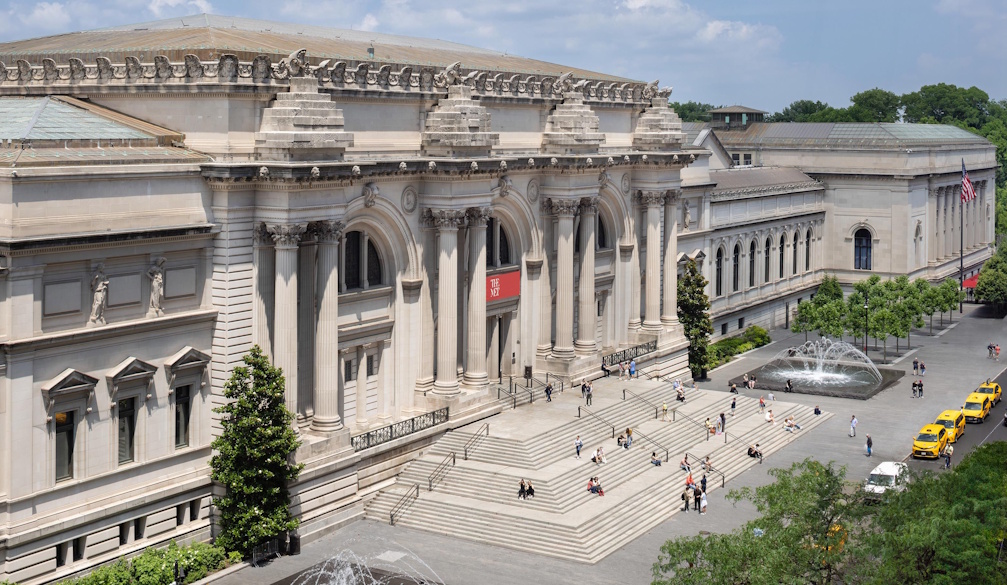
Each year, on the first Monday in May, the global fashion industry converges on the steps of Metropolitan Museum of Art for what has become the most photographed and dissected cultural event on the calendar—the Met Gala. In 2026, the spectacle once again delivered a mix of artistry, celebrity, controversy and carefully curated mystique.
More than a red carpet, the Met Gala is a cultural barometer. It reflects where fashion intersects with politics, celebrity influence, wealth and the shifting boundaries of self-expression.
Who Runs the Met Gala?
At the centre of the event is Anna Wintour, the long-standing editor-in-chief of Vogue and arguably the most powerful figure in global fashion.
Since taking control of the gala in the mid-1990s, Wintour has transformed it from a society fundraiser into a global media phenomenon. She personally oversees:
-
The guest list
-
Seating arrangements
-
Theme interpretation
-
Overall tone and positioning
The event itself raises funds for the Costume Institute, the museum’s fashion wing. It is both a fundraiser and the opening night for the Institute’s annual exhibition.
The 2026 Theme and Atmosphere
While themes change annually, they are always rooted in fashion history, cultural commentary or artistic exploration. The 2026 theme leaned heavily into the concept of identity, craftsmanship and the future of couture—prompting designers and attendees to experiment with both traditional tailoring and avant-garde interpretations.
The result was a red carpet filled with dramatic silhouettes, futuristic materials and a continued blending of fashion with performance art.
Who Was There This Year?
The guest list, as always, was a carefully curated mix of fashion royalty, Hollywood power, music icons, athletes and emerging cultural figures.
Among the most talked-about attendees were:
-
Zendaya, who once again delivered a headline-making look
-
Timothée Chalamet, continuing his reputation for redefining menswear on the carpet
-
Rihanna, whose appearances are now considered centrepieces of the event
-
Kim Kardashian, never far from controversy or attention
-
Bad Bunny, representing the continued influence of global music culture
-
Margot Robbie, bringing an Australian presence to the global stage
Designers, models, tech entrepreneurs and select athletes rounded out the list, reinforcing the event’s role as a cross-industry gathering of influence.
The Controversies
No Met Gala is complete without debate—and 2026 was no exception.
Several controversies emerged:
1. “Off-Theme” Criticism
As in previous years, social media erupted with commentary over attendees who appeared to ignore or loosely interpret the theme. Critics argued that some celebrities prioritised brand partnerships over artistic integrity.
2. Wealth and Optics
With global economic pressures still affecting many households, the extravagance of the Met Gala drew predictable criticism. Tickets—reportedly exceeding USD $75,000 per person—highlight the stark divide between elite cultural circles and the broader public.
3. Cultural Appropriation Concerns
A handful of outfits sparked debate around the use of cultural symbols and traditional design elements. These conversations have become a recurring feature of the event, reflecting broader scrutiny across the fashion industry.
4. Sustainability Questions
In an era where sustainability is increasingly central to fashion, critics questioned the environmental impact of one-night-only couture pieces, many of which are never worn again.
Why the Met Gala Is So Exclusive
The Met Gala’s exclusivity is not accidental—it is the foundation of its power.
Several factors contribute to its ultra-exclusive status:
Invitation Only
You cannot buy your way in without approval. Even brands purchasing tables must have their guests vetted and approved by Anna Wintour herself.
Cost as a Barrier
With tickets costing tens of thousands of dollars, the event is financially out of reach for all but the ultra-wealthy or those sponsored by major fashion houses.
Limited Numbers
Attendance is capped at roughly 400 guests, ensuring the event remains intimate relative to its global profile.
Cultural Gatekeeping
The guest list is designed to reflect influence, relevance and cultural capital. Being invited signals that you are not just successful—but significant.
Media Amplification
Ironically, the event’s exclusivity fuels its global reach. Millions engage with the red carpet online, even though only a few hundred ever step inside.
More Than Fashion
The Met Gala has evolved beyond clothing. It is now a platform where:
-
Designers showcase their most ambitious work
-
Celebrities shape personal and political narratives
-
Brands align themselves with cultural prestige
-
Media outlets generate global engagement
It is also a reflection of how fashion has moved from the margins of cultural conversation to its centre.
The Australian Perspective
For Australian audiences, the presence of figures like Margot Robbie reinforces the country’s growing influence in global fashion and entertainment.
Australian designers and creatives increasingly use the event as a launching pad for international recognition, even if they are not always in the spotlight.
Final Word
The 2026 Met Gala once again proved why it remains the most important night in fashion.
It is a paradox: exclusive yet globally consumed, artistic yet commercial, celebratory yet controversial.
At its core, the event is about more than style—it is about power. Who has it, who is invited to share it, and how it is displayed to the world.
For those on the outside, it is spectacle.
For those inside, it is status.