Same Foundations, Different Convictions: How Australian Men and Women Really Invest
New Sharesight data reveals that Australian men and women put their money in the same core funds — but when you look at how they actually trade, clear differences emerge around ethical investing and trading convictions.
According to Sharesight data, sourced from Australian user portfolios for the financial year July 2025 to June 2026:
- The five most traded ETFs are identical for men and women — VAS, IVV, VGS, NDQ, and VHY — pointing to a broader shift away from individual stock picking and toward low-cost, diversified passive products
- ETHI ranks in the top 20 most traded ETFs among female investors, and does not appear in the equivalent list for men; among women who trade it, 88% of transactions are buys
- Funds targeting gold miners (GDX) and defence (ARMR) appear only in men’s top traded list, alongside higher conviction in semiconductors, cybersecurity, and copper miners
- Across almost every core fund, women show a higher buy ratio than men: for VAS, 95% versus 91%; for VGS, 96% versus 93%
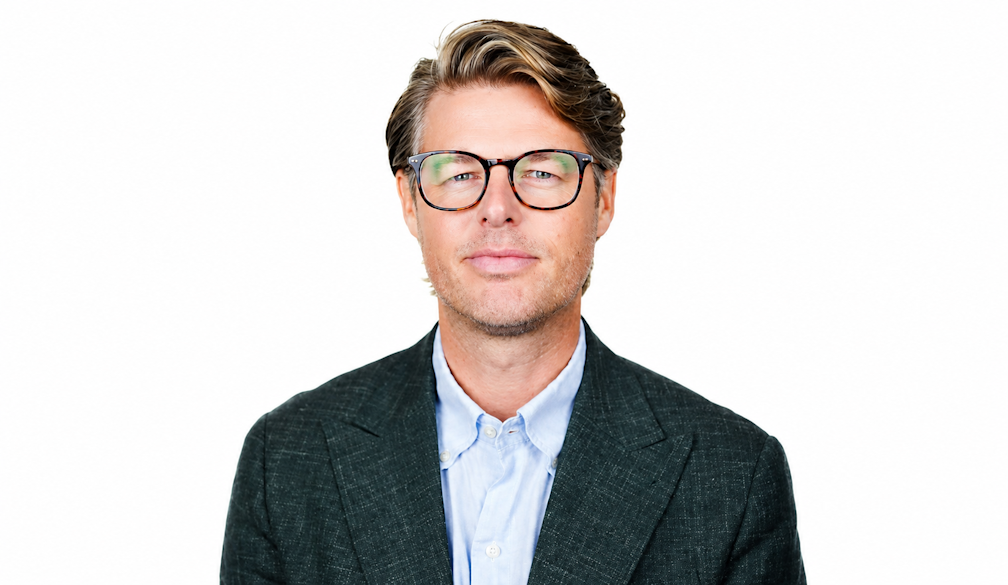
Douglas Morris, CEO at Sharesight, said, “What’s striking is how similar the foundations are. Men and women are anchoring portfolios to the same low-cost, diversified ETFs, and both are increasingly looking offshore for growth, whether that’s the S&P 500, the Nasdaq or global thematics. With the new CGT rules arriving on 1 July 2027, we expect that focus to sharpen further. Investors will be thinking much harder about after-tax returns and where their growth assets sit, not just headline performance.
“Across almost every core fund, women show textbook long-term behaviour: buying steadily, holding through the noise, and backing their convictions, whether that’s ethical investing or simply staying the course. On the measures that matter for long-term returns, female investors are quietly setting the standard.”
Tom Wickenden, Investment Strategist at Betashares, said, “The expanding universe of ETFs is giving investors more solutions to build robust portfolios. Broad Australian and international equity ETFs, as well as fixed income and commodities, can form a strong diversified core, while more targeted thematic exposures can be used in appropriately sized allocations to capture specific growth opportunities or express a particular investment view. In our experience, this is the most common portfolio construction approach employed by Australian investors.
“The key is to get the foundations right first. A well-diversified core should do most of the heavy lifting over the long term, with thematic or higher-conviction exposures playing a measured satellite role around it.
“The very high proportion of buying activity across many ETFs is also encouraging. It suggests investors are increasingly using ETFs as long-term wealth-building solutions, steadily adding to diversified portfolios rather than simply trading in and out of the market.
“Our research, drawing on more than 15 years of data, suggests ETF choices are shaped by a range of factors, including an investor’s age, stage of their investment journey, gender, and investment preferences. We should therefore be cautious about attributing investment decisions to any single factor.”
Data Source:
Sharesight is an online investment portfolio tracking platform, used by investors in over 170 countries worldwide to monitor their investments.
This analysis is based on anonymised and aggregated trading data from Sharesight users in Australia for the financial year July 2025 to June 2026. Data reflects the number of trades placed, not the value of trades or portfolio size. Rankings are ordered by the number of trading customers. The dataset includes all markets.