The Teals and Climate 200: If They Become a Party, Canberra Will Have Another Power Bloc
- Written by: The Times
Hypothetically, Australian federal politics may be heading toward another major transformation.
The rise of the Teal independents already reshaped the political map by removing senior Liberal figures from previously safe metropolitan seats. But a bigger question is now emerging inside political circles:
What would happen if the Teals formally unite into a political party linked to Climate 200?
If that occurred, the consequences for Canberra could be significant.
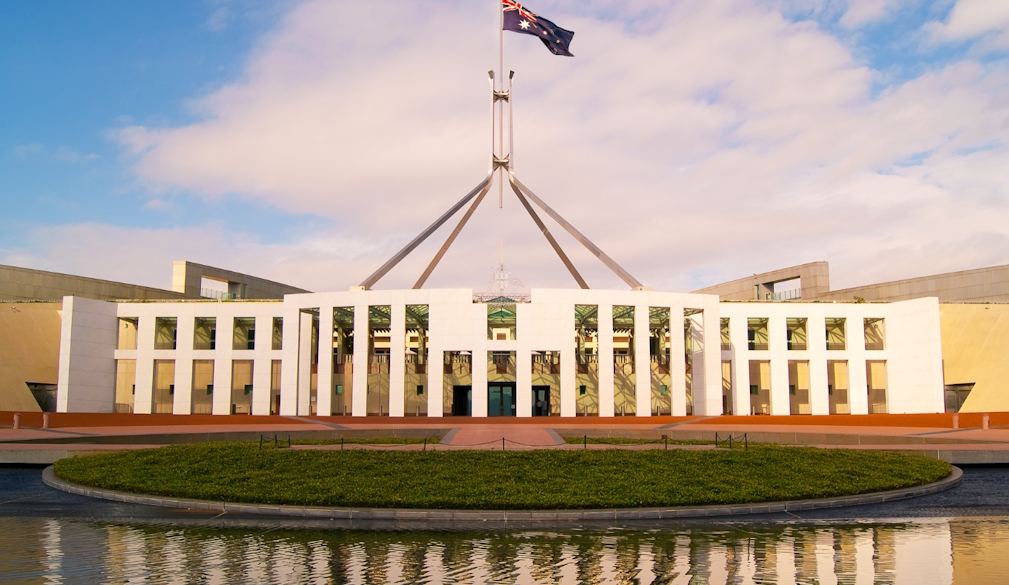
Not only could the Teals potentially hold more seats than the Australian Greens in the House of Representatives, but Parliament House itself could require another fully resourced party infrastructure — including offices, advisers, administrative staff and potentially an expanded parliamentary party room.
What began as a movement of “community independents” could evolve into one of Australia’s most influential political forces.
The Teals Were Supposed to Be Independents
One of the defining features of the Teal movement has been its insistence that candidates are independent representatives rather than members of a centralised party machine.
That distinction has mattered politically.
Many voters supported Teal candidates because they were perceived as:
• Local representatives
• Community-focused candidates
• Less ideological than major parties
• Free from traditional party discipline
However, critics — particularly within the Liberal Party — have long argued the movement already behaves like a loosely connected national organisation.
The common threads are obvious:
• Similar climate policies
• Shared integrity reform messaging
• Similar campaign structures
• Financial support linked to Climate 200
• Comparable professional voter demographics
As the Teals gain experience and parliamentary influence, pressure may eventually grow for a more formal structure.
Why Formalising Could Be Attractive
A unified Teal-style political party could offer enormous strategic advantages.
These may include:
• Greater national campaign coordination
• Shared funding structures
• Central policy development
• Stronger negotiating power in parliament
• Easier candidate recruitment
• Increased media visibility
Most importantly, a formal party could consolidate influence in minority government situations.
Australia’s political fragmentation means crossbench groups increasingly hold balance-of-power leverage.
If a Teal-aligned bloc controlled enough seats, it could become one of the most powerful negotiating forces in federal politics.
That possibility would concern both Labor and the Coalition.
More Seats Than the Greens?
The arithmetic is becoming politically interesting.
The Greens remain strongest in the Senate, but the Teals have proven highly effective in affluent metropolitan lower-house electorates.
If the Teal movement expanded further into:
• Sydney
• Melbourne
• Brisbane
• Perth
• Canberra
it is conceivable they could eventually hold more House of Representatives seats than the Greens.
That would fundamentally alter Australia’s parliamentary dynamics.
Unlike the Greens, the Teals often attract:
• Former Liberal voters
• Corporate professionals
• Wealthier electorates
• Moderate conservatives dissatisfied with the Coalition
This gives them a broader appeal in certain urban seats that the Greens historically struggled to win.
Parliament House Could Need Another Party Wing
The practical implications inside Canberra would also become significant.
Political parties receive extensive parliamentary resources, including:
• Dedicated party rooms
• Staffing allocations
• Administrative offices
• Research support
• Media infrastructure
• Leadership offices
If the Teals formally organised as a parliamentary party, pressure would likely grow for equivalent institutional recognition.
Parliament House was designed around the dominance of major parties, with the Greens later becoming an established third force.
A growing Teal bloc could require:
• Additional office allocations
• Expanded meeting facilities
• New staffing budgets
• Larger parliamentary coordination structures
Critics would inevitably question the cost to taxpayers.
Supporters would argue the resources simply reflect modern democratic representation.
Climate 200 Would Face Greater Scrutiny
Any formal link between the Teals and Climate 200 would likely intensify political scrutiny.
Climate 200 currently positions itself as a fundraising vehicle supporting independent candidates rather than operating as a political party itself.
However, opponents already argue the distinction is becoming increasingly blurred.
If the Teals formally unified, questions would intensify around:
• Funding transparency
• Central campaign coordination
• Donor influence
• Policy alignment
• Organisational control
The Coalition in particular would likely frame such a move as proof the Teals were never truly independent.
That argument could resonate with some voters.
Others may not care, viewing the movement simply as a modern centrist alternative to the major parties.
The Greens Would Face a New Competitor
A formal Teal party could create complications for the Greens.
At present, the Greens dominate much of Australia’s progressive parliamentary space outside Labor.
But the Teals appeal to a different demographic:
• Wealthier professionals
• Business-friendly climate voters
• Moderate institutional reform supporters
• Voters uncomfortable with more radical economic positions
This creates potential overlap in:
• Climate policy
• Integrity reform
• Urban progressive electorates
The Greens may find themselves squeezed between Labor and a more moderate, corporate-friendly Teal movement.
That would create fascinating contests in inner-city Australia.
The Coalition’s Long-Term Problem
For the Liberal Party, the Teal phenomenon remains deeply problematic.
Historically, affluent metropolitan electorates formed the backbone of Liberal parliamentary power.
The Teals disrupted that structure.
If the movement formalises into a permanent party, the Coalition may face a long-term structural challenge:
• Losing progressive urban seats permanently
• Becoming more regionally concentrated
• Shifting further toward conservative populism
• Facing competition on both the centre and right
That dynamic could unintentionally strengthen parties like One Nation in outer suburban and regional areas.
Australia’s political centre-right may become increasingly fragmented.
Australian Politics Is Entering a New Era
Whether the Teals formally become a party or remain loosely aligned independents, one reality is becoming clearer:
Australia’s traditional political structure is changing.
Voters are increasingly willing to abandon major parties in favour of:
• Independents
• Minor parties
• Issue-focused movements
• Personality-driven campaigns
The old assumptions about safe seats and predictable loyalties are weakening.
If a formal Teal party eventually emerges, Parliament House may not simply need another party room.
Canberra may need to accept that Australian politics has permanently entered a multi-bloc era where power is shared between competing movements rather than dominated by two major parties alone.