


The Quiet Economic Squeeze Changing The Country
- Written by: The Times
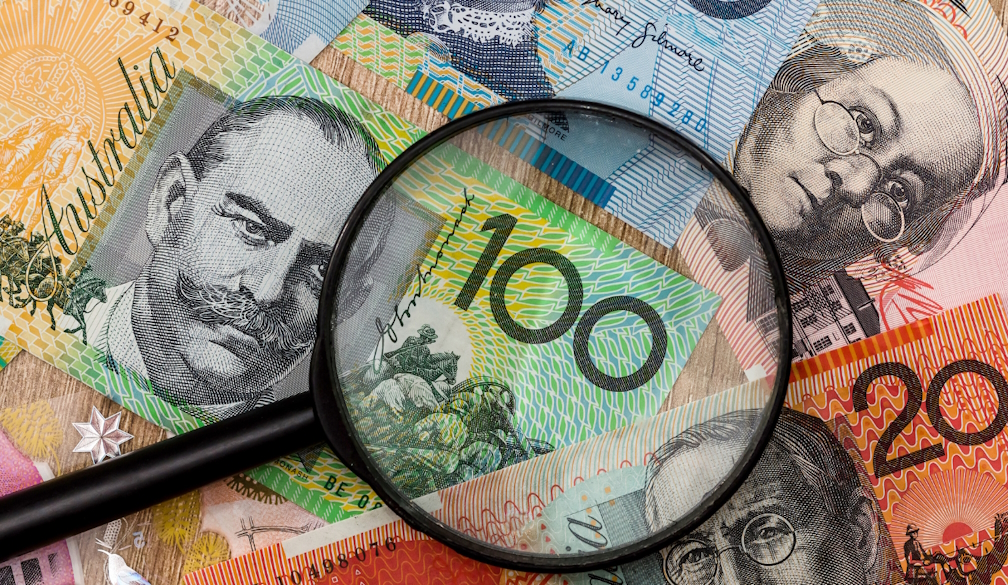
Australians have endured rising interest rates, soaring insurance premiums, stubborn grocery prices and a housing market that increasingly feels out of reach for ordinary workers. But beyond the headlines and political slogans, a deeper anxiety is emerging across the country: many people no longer feel confident that life will become easier in the years ahead.
From Sydney mortgage belts to regional Queensland towns, Australians are adjusting their expectations downward. Families who once planned holidays are now focusing on power bills. Young couples who hoped to buy a home are delaying children. Small businesses that survived COVID are discovering that surviving the recovery may prove even harder.
The pressure is no longer isolated to one class of people. It is spreading through the middle of Australia.
The “Working Hard But Falling Behind” Economy
One of the biggest changes in public sentiment is that many Australians still have jobs, yet no longer feel financially secure.
Historically, employment growth provided reassurance. If people worked hard and wages rose steadily, households could generally plan for the future. That confidence has weakened.
Workers across multiple industries report feeling trapped between rising living costs and stagnant purchasing power.
Among the biggest pain points:
• Mortgage repayments
• Rent increases
• Electricity and gas prices
• Insurance premiums
• Council rates
• Child care expenses
• Fuel prices
• Grocery costs
Many households are now carefully calculating every purchase despite official claims that inflation pressures are easing.
The problem is psychological as well as financial. Australians increasingly fear that even if they work harder, they may not significantly improve their position.
Small Business Owners Are Warning Of A Slowdown
Across Australia’s small business sector, operators are becoming increasingly cautious.
Cafe owners report customers spending less per visit. Retailers describe weaker discretionary spending. Tradespeople say some homeowners are postponing renovations. Hospitality venues are battling wage pressures while customers themselves cut back.
For many operators, the issue is uncertainty rather than collapse.
Businesses can adapt to high costs if conditions stabilise. What they struggle with is unpredictability.
Questions business owners are now asking include:
• Will interest rates stay high?
• Will taxes rise further?
• Will consumer demand weaken?
• Will energy prices spike again?
• Will more regulation increase operating costs?
• Will skilled workers remain available?
Australia’s economy has traditionally relied heavily on confidence. When confidence weakens, investment decisions slow.
Housing Has Become The National Anxiety Point
Nothing symbolises modern Australian frustration more than housing.
For older Australians, property often became a pathway to security and wealth accumulation. For younger Australians, home ownership increasingly feels like a distant ambition.
Even high-income earners now report difficulty entering the market in major cities.
Meanwhile:
• Rents remain elevated
• Vacancy rates remain tight in many regions
• Construction costs remain high
• Developers face financing pressures
• Councils continue battling infrastructure demands
The result is a country where housing discussions increasingly dominate political and social conversations.
Australians are not merely discussing homes anymore. They are discussing whether the traditional Australian dream still exists in practical terms.
The Political Danger For Canberra
Governments around the world are discovering that economic frustration can quickly become political frustration.
Australians may tolerate hardship temporarily if they believe conditions will improve. But if people begin believing decline is structural rather than temporary, voter behaviour can change rapidly.
This explains the growing appeal of:
• Minor parties
• Protest candidates
• Independents
• Anti-establishment messaging
• Populist economic arguments
The political centre is increasingly under pressure from voters demanding immediate relief rather than long-term promises.
Federal and state governments now face a difficult balancing act between maintaining budget discipline and convincing Australians their living standards will recover.
Is Australia Actually In Trouble?
Despite the pessimism, Australia retains significant strengths.
The country still benefits from:
• Vast natural resources
• Strong banking institutions
• Population growth
• Global demand for minerals and energy
• A relatively stable political system
• International investment interest
• A skilled workforce
Many economists argue Australia is experiencing a painful adjustment period rather than a collapse.
But for households facing immediate financial pressure, macroeconomic optimism often feels disconnected from daily reality.
That disconnect may become one of the defining political and economic themes of modern Australia.
The Mood Of The Nation Matters
Economies are not driven purely by spreadsheets and Treasury forecasts. Confidence matters. Consumer sentiment matters. Hope matters.
Right now, many Australians are asking a simple question:
If life is this expensive during relatively stable times, what happens if conditions worsen?
That question — quietly discussed around dinner tables, workplaces and cafes across the country — may explain why millions of Australians fear what comes next.










