‘Unexpected but sensible’: Kochie bucks the trend with big RBA rate hike decision call
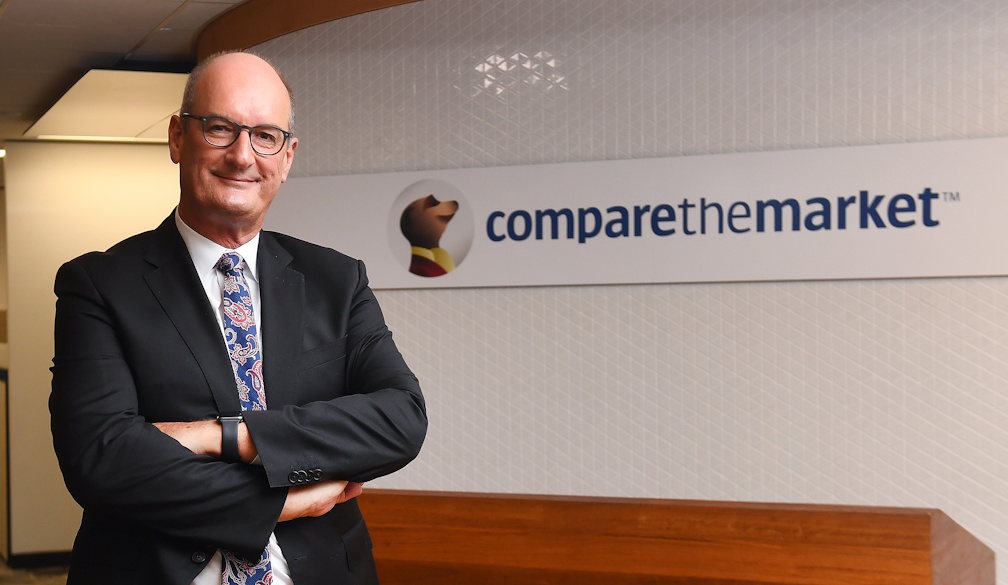
The Reserve Bank is just over a week away from its next cash rate decision and while many economists are forecasting another increase, Compare the Market’s Economic Director David Koch says it’s time to give homeowners a lifeline.
With the latest Consumer Price Index data due next week, an impending Federal Budget announcement on 12 May and the ongoing war in the Middle East, Mr Koch said the RBA has a lot to weigh up.
“They’ll be thinking about whether oil prices will stay high for longer, because if the Middle East crisis resolves itself, oil prices will drop significantly — and that would take a big chunk out of the inflation rate.
“The other thing they’ll be thinking about is Australian households. Consumer confidence has plunged and business confidence has fallen to almost record lows. Consumers cutting their spending is bad for the economy because small businesses start to suffer.
“And bosses not having confidence is bad for the economy too, because they won’t invest and they won’t hire people. So the Reserve Bank doesn’t want to crush consumers and businesses with another interest rate increase.”
In addition to interest rate increases in February and March, Mr Koch said higher petrol prices had already delivered a financial impact similar to an official interest rate hike.
“Because that interest rate increase — or the equivalent — has already come through in higher petrol prices, I reckon they might hold the line,” Mr Koch said. “It’s a big call, but the week after is the Federal Budget, and they don’t know what’s coming there. They might think, ‘okay, let’s give ourselves some breathing space, see if the Middle East crisis resolves itself, and see what’s in the Federal Budget’.”
If the RBA does hike rates again in May, homeowners could be forking out hundreds more each month, depending on their loan size.
Impact of a potential rate rise on Australian mortgage repayments
|
Loan size
|
Monthly impact of a 0.25% rate increase
|
Monthly impact of x2 0.25% rate increases (0.50%)
|
Monthly impact of x3 0.25% rate increases (0.75%)
|
Monthly impact of x4 0.25% rate increases (1%)
|
|
$500,000
|
$79
|
$158
|
$239
|
$320
|
|
$600,000
|
$94
|
$190
|
$287
|
$384
|
|
$750,000
|
$118
|
$237
|
$358
|
$480
|
|
$900,000
|
$142
|
$285
|
$430
|
$577
|
|
$1,000,000
|
$157
|
$317
|
$478
|
$641
|
|
*Calculations assume an owner-occupied loan with a variable interest rate of 5.42% that is increased by 0.25% a month. It assumes a 30-year loan term, with no ongoing fees. This does not take into account the reduction of the loan balance over time.
|
||||
Mr Koch said it was now up to Australians to claw back cash where they could.
“It is the time to start plugging all of those financial leaks that are coming out of your household budget to see if you can get better deals,” Mr Koch said.
“Where can you make savings? How can you deliver an interest rate cut or the equivalent of an interest rate cut to your household budget? Number one: make sure you’ve got a home loan that suits your circumstances. If you don’t, do the numbers and consider refinancing.
“Go through your big four bills: your home and contents insurance, private health cover, your car insurance and your energy bills and just check whether you can get savings by going somewhere else.”
Compare the Market is a comparison service that takes the hard work out of shopping around. We make it Simples for Australians to quickly and easily compare and buy insurance, energy, and home loans products from a range of providers. Our easy-to-use comparison tool helps you look for a range of products that may suit your needs and benefit your back pocket.