Nearly Half of Disadvantaged Australian Schools Run Libraries on Less Than $1000 a Year
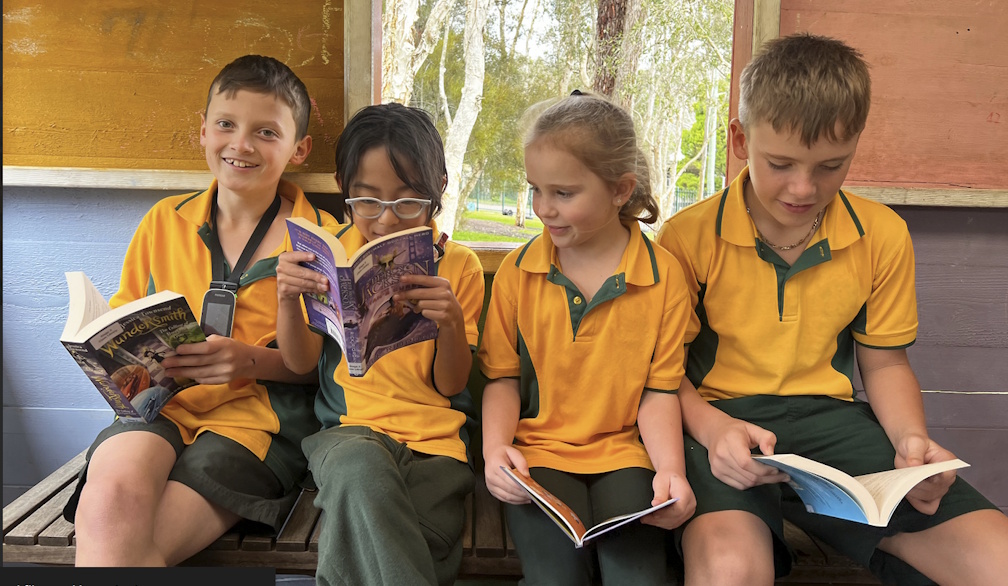
A new national snapshot from Dymocks Children’s Charities reveals outdated books, no librarians and zero-dollar budgets are impacting more than 100,000 Australian children with nearly half of Australia’s most disadvantaged schools operating their libraries on less than $1000 a year - and one in five reporting no dedicated library budget at all.
The data, based on 384 applications from schools in the bottom 25% of ICSEA rankings and representing more than 106,000 students, reveals widespread underfunding, outdated collections and critical staffing shortages in school libraries serving vulnerable communities.
Key findings include:
-
20% of schools operate with a $0 annual library budget
-
43% operate on less than $1000 per year
-
95% of schools have one or no qualified librarian
-
Some school collections include books dating back to the 1950 and 1960s
-
Many report 50% or more of their books are older than 20-25 years
Schools described libraries with ageing non-fiction resources that are factually outdated, culturally inappropriate or damaged beyond repair. Others reported missing entire high-interest categories such as manga and graphic novels - books known to drive reading engagement among reluctant readers.
The findings come against a backdrop of broader national literacy concerns, with one in three Australian children not reading proficiently and four in 10 having 10 or fewer books at home.
Dymocks Children’s Charities says the data highlights a growing gap between literacy expectations placed on students and the resourcing available to support them.
“For many children in disadvantaged communities, the school library is their only access to books,” says Dymocks Children’s Charities General Manager Melanie Smith.
“In the schools we work with, library budgets are often shockingly low. Many average around just $400 a year - and some have nothing at all,” she adds.
“We’ve seen books on shelves that are more than 30 years old. One Brisbane school was forced to remove books because they were factually incorrect. In Tasmania, a librarian told us there are books still in circulation that her husband borrowed when he was a student decades ago.”
“For children to become readers, they need books that feel relevant and exciting. They need choice, contemporary stories and the kinds of titles their peers are reading.”
“There is no legislation in Australia that requires a school to have a functioning library. In some cases, a library could simply be a room full of computers - without a single book on the shelves.”
“Principals in disadvantaged schools are making impossible choices - do they fund a breakfast program? Repair ageing buildings? Provide lunches? By the time they get to the library, there’s simply nothing left.”
“These schools don’t have active P&Cs raising thousands of dollars either. They’re operating on incredibly tight budgets, and libraries often fall to the bottom of the list.”
Research shows that students who regularly borrow books perform significantly better in literacy, and that choice and autonomy are critical drivers of reading engagement.
Despite the challenges, schools reported strong determination to rebuild their library spaces, restore borrowing programs and re-engage students with reading - but said sustainable funding remains a major barrier.
Over its 25-year history, Dymocks Children’s Charities has supported more than 550,000 children and provided more than 680,000 books to schools and community groups across Australia.
The charity is calling for greater national attention to the role school libraries play in literacy outcomes, particularly in disadvantaged communities where access to books cannot be assumed.
In response to the growing demand Dymocks Children’s Charities is inviting eligible schools to apply for support through its Library Boost Project - a national initiative aimed at closing the literacy gap between advantaged and disadvantaged communities.
About Library Boost Project
Schools with strong parent and P&C support are invited to host a Library Boost fundraiser, rallying their community to raise funds for new, relevant books for under-resourced schools across Australia.
At the same time, eligible disadvantaged schools are encouraged to apply to receive support to refresh outdated collections and rebuild vibrant library spaces.
Together, the initiative connects schools that can give with schools in need - helping ensure every child has access to quality books.
Applications and further information are available at: dymockschildrenscharities-