While Fuel Has Our Attention, There Are Many More Issues That Need Our Focus
- Written by: The Times
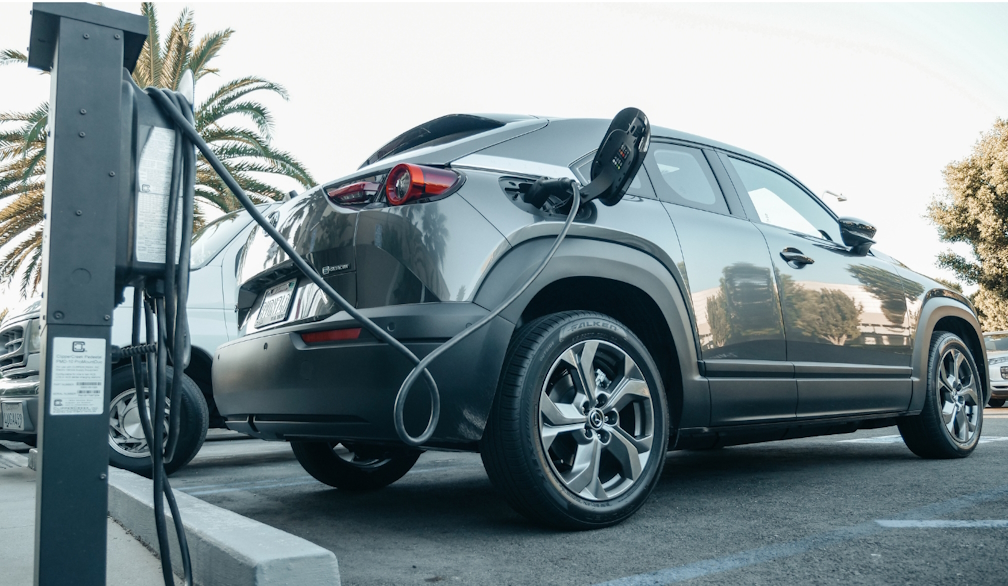
Australia is once again fixated on fuel.
Petrol prices rise, headlines follow, political pressure builds, and households feel the immediate sting at the bowser. It is visible, measurable, and unavoidable. But while fuel dominates the national conversation, it risks becoming a distraction—because beneath it lies a far broader and more complex set of structural challenges that are reshaping everyday life across the country.
Fuel is not the problem. It is the signal.
And the signal is pointing to something much bigger.
Food Supply: Quiet Pressure Building
Food prices have not surged overnight—they have crept upward, week after week, month after month. For many Australians, the weekly shop has transformed from routine to calculation.
Behind the scenes, the pressures are mounting:
-
Higher transport and logistics costs
-
Labour shortages across agriculture
-
Climate variability impacting yields
-
Increased reliance on imports for certain staples
Australia was once synonymous with abundance. Today, while shelves remain stocked, affordability is no longer guaranteed. Food security is no longer just a developing-world concept—it is becoming a domestic policy issue.
Transport Costs: The Hidden Multiplier
Fuel costs do not exist in isolation—they cascade through the entire economy.
Every truck on every highway, every delivery van in every suburb, every ship docking at every port contributes to the final price consumers pay. When fuel rises:
-
Freight costs increase
-
Retail margins tighten or prices rise
-
Regional communities are hit hardest
Transport is the backbone of a vast country. When it becomes more expensive, everything becomes more expensive.
Social Unrest: The Pressure Cooker Effect
Australians are resilient—but resilience has limits.
When the cost of living rises across multiple fronts simultaneously—fuel, food, housing, utilities—the result is not just financial strain. It is psychological strain.
We are beginning to see:
-
Growing frustration with institutions
-
Declining trust in leadership
-
A sense that the system is no longer working for ordinary people
Social unrest does not always arrive dramatically. Often, it builds quietly—through disengagement, anger, and a loss of belief that things will improve.
Housing Affordability: The Crisis That Won’t Break
Housing remains the defining economic and social issue of modern Australia.
For younger Australians, home ownership is increasingly out of reach. For renters, affordability is deteriorating rapidly. For many families, housing costs now dominate household budgets.
Key drivers remain entrenched:
-
Limited housing supply relative to demand
-
Population growth outpacing infrastructure
-
Investor dynamics influencing pricing
-
Construction costs remaining elevated
This is no longer a cyclical issue. It is structural.
The NDIS: A Growing Fiscal Burden
The National Disability Insurance Scheme was built on a noble foundation—to provide support and dignity to Australians living with disability.
But its cost trajectory is now a major concern.
-
Annual expenditure continues to rise sharply
-
Sustainability is increasingly questioned
-
Oversight and efficiency challenges persist
The issue is not whether support should exist—it must. The issue is whether the system, in its current form, can be maintained without placing unsustainable pressure on public finances.
Health Care: Access Under Strain
Australia’s healthcare system remains one of the strongest in the world—but cracks are appearing.
Patients are experiencing:
-
Longer wait times in public hospitals
-
Increasing out-of-pocket costs
-
Difficulty accessing bulk-billing GPs
Emergency departments are under pressure. Regional areas face acute shortages of medical professionals. The system is still functioning—but it is stretched.
Education: Overcrowding and Rising Costs
Education is meant to be the great equaliser. Yet for many families, it is becoming another financial pressure point.
-
Public schools are experiencing overcrowding
-
Private school fees continue to rise
-
Teacher shortages are affecting quality
Population growth without proportional infrastructure investment has created bottlenecks. Classrooms are fuller. Resources are thinner. Expectations remain high.
Net Zero: Policy vs Practicality
Australia’s transition toward net zero emissions has become one of the most contested policy arenas in the country.
While the objective is widely supported, the execution is increasingly debated.
Critics point to:
-
Rising energy costs
-
Reliability concerns in the grid
-
The pace of transition versus economic reality
Supporters argue the long-term necessity of action.
What is clear is this: policy decisions in this space are having real, immediate economic consequences for households and businesses.
Supply Chains: Losing What We Once Made
Australia has gradually shifted from a manufacturing economy to one heavily reliant on imports.
The consequences are now becoming more visible:
-
Vulnerability to global disruptions
-
Delays in essential goods
-
Reduced sovereign capability
From medical supplies to industrial components, the question is being asked more frequently: should Australia be making more of what it consumes?
The Cost of a Break: Holidays No Longer Affordable
Even escape has become expensive.
What was once a modest Australian holiday—flights, a motel, or a caravan park—is now a significant financial commitment.
-
Airfares remain elevated
-
Accommodation prices have surged
-
Caravan and holiday parks are increasingly corporatised
Large operators and franchised models are reshaping the market. Efficiency has improved—but affordability has declined.
For many families, the traditional Australian holiday is slipping out of reach.
A Nation Searching for Direction
Perhaps the most significant issue is not any single economic pressure—but the collective weight of all of them.
Australians are not just feeling poorer. They are feeling uncertain.
-
Uncertain about the future
-
Uncertain about leadership
-
Uncertain about whether the system is working in their favour
There is a growing sense that the country is reacting to problems rather than solving them.
The Need for a New Vision
What Australia lacks right now is not awareness—but direction.
The challenges are clear:
-
Cost of living pressures
-
Structural economic imbalances
-
Strain on public systems
-
Declining affordability across key areas of life
What is missing is a cohesive, forward-looking strategy that addresses these issues holistically—not in isolation.
Australians are not looking for slogans. They are looking for:
-
Competence
-
Clarity
-
Long-term thinking
-
Real solutions
Final Word
Fuel prices may dominate today’s headlines—but they are only the surface of a deeper national conversation.
This is not about petrol.
This is about the cost of living, the structure of the economy, and the future direction of the country.
Australia is not in crisis—but it is at a crossroads.
And increasingly, Australians are asking the same question:
Who will step forward with the vision—and the capability—to fix what matters most?