How Plastering Companies Are Transforming Commercial Spaces in Australia
- Written by: The Times
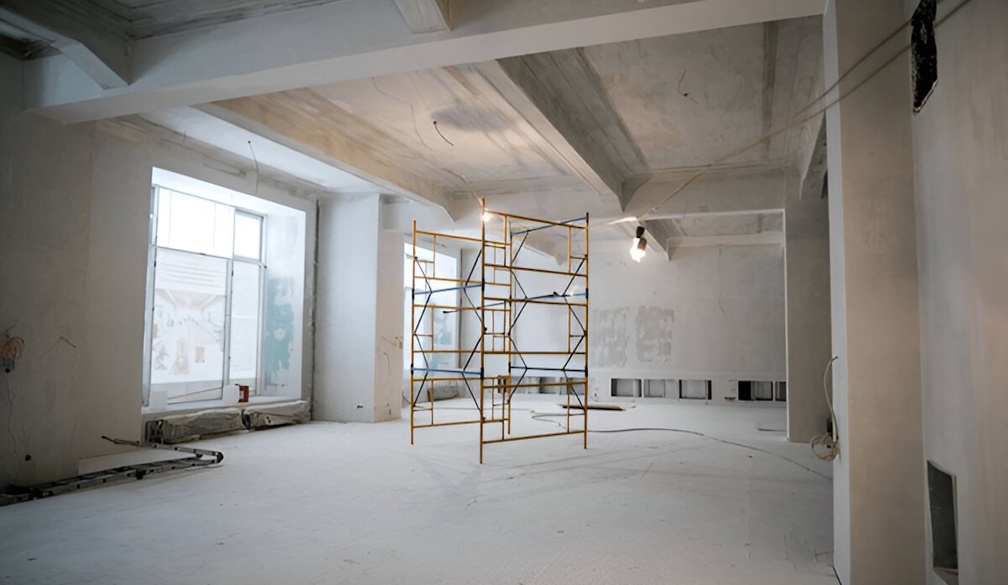
With the competitive nature of business today, first impressions are very crucial. From offices and retail stores to hotels and restaurants, what's inside a commercial facility can influence how clients, employees, and customers see a company. Of all the things neglected but still critical when it comes to interior design is plastering—a building block for smooth surfaces, decorative ceilings, and a well-groomed, professional image.
Throughout Australia, plastering businesses are taking an important part in commercialising buildings, helping businesses attain functionality as well as beauty. From acoustic panels and suspended ceilings to ornamental wall finishes, current commercial plastering trends are transforming how workplaces and shopping environments are built.
The Rise of Commercial Plastering in Australia
The need for superior commercial plastering services has been on the rise in recent years due to:
- Expanding Commercial Market – With the development of new office blocks, shopping malls, and hospitality sites, there is a greater demand for professional plastering services.
- The move toward contemporary, open-plan offices – Companies are investing in clean, minimalist designs with smooth, high-quality finishes.
- Improved acoustics and energy efficiency – Plastering firms now provide solutions that assist in temperature regulation and noise reduction, creating more comfortable and energy-efficient workspaces.
As Australian companies continue to expand, renovate, and update their premises, the services of commercial plastering contractors have never been more relevant.
Key Plastering Trends in Modern Offices & Retail Spaces
Plastering is not only about smooth walls anymore—it's about adding functionality, comfort, and aesthetics. Some of the largest commercial interior trends right now are:
- Suspended Ceilings for a Clean & Modern Appearance
Suspended ceilings are a favorite among contemporary office and retail environments, providing:
- A sleek, even look that conceals electrical wiring and ventilation systems.
- Enhanced soundproofing and thermal insulation, creating more energy-efficient workspaces.
- A versatile design that provides simple integration of lighting and air conditioning.
Most companies choose plasterboard ceilings as a means of developing a professional and contemporary appearance while providing durability.
- Acoustic Plastering for Noise Reduction
In open office spaces and high-traffic retail spaces, noise management is important. Acoustic plastering solutions minimize echo and transmission, leading to more productive and comfortable workspaces.
For instance, acoustic wall panels and perforated plaster ceilings are gaining traction in:
- Co-working offices and corporate offices
- Restaurants and cafés
- Schools and lecture halls
This is especially applicable in Melbourne's booming business environment, where businesses are seeking solutions to increase workplace efficiency and customer satisfaction.
- Decorative & Feature Wall Plastering
More and more businesses are turning to plastering to imbue their environments with character. Gone are the days of ugly white walls, as many commercial properties now boast:
- Textured plaster finishes for the luxurious, contemporary style.
- Feature walls in special plaster designs produce a striking, fashionable statement.
- Plaster walls in curved design for a futuristic and sophisticated interior.
Hotels, specialty retail shops, and upscale offices use decorative plastering features as a means to distinguish their brand and enhance the interaction with the environment.
- Fire-Rated & Impact-Resistant Plastering Solutions
Safety and strength are top priorities in commercial buildings, particularly in busy areas such as shopping centres, schools, and hospitals. Impact-resistant walls and fire-rated plasterboard add an extra layer of protection to ensure that companies meet Australian building codes while providing a high-standard finish.
Choosing the Right Commercial Plastering Contractor
Given so many plastering contractors in Melbourne and throughout Australia, choosing the best one for the job is important. Your professional commercial plastering contractor will provide:
- Experienced industry work – A demonstration of a project list of commercial projects.
- Employment of premium products – Enduringness and lifespan should always be the norm.
- Commercial plastering solutions knowledge – From suspended ceilings to fire-resistance-rated plasterboard, the contractor can deliver a specific solution.
- Reputation for reliability – Project completion on time and expert service are among the most important considerations in any business project.
For Melbourne businesses, an example of a reliable provider is Vista Plastering Melbourne, which has experience in providing professional plastering services of high quality for small and large commercial projects.
Final Thoughts: Plastering as an Investment in Business Success
Plastering is not merely a cosmetic improvement—it's an investment in quality, functionality, and branding. It could be a corporate office, a retail outlet, a hotel, or a healthcare facility—whatever it is, a well-plastered environment:
- Makes a powerful first impression
- Improves energy efficiency & acoustic performance
- Guarantees long-term durability with little maintenance
As companies throughout Australia rebuild and expand, the number of professional plastering firms will just increase. With the adoption of the newest commercial plastering styles, businesses are able to design areas that are not only aesthetically pleasing but also functional and durable.