Save the Children Hong Kong’s "Heart to Heart Parent-Child Programme" Helps Parents Build Warmth and Boundaries for Children
From Authority to Companion: The Positive Parenting Journey of First-time Parents
The Heart to Heart Parent‑Child Programme of Save the Children Hong Kong is a parent and child support programme that aims to help parents build confidence and skills in practising positive parenting and non‑violent communication, enabling children to feel respected, develop awareness of self‑protection, and strengthen parent‑child and family relationships.

Watch video interview: https://savethechildren.click/H2H_AppleCheukStory_PR
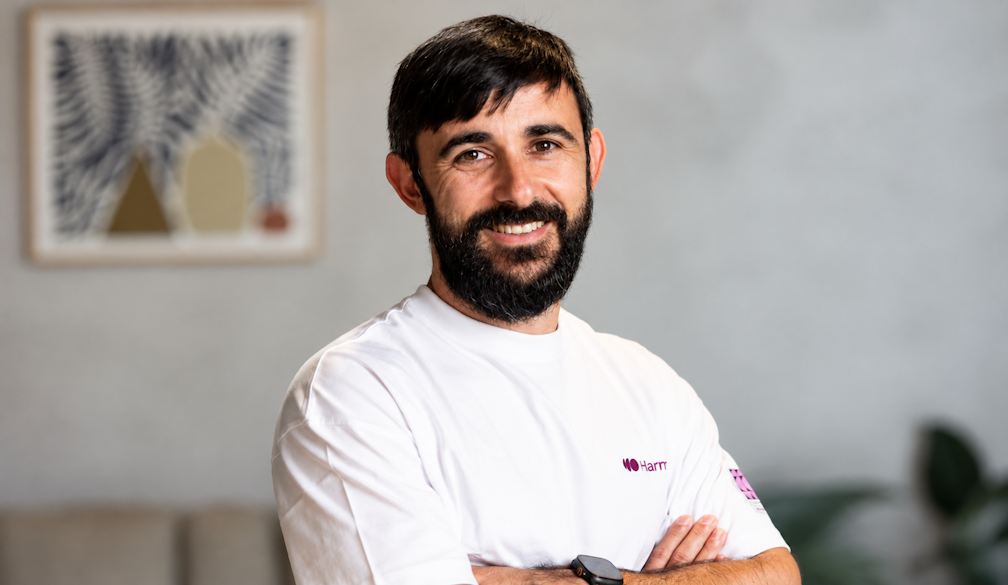
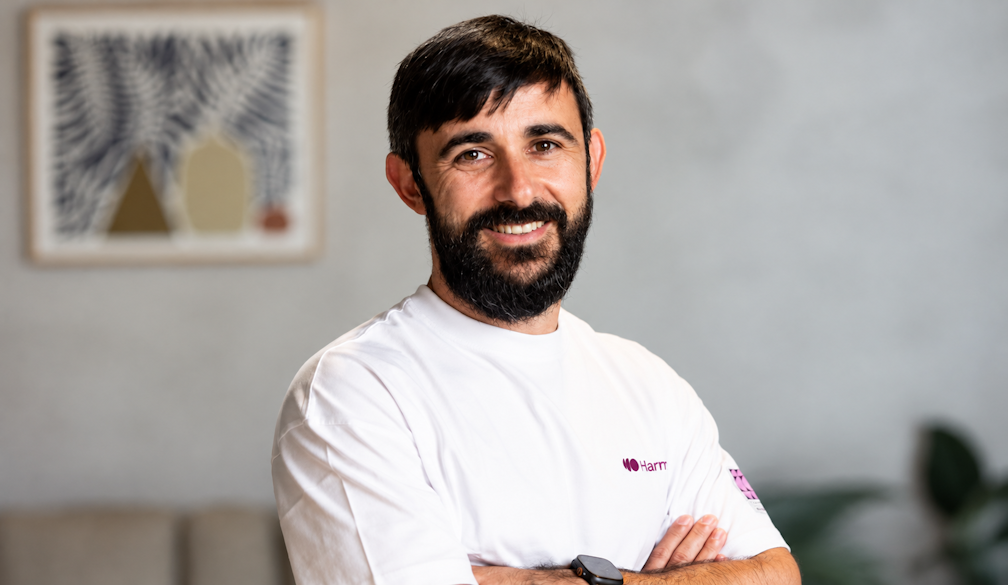
With demanding work commitments, parents often strive to provide for their children materially yet may lack the time or energy to truly understand one another's feelings — which can strain family relationships.For Cheuk and Apple, parents of a four‑year‑old boy, becoming mum and dad gradually made them realise how deeply their own childhood experiences — growing up under scolding, pressure and emotional suppression, have shaped the way they now interact with their son. "In the past, whenever a problem came up, my first instinct was always to fix it straight away," Cheuk recalled. Influenced by his upbringing, Cheuk often tackled conflicts by issuing instructions or letting emotions take charge, sometimes overlooking how his child or partner might feel in the moment. Apple shares that a lack of understanding and emotional support in her own childhood also affected how relationships are formed later in life. "I didn't want to repeat that same pattern," Apple explains. This reflection motivated the couple to join Save the Children Hong Kong's Heart to Heart Parent‑Child Programme, breaking the cycle of traditional punitive discipline.
Building Loving Family and Daily Routine: Learning to Parent, Rediscovering Oneself
The Heart to Heart Parent‑Child Programme is a parent and child support programme based on Save the Children's child protection framework, which has been implemented in over 40 countries worldwide. Adapted for Hong Kong, the programme has so far served more than 700 parents and caregivers and over 1,000 children. It aims to help parents build confidence and skills in practising positive parenting and non‑violent communication, enabling children to feel respected, develop awareness of self‑protection, and strengthen parent‑child and family relationships.
Programme facilitator Janet notes that many parents genuinely value their relationship with their children—"they want to do well but don't know how". Under heavy social and work pressure, it is easy for parents to fall back on familiar but unhealthy forms of discipline.
"Positive parenting does not mean spoiling." Janet explained that the approach emphasises both family warmth and guidance with structure, which means acknowledging children's emotions and needs, while also setting clear and safe boundaries. This helps children feel understood and, at the same time, learn appropriate behaviour and social norms.
Facilitator Janet explains that the programme emphasises both "family warmth" and "guidance with structure".
In the parent group, Cheuk and Apple were introduced to many new concepts, such as "address feelings first, then deal with the problem" and the "Iceberg Theory" for identifying the underlying causes behind emotional outbursts. These concepts, which at first seemed abstract, gradually became practical and actionable through the four‑session parent workshop combining discussions and real‑life examples.
Parallel Learning for Parents and Children: Helping Children Put Emotions into Words
Parents are introduced to practical tools in the programme to help children recognise and express their feelings. One of these tools is the use of picture books and art activities.
"Colours and drawings can be a language for children," Janet shared. Through picture books, parents and children can build a shared emotional language. For example, using colours to describe anger, calmness, or uneasiness helps children articulate their feelings more easily.
Apple shared that picture books and drawing created new opportunities for conversation. Even though her son is still young, "when we really sit down and listen, he does express himself." The programme also includes parallel groups for children aged 6–12, allowing parents and children to learn positive communication together.
The children's group uses picture books and art activities as tools to teach children to recognise and express emotions.
A small episode during the interview at the park perfectly illustrated how the family practises positive parenting. When their son had a tantrum after struggling with a drawing, Apple did not scold him and said calmly instead, "We wouldn't know unless you teach us," and expressed her feelings by saying, "When I see you losing your temper, I feel really upset."
By expressing emotion from Apple's own perspective, her son calmed down, shared what he needed, and with Cheuk's help, the family continued enjoying their time together. Janet praised the couple's patience. "They communicate honestly and share their feelings. These are the important elements in positive parenting."
Apple and Cheuk patiently listened during their son's emotional outburst, successfully soothing him and understanding his needs.
A Hug Speaks Louder Than Words: Positive Communication Strengthens Family Bonds
After learning positive parenting, they found that it not only improved their relationship with their son, but also strengthened their relationship as a couple. "Whether it's with my child or my wife, paying attention to their emotions is so important," Cheuk reflected. "Before, I just wanted to fix problems, but now I understand that sometimes the best response is simply a hug."
For the couple, parenting is no longer just about "discipline" but a shared journey of companionship.
Apple said the mother and son now relate to each other as companions, supporting and growing alongside one another. "We're not trying to raise a child who fits some standard answer," Apple says. "We want him to be someone who can feel love, understand himself, and respect others." That wish perfectly embodies the core spirit of Heart to Heart Programme.
For Apple and Cheuk, parenting is no longer just about discipline, but about becoming companions on a shared journey of growth.
Kalina Tsang, CEO of Save the Children Hong Kong, expressed her delight in witnessing Apple and Cheuk's change:
"We are seeing more and more parents realise the importance of non‑violent communication and positive parenting. This not only improves parent‑child relationships but also effectively reduces emotional outbursts and the risk of escalating conflict. These changes are an essential first step in preventing child abuse.
With the implementation of the Mandatory Reporting of Child Abuse Ordinance, an important safety net is now in place for children. Yet this is only the starting point, not the end. We must also focus on prevention and education, helping families reduce risks before problems arise. Save the Children Hong Kong holds an uncompromising belief in non‑violent, positive parenting as the most effective approach to prevention.
Protecting children is a responsibility shared by the whole community, and we will continue to support Hong Kong families to ensure that every child grows up in safety, with respect and love."
Hashtag: #SavetheChildrenHongKong #香港救助兒童會 #positiveparenting #正向管教 #childprotection #保護兒童 https://savethechildren.org.hk/en/
 https://www.facebook.com/savethechildrenhk
 https://www.instagram.com/savethechildrenhk/
YouTube:  https://www.youtube.com/user/savehk
The issuer is solely responsible for the content of this announcement.
About Save the Children Hong Kong
Established in 2009, Save the Children Hong Kong is part of the global movement which operates in around 100 countries. We work with children, families, schools, communities and our supporters to deliver lasting change for children in Hong Kong and around the world.
Visit our
website, or follow us on Facebook, Instagram,  LinkedIn, and YouTube.