Medal Engraving Ideas for Winners, Participants & Special Awards
- Written by: Times Media
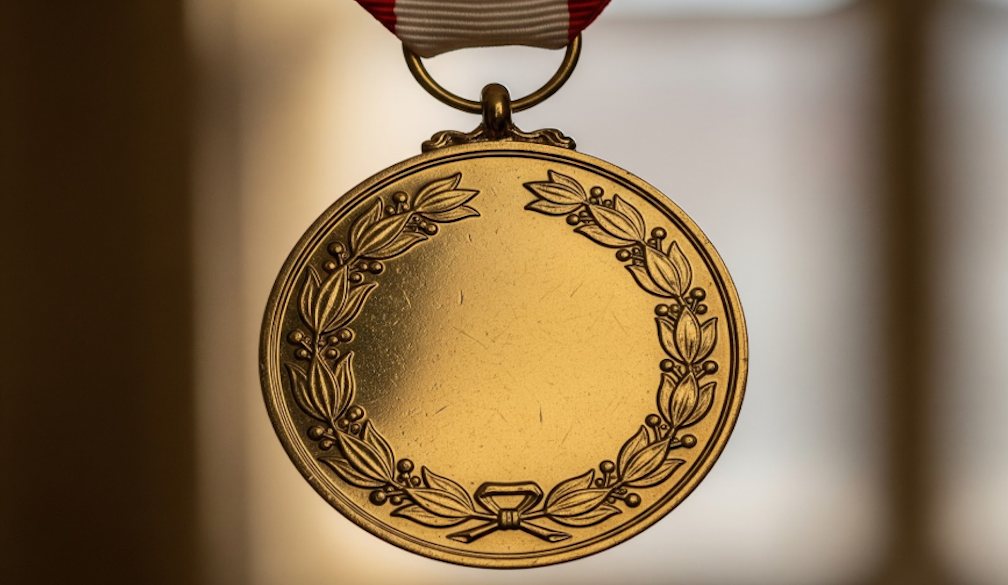
A medal may be small, but the words engraved on it often carry lasting meaning. Whether it’s awarded for a major win, participation, or a special contribution, thoughtful engraving turns a simple medal into something people genuinely value. The best engravings feel personal, clear, and closely tied to the moment being recognised.
Below are practical and creative medal engraving ideas for winners, participants & special awards, suitable for sporting events, schools, community programs, and corporate recognition.
Engraving Ideas for Winners
For winners, engraving should reflect achievement without trying to say too much. Space on medals is limited, so clarity matters more than clever wording.
Common and effective options include:
- Event name and year
- Position or title (for example, “1st Place”, “Champion”, or “Overall Winner”)
- Recipient’s name
- Category or discipline
In competitive events, especially when awarding sport medals, engraving helps turn a podium finish or personal best into a moment that remains meaningful long after the event.
Short phrases can also work well when space allows, such as:
- “Earned, Not Given”
- “Through Skill and Commitment”
- “Excellence in Performance”
Including the event name and year ensures the medal still makes sense years later, even when memories fade.
Engraving Ideas for Participants
Participation medals recognise effort, involvement, and shared experience rather than rank. The engraving should feel encouraging and respectful, without comparing recipients.
Popular approaches include:
- Event name and year
- “Participant” or “Finisher”
- Distance, level, or age group (for races or school events)
Examples of wording include:
- “Proud Participant – 2026”
- “Completed with Commitment”
- “Part of the Journey”
Even simple language can feel meaningful when it acknowledges the effort involved.
Engraving Ideas for Team Events
Team medals benefit from wording that highlights collective effort. Since space is limited, engraving often focuses on the team name rather than individual names.
Common formats include:
- Team name, event, and year
- Division or grade
- A short phrase that reflects unity
Examples include:
- “Stronger Together”
- “One Team, One Goal”
- “United in Effort”
If individual names are not engraved, they can be recognised on certificates or presentation cards.
Engraving Ideas for Special Awards
Special awards often recognise qualities beyond winning, such as leadership, sportsmanship, or dedication. These medals work best when the engraving clearly explains what the award represents.
Ideas include:
- “Outstanding Leadership Award”
- “Excellence in Sportsmanship”
- “Commitment and Integrity”
- “Above and Beyond”
Clear wording ensures the purpose of the award is understood without extra explanation.
Why Tone Matters More Than Length
One common mistake is trying to fit too much text onto a small medal. Overcrowded engravings are harder to read and lose impact. A few well-chosen words usually leave a stronger impression than long sentences.
Before finalising wording, read it aloud and imagine seeing it years later. If the message is still clear and respectful, it’s likely a good choice.
Practical Tips for Better Engraving Results
- Use clean, legible fonts
- Avoid excessive abbreviations
- Keep wording consistent across all medals for an event
- Double-check spelling, dates, and names
- Leave space if medals are part of an annual series
Attention to these details can make a noticeable difference to the finished medal.
Making the Medal Worth Keeping
Good engraving connects a medal to a real moment in time. Whether it marks a win, participation, or a special contribution, the words should respect the effort behind the award. Thoughtful engraving helps ensure medals are remembered not just for how they look, but for what they represent.