


How to Choose the Right Dog Bed and Food for a Healthier Pet
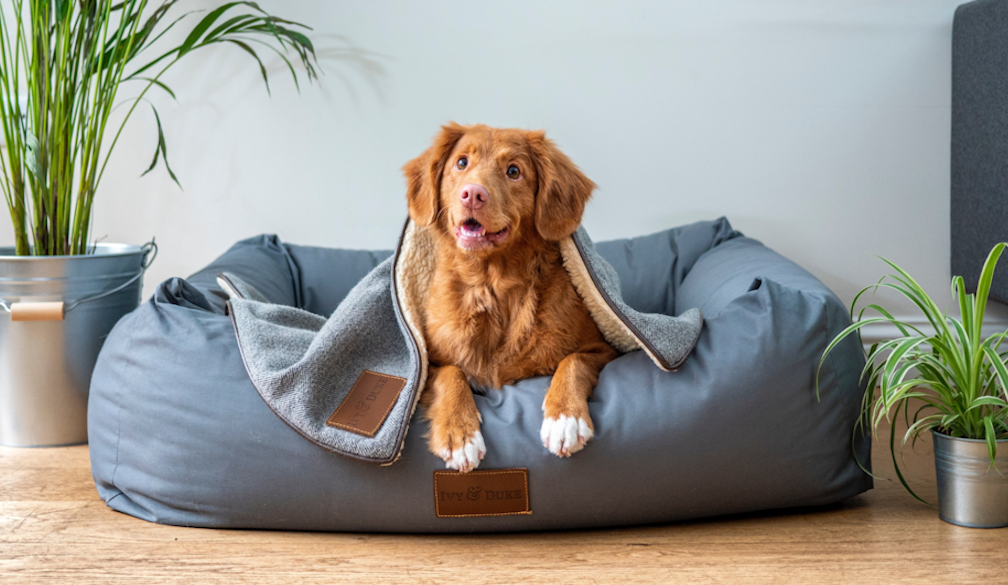
I recently watched my ageing Labrador circle her flat, worn-out cushion three times before giving up and sleeping on the tiles. That same week, I switched her kibble without a transition plan and spent the next morning cleaning up the result.
Two daily basics, bed and bowl, and I'd managed to get both wrong.
If you own a dog in Australia, you're far from alone. In 2025, 73 percent of Australian households had pets and 49 percent had at least one dog, making dogs our most popular companion animal. With cost-of-living pressure rising, smarter choices matter more than expensive guesswork.
A better approach is simple: choose for support and nutrition, then track what changes.
Pick one good bed. Pick one verified food. Then measure comfort, stool quality, and body condition for a month.
Key Takeaways
The right bed and the right food solve more daily problems than most owners expect.
- Choose beds for support and climate. Senior and arthritic dogs do better on padded or orthopedic styles. Heat-prone homes usually suit elevated trampoline beds that let air move underneath.
- Feed to a standard. Look for a clear Association of American Feed Control Officials (AAFCO) statement that says the food is "complete and balanced" for your dog's life stage. Large-breed puppy formulas must also state "including growth of large size dogs (70 lb or more as an adult)."
- Portion by math, then adjust by body condition. Start with the Resting Energy Requirement, or RER, then tune weekly with the World Small Animal Veterinary Association 9-point Body Condition Score, or BCS, aiming for 4 to 5 out of 9.
- Transition new foods over 5-7 days. Track stools with a simple 1-7 fecal score chart and aim for scores of 2 to 3. Slow down if soft stools or vomiting appear.
- Australian risks matter. Summer heat can kill within minutes in a parked car, and east-coast paralysis ticks are a year-round threat in many areas.
What Are Dog Health Essentials for This Guide?
Sleep surface and daily food choices have the biggest effect on comfort, weight, and digestion.
For this guide, dog health essentials are the two basics you control every day: where your dog sleeps and what they eat. They shape weight, mobility, coat condition, stool quality, and long-term comfort.
Dogs sleep about 10 to 12 hours a day and eat one or two meals daily. Consistent quality in bedding and nutrition affects health far more than occasional fixes.
Success is easy to track across three areas: mobility and comfort from the bed, digestion and weight from food, and owner effort in cleaning and budgeting.
Three Big Benefits of Getting Bed and Food Right
When bed and food improve together, dogs move better, digest better, and stay easier to care for.
1. A Longer, Healthier Life Trajectory
A 14-year paired-feeding study of Labradors found that lifelong lean feeding, about 25 percent fewer calories, increased median lifespan by about 1.8 years and delayed chronic disease. Regular body condition checks help owners apply that lesson.
2. Better Mobility and Recovery
Supportive, padded, or orthopedic bedding helps older dogs and dogs with arthritis by reducing pressure on sore joints and improving rest quality. Pair a good bed with ramps and non-slip flooring, and many dogs rise more easily and settle faster after exercise.
3. Fewer Digestive Surprises and Easier Clean-Up
Complete-and-balanced diets and gradual food transitions usually produce steadier stools. You can track this with the Purina fecal scoring chart, a 1-7 scale where scores of 2 to 3 suggest well-formed stools. Washable covers and elevated frames also make mud, fur, and odour easier to manage.
How to Choose a Dog Bed: Australian Checklist
Size the bed to your dog, match the support to their needs, and place it for your climate.
Step 1: Measure and Size Correctly
Measure from nose to base of tail, then check shoulder width. Choose a bed that lets your dog fully stretch out with room to spare. A long, lean dog may need more length than a heavier dog of the same weight.
Step 2: Match Bed Type to Health and Sleep Style
- Bolster or donut beds: Good for cuddlers and anxious dogs, but they can trap heat in summer.
- Orthopedic or memory foam beds: Best for seniors, large breeds, and post-surgery recovery. Choose foam thick enough that it will not bottom out under your dog's weight.
- Elevated or trampoline beds: A strong choice for hot homes and outdoor verandas. Airflow underneath helps keep dogs cooler and off damp ground.
- Crate mats: Useful for travel and short rests. Pick low-profile, tightly woven options for chew-prone dogs.
Step 3: Prioritise Material, Hygiene, and Safety
Choose removable, machine-washable covers and a non-slip base. For chewers, avoid loose zips and exposed filling, and consider an elevated steel-frame bed until the habit settles.
Step 4: Place the Bed for Season and Risk
In summer, move beds away from sunny windows and into shaded, ventilated areas. RSPCA Australia warns that heat can be rapidly fatal, and animals can die within minutes in parked cars. In winter, add extra padding in a warm, dry spot. Along the east coast, do daily tick checks after yard or bush time.
Shop Quality Dog Beds Online
Use your checklist first, then compare products.
Now compare sizes, fabrics, and washability with a clear standard in mind. Prefer Australian-made beds with durable covers, practical stitching, and materials suited to your local weather. If you have already measured your dog, checked the foam or frame, and confirmed the cover is easy to wash, you can confidently shop quality dog beds online to compare options that fit your dog's sleep style and your cleaning routine.
How to Choose Dog Food: Nutrition Essentials
A good food choice starts with a verified standard, not the marketing copy on the front of the bag.
Verify the standard first, then match life stage, set portions, and monitor results. That order prevents the most common feeding mistakes.
Step 1: Verify Nutritional Adequacy on the Label
Find the AAFCO nutritional adequacy statement on the pack. It should confirm the food is "complete and balanced" for a stated life stage, such as adult maintenance or all life stages. For large-breed puppies, the statement must include "including growth of large size dogs (70 lb or more as an adult)."
Words like premium, natural, or gourmet do not prove nutritional quality. The adequacy statement does.
In Australia, the industry also refers to AS 5812, and PFIAA members produce more than 90 percent of prepared pet foods. That context helps, but label reading still matters.
Step 2: Match Life Stage, Size, and Health Status
Puppy, adult, and senior formulas exist for a reason. Small and large breeds have different calorie density and mineral needs, and large-breed puppies should not get extra calcium on top of a suitable growth diet.
A quiet indoor adult and a working dog may need very different amounts. For arthritis, gut issues, or skin disease, ask your vet before choosing a specialised formula.
Step 3: Portion With Math, Then Tune Weekly
Start with the Resting Energy Requirement formula: RER in calories per day equals 70 multiplied by body weight in kilograms raised to the power of 0.75. Split that amount into two meals unless your vet advises otherwise.
Then reassess weekly with the World Small Animal Veterinary Association 9-point Body Condition Score, or BCS. The target for most dogs is 4 to 5 out of 9. Adjust portions 5 to 10 percent up or down until weight and shape stay steady.
Use a kitchen scale when you can. Measuring cups drift, and even small overfills add up. Count treats inside the same total.
Step 4: Transition Over 5-7 Days
Day 1 and 2, feed 75 percent old food and 25 percent new. Day 3 and 4, feed 50-50. Day 5 and 6, feed 25 percent old and 75 percent new. Day 7, feed 100 percent new food.
Slow the change if stools soften or vomiting appears. Sensitive dogs may need longer. Avoid changing treats and toppers at the same time.
Step 5: Spot Red Flags and Avoid Common Toxins
Seek veterinary care for persistent vomiting, diarrhoea, lethargy, or blood in the stool. Sudden loss of appetite, repeated retching, or a swollen belly also needs prompt attention. RSPCA Australia warns against grapes, raisins, onions, garlic, chocolate, and xylitol.
This is also the point to compare pack sizes, calorie density, and retailer reliability, because a formula that fits your dog's needs still has to work in real life.
Shop Dog Food Purina Online
Once the label checks out, compare formulas by life stage and health goal.
The Animal Pharmacy stocks the full Purina Pro Plan range sorted by age, size, and health condition. After you have checked the adequacy statement, matched the formula to life stage, and confirmed the feeding guide fits your budget, portion plan, and your dog's current needs, you are finally ready to shop dog food purina online to compare formulas and pricing from a trusted Australian retailer.
Your 7-Day Bed and Bowl Transition Plan
Small changes, tracked daily, are easier on the gut and easier to judge.
Change one variable at a time and track three signals: body condition, stool quality, and sleep comfort.
- Day 1-2: Introduce the new bed for evening use only. Start the 75/25 food mix. Record baseline BCS and stool score.
- Day 3-4: Move the bed to its final location. Switch to a 50/50 food mix. Note sleep quality and any morning stiffness.
- Day 5-6: Move to a 25/75 food mix. Wash the bed cover once to confirm fit and ease. Keep total daily calories steady, including treats.
- Day 7: Feed 100 percent new food. Re-score BCS and stools. Adjust portions if BCS is not 4 to 5 or stools sit outside 2 to 3.
How to Track Results Over 4-6 Weeks
Simple weekly checks tell you whether the new setup is helping.
Use objective markers so you are not guessing.
- Weight and BCS: Weigh weekly. Aim for stable weight at BCS 4 to 5 out of 9, or gradual loss if your dog started overweight.
- Stool quality: Use the Purina fecal score and aim for 2 to 3 most days.
- Sleep and comfort: Adult dogs average 10 to 12 hours of sleep daily. Fewer position changes and easier morning rises suggest better rest.
- Mobility and seasonal notes: Track post-exercise stiffness. In east-coast zones, keep doing daily tick checks and keep bedding clean and dry.
Four to six weeks is enough to spot a trend. If comfort worsens, weight shifts quickly, or stools stay poor, reassess sooner.
Make Healthy Habits Stick
Routine matters more than perfection.
Place the bed where your dog already likes to settle, not where it looks tidiest. Feed at the same times each day. Log weekly BCS and stool scores in a phone note. Wash covers on a regular rotation, and revisit portions whenever activity changes.
If more than one person feeds the dog, set one daily total.
FAQ
These are the questions owners ask most after changing a bed or food.
How Often Should I Replace a Dog Bed?
Replace a bed when the foam no longer springs back, the cover cannot be cleaned well, or the structure shows damage. For most beds, that means every one to two years, depending on use and wash frequency. Elevated frames with replaceable mesh can last longer.
Do Grain-Free Diets Help With Itchy Skin?
Not necessarily. True food allergies are less common than environmental allergies in dogs. If you suspect a food allergy, work with your vet on a proper elimination diet instead of switching to grain-free without a plan.
What Is the Ideal Sleeping Temperature for Dogs in Australian Summers?
Most dogs stay comfortable between 18 and 24 degrees Celsius. In hotter weather, use elevated beds for airflow, provide constant fresh water, and place bedding in shaded, ventilated areas. Never leave a dog in a parked vehicle.
My Large-Breed Puppy Seems Hungry, Can I Increase Food if BCS Is Ideal?
If your puppy's BCS sits at 4 to 5 out of 9, resist the urge to add more food without checking the full picture. Overfeeding large-breed puppies can speed growth and raise the risk of skeletal problems. First confirm that you are feeding a suitable large-breed puppy formula.
How Do I Know if a Supplement Is Necessary?
Most dogs eating a diet with a verified AAFCO complete-and-balanced statement do not need extra supplements. Unplanned add-ons can create nutrient imbalance. Speak with your veterinarian before adding joint, skin, or digestive products.
Conclusion
Consistency beats constant switching.
With one supportive bed, one verified complete food, and a simple tracking routine, you can usually spot changes in comfort, stool quality, and weight within a month. Recheck body condition every few months and adjust portions as seasons, activity, and age change. The best dog health essentials are not complicated, but they do need to stay consistent.










