


Supporting Greater Independence Through Better Housing Design
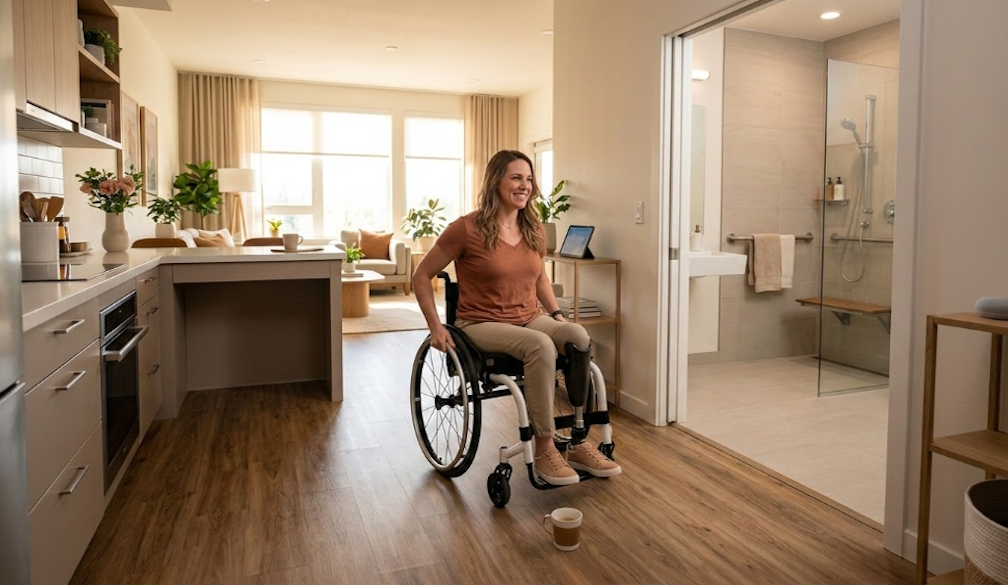
The built environment plays a profound role in shaping the daily realities, personal dignity, and overall autonomy of individuals living with significant functional impairments. For many decades, standard residential architecture across Australia was constructed with a rigid, one size fits all approach, featuring narrow hallways, stepped entryways, and inaccessible bathroom configurations. For individuals with high support needs, these structural barriers routinely transformed basic everyday tasks into complex, exhausting challenges that demanded continuous third party intervention. This traditional reliance on restrictive housing layouts often left vulnerable individuals with minimal choice or control over their immediate living environments.
In recent years, a major shift has transformed the disability sector, highlighting the vital link between inclusive architecture and personal empowerment. Modern specialised property design recognises that a home should actively adapt to the unique functional requirements of its residents, rather than forcing individuals to navigate hazardous or limiting conditions. By removing physical obstructions and integrating responsive internal design strategies, specialised housing layouts serve as a structural foundation that allows participants to minimise their dependence on continuous physical assistance and manage their daily routines with genuine self reliance.
The construction of high performance accessible housing requires a deep departure from mainstream building practices, relying on precision engineering to satisfy strict legislative frameworks. Under national regulatory guidelines, particularly the rigorous Specialist Disability Accommodation design standards, properties are meticulously classified into distinct operational categories. These include improved liveability, fully accessible formats, high physical support layouts, and robust configurations. Each specific design framework utilises unique material treatments and specialised spatial geometries to address varying cognitive, sensory, or physical processing requirements.
In a fully accessible or high physical support environment, the physical footprint is carefully optimised to ensure completely fluid mobility throughout the premises. Stepped thresholds are eliminated entirely in favour of smooth, continuous level transitions that connect internal living zones with open air external spaces. Hallways and doorways are built with expanded clearances to allow heavy power wheelchairs to rotate without scraping walls or door frames. Kitchen areas feature height adjustable benchtops, open knee clearances beneath sinks, and side opening ovens positioned at optimal levels, transforming meal preparation from a hazardous task into an accessible, independent activity.
Beyond structural spatial design, the seamless inclusion of heavy duty assistive technologies and smart automation defines modern specialty housing. Bathrooms are engineered with reinforced ceiling frameworks to facilitate the immediate or future installation of continuous overhead hoists, allowing for dignified, safe transfers between bedrooms and wet areas. Walls are strategically lined with heavy internal blocking to securely support grab rails exactly where needed, preventing accidental falls while preserving structural longevity under heavy daily use.
Furthermore, digital home automation plays an essential role in expanding a participant's personal boundaries. Modern properties utilise integrated environmental control networks that allow individuals to operate automated doors, window coverings, internal lighting, and climate controls through touchscreens, voice commands, or specialised switches. This technological framework delivers an exceptional level of personal control, enabling a resident to secure their home, adjust their comfort levels, or communicate instantly with support teams entirely on their own terms.
Navigating the highly regulated path of specialised property development and finding the ideal vacancy requires deep expertise across the NDIS landscape. For participants, family members, and support coordinators looking to secure a tailored long term home, partnering with a registered sda accommodation provider ensures that the property fully complies with complex government building standards. Experienced housing organisations manage the complete pipeline, working closely with builders, certifiers, and participants to match individual support profiles with perfectly aligned physical spaces.
Ultimately, shifting away from outdated residential formats in favour of highly optimised, expertly engineered living spaces radically alters a participant's developmental path. By removing the daily physical friction that compromises personal safety, advanced housing frameworks allow individuals to step into a lifestyle defined by choice, security, and community inclusion. Investing in professional, custom tailored housing design does not simply provide a physical shelter, it delivers a beautiful, resilient sanctuary where individuals can live with maximum dignity and absolute peace of mind for many years to come.










