


Emergency Plumbing Kits: What Every Household Should Have
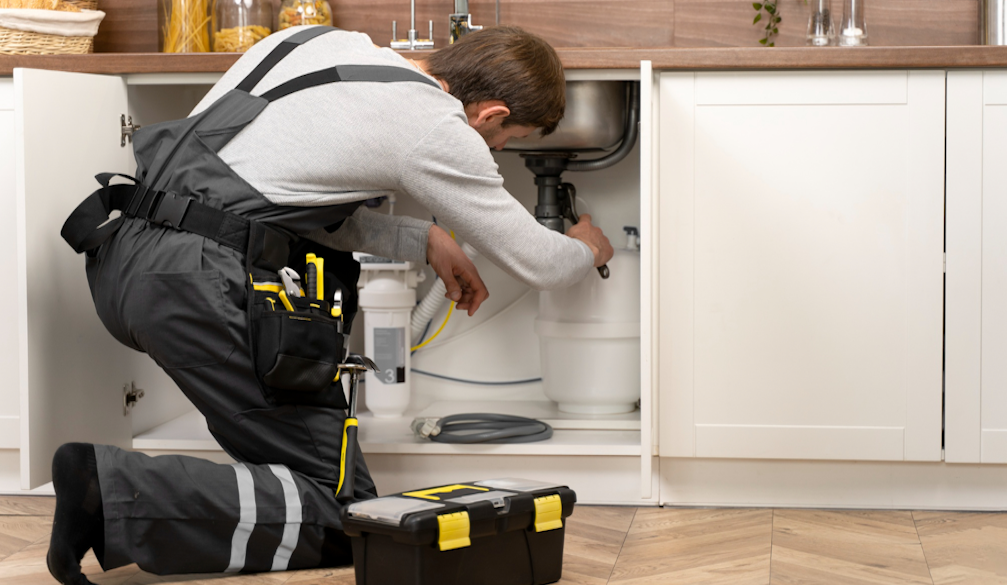
Let's face it, plumbing problems rarely arrive at a convenient time. A leaking tap may be manageable during the day, but a burst pipe, blocked toilet, or sudden hot water failure can quickly become stressful, especially when it's outside normal business hours.
For Canberra households, where cold winters, older homes, newer developments, and seasonal stormwater pressure can all place strain on plumbing systems, preparation is a practical way to help reduce the risk of any damage before professional help arrives.
An emergency plumbing kit is not designed to replace a licensed plumber. Instead, it gives homeowners and tenants the basic tools and supplies needed to help control water, limit any damage, and make the situation much safer.
Having the right items on hand can also make it easier to explain the issue clearly when calling an emergency plumber Canberra residents can rely on for urgent repairs.
Why Every Canberra Household Needs an Emergency Plumbing Kit
How Canberra’s climate can affect household plumbing
Canberra’s climate can be tough on household plumbing. Cold winter nights may put pressure on exposed pipes, outdoor taps, and irrigation connections, particularly in homes that have poorly insulated plumbing.
During warmer months, your outdoor watering systems, garden taps, and stormwater drains may see heavier use. These seasonal changes can reveal where weak fittings, worn seals, blocked drains, or small leaks exist that have gone unnoticed.
An emergency plumbing kit can help households respond quickly when these problems appear. A small drip under the sink can become a larger leak if it’s ignored, while a blocked toilet can create nasty hygiene risks if there is no backup bathroom available.
Being prepared does not mean attempting to do complex repairs. It means having the basics required to contain the issue and prevent it from escalating before a qualified professional can assess it.
Why quick action can reduce water damage
Water damage can spread faster than many people expect. A leaking pipe beneath a vanity, laundry tub, or kitchen sink can quickly soak cabinetry, flooring, skirting boards, and nearby walls creating havoc and damage.
If the leak occurs upstairs or near electrical fittings, the risks become even more serious. The first few minutes often matter most, which is why every household should know where their key shut-off valves are located.
And don’t forget, a well-stocked emergency plumbing kit should sit somewhere easy to access, not buried behind tools in the garage or garden shed. When a plumbing issue starts, the goal is to stop or slow the flow of water, protect the surrounding surfaces, and avoid any unsafe contact with sewage or electrical hazards.
In many cases, this early action can reduce repair costs and make the job easier for an emergency plumber in Canberra whom homeowners then contact for urgent assistance.
Essential Tools for an Emergency Plumbing Kit
Adjustable wrench and multi-grip pliers for urgent repairs
An adjustable wrench is one of the most useful tools in any plumbing kit. It can help tighten loose fittings, disconnect flexible hoses, and adjust nuts beneath sinks or around taps.
Multi-grip pliers are equally helpful because they can grip a wide range of shapes and sizes, making them useful for awkward fittings or small components that are difficult to move by hand.
These tools should be sturdy, comfortable to hold, and kept dry to prevent any risk of rust setting in. Cheap tools may bend or slip under pressure, which can make a problem much worse or even cause injury.
A household does not need a professional-grade toolbox, but it should have reliable tools suitable for basic emergency control.
Plunger options every Canberra home should keep nearby
A plunger is simple, affordable, and often effective for minor blockages. However, not all plungers are the same. A cup plunger is usually best for sinks, showers, and baths because it seals against flat surfaces.
A toilet plunger, often called a flange plunger, has an extended rubber section designed to create a better seal inside a toilet bowl.
Keeping both types in the home is worthwhile. A blocked toilet can quickly become urgent, especially in a family home or a property with only one bathroom. Using the correct type of plunger can clear some minor blockages without the need for chemicals or having to dismantle any fittings. If repeated plunging does not work, or if water begins backing up elsewhere, it is time to stop and call a licensed plumber.
Pipe wrench, screwdrivers, and utility knife basics
A small pipe wrench can be useful for gripping round plumbing components, although it should be used carefully to avoid damaging visible fittings. Flathead and Phillips head screwdrivers are also essential for removing access panels, tightening tap handles, or adjusting simple fixtures.
A utility knife can help cut tape, open packaging, trim temporary repair materials, or remove worn sealant in a controlled way.
These items may seem basic, but emergencies are often made worse when people waste time searching for everyday tools. Keeping them together in a dedicated plumbing kit means the household can respond calmly rather than improvising with unsuitable equipment.
Plumbing Repair Supplies Every Household Should Have
Plumber’s tape and pipe repair tape for temporary fixes
Plumber’s tape, also known as thread seal tape, is useful for improving seals on threaded fittings. It is commonly used around shower heads, tap fittings, and some small connections where water may seep through threads.
Pipe repair tape, on the other hand, is designed as a temporary wrap for minor pipe leaks. Some types bond tightly when stretched and wrapped correctly.
These products are not permanent solutions for damaged plumbing. Their value lies in slowing a leak until professional repairs can be completed. When using tape, surfaces should be as clean and dry as possible, and the repair should be monitored closely. Any temporary fix should be mentioned when speaking with an emergency plumber in Canberra, so the plumber knows what has been applied before arrival.
Leak sealing putty and epoxy for small pipe issues
Leak sealing putty or epoxy can help manage small leaks in certain situations. These materials are often moulded around a minor crack, joint, or pinhole to create a temporary barrier. They are particularly useful when water has been shut off, and the pipe surface can be dried first. Some products are designed for wet conditions, but results depend on the severity and location of the leak.
Households should read product instructions before an emergency happens. Waiting until water is spreading across the floor is not the best time to learn how curing times, surface preparation, or safety precautions work. These supplies should be treated as a short-term measure, not a substitute for pipe replacement or proper repair.
Spare washers, O-rings, and tap parts for common leaks
Many household leaks begin with worn washers, O-rings, or small tap components. A dripping tap may not seem urgent, but it can waste water and may indicate that internal parts are deteriorating. Keeping a small assortment of common washers and O-rings can be useful for simple tap issues, particularly in older homes.
That said, tapware varies widely. Not every washer or cartridge will fit every fixture, and some modern mixer taps require specific replacement parts. A small supply of common items may help in basic situations, but households should avoid forcing parts into place. If a leak continues after a simple replacement, professional help is the safer option.
Emergency Plumbing Kit Items for Blocked Drains and Toilets
Drain snake and hand auger essentials
A basic drain snake or hand auger can help clear minor blockages in sinks, showers, and some drains. These tools work by physically breaking up or retrieving debris such as hair, soap residue, or small obstructions. They are often more effective and less harsh than chemical drain cleaners.
Care is important when using any drain-clearing tool. Pushing too aggressively can damage pipes, especially older pipework or delicate fittings. If multiple drains are blocked at once, or if sewage odours are present, the problem may be deeper in the system. In that case, household tools are unlikely to solve the issue.
Safe drain maintenance products to keep at home
Drain maintenance should focus on prevention rather than harsh chemicals. Simple items such as sink strainers, drain covers, rubber gloves, and a bucket can make a significant difference. Enzyme-based drain maintenance products may also be suitable in some homes, depending on the plumbing system and manufacturer's instructions.
Strong chemical drain cleaners should be used with caution. They can damage pipes, create fumes, and pose risks if they splash onto skin or surfaces. They may also make the job more dangerous for a plumber if the blockage remains. For stubborn blockages, it is usually safer to avoid repeated chemical use and contact a local emergency plumber for proper diagnosis.
Emergency Plumbing Supplies for Leaks and Burst Pipes
How pipe clamps can help control a burst pipe
Pipe repair clamps are useful for temporarily controlling certain leaks. They usually include a rubber section and a metal clamp that tightens around the damaged area. When fitted correctly, they can reduce or stop water escaping from a small split or hole until the damaged pipe can be repaired or replaced.
A pipe clamp is only effective when it matches the pipe size, and the damaged section is accessible. It will not solve every burst pipe situation. Still, keeping a few common sizes in a household kit can be worthwhile, especially in homes with exposed pipework in laundries, garages, under sinks, or outdoor areas.
Why knowing your water shut-off valve matters
The most important part of any emergency plumbing response is knowing how to turn off the water. Every household member who is old enough should know where the main shut-off valve is located and how to use it.
In many properties, there may also be isolation valves beneath sinks, behind toilets, near dishwashers, or close to hot water systems.
Labelling these points can save valuable time during an emergency. A simple tag or waterproof label can help visitors, tenants, or family members act quickly if the usual decision-maker is not home. Once the water is off, the household can focus on containing water already released and calling for professional assistance.
Seasonal Plumbing Kit Considerations for Canberra Homes
Preparing for colder weather and pipe stress
Before winter, Canberra households should check outdoor taps, exposed pipes, and hoses. Insulation sleeves, tap covers, and basic weatherproofing supplies may help reduce stress on vulnerable areas. Garden hoses should be disconnected when not in use, and outdoor fittings should be checked for small leaks or corrosion.
Inside the home, it is sensible to inspect under-sink areas, laundries, and bathrooms for signs of moisture, staining, swelling, or mould. These early warning signs can suggest hidden leaks or poor ventilation. A plumbing kit supports emergency response, but routine inspection helps prevent emergencies from occurring in the first place.
Stormwater and drainage items to keep accessible
Heavy rain can reveal blocked gutters, overflowing drains, and poor surface water flow around a property. While roof and stormwater systems may require specialist attention, households can still keep basic items ready. A torch, gloves, bucket, wet-dry towels, and a safe scoop for clearing visible debris can help manage minor issues.
It is important not to lift heavy drain covers, enter confined spaces, or attempt repairs in dangerous weather. Stormwater problems can involve slippery surfaces, unstable ground, and contaminated water. If water is entering the home or pooling near electrical areas, safety should come before any attempt at DIY control.
How to Store and Maintain an Emergency Plumbing Kit
Where to keep plumbing tools for fast access
An emergency plumbing kit should be stored in a dry, easy-to-reach location, such as a laundry cupboard, garage shelf, or utility area. It should be kept in a clearly labelled container so it can be found quickly. If the home has multiple levels, it may be useful to keep basic items such as towels, gloves, and a plunger near bathrooms as well.
The kit should not be mixed with general household clutter. When a plumbing emergency occurs, speed and clarity matter. Keeping tools, tapes, clamps, gloves, and absorbent materials together helps reduce panic and prevents unsafe improvisation.
Checking expiry dates and replacing used supplies
Some plumbing supplies degrade over time. Adhesives, epoxy, rubber washers, gloves, and tapes can dry out, harden, or lose effectiveness. Households should check the kit every few months and replace anything damaged, expired, or used during a previous incident.
It is also useful to keep a simple checklist inside the kit. This might include the location of shut-off valves, the number for a Canberra emergency plumber, and basic first steps such as turning off water, avoiding electrical hazards, and documenting visible damage for insurance purposes.
When a Plumbing Kit Is Not Enough
Signs you should stop and call a licensed plumber
A household plumbing kit is suitable for temporary control, not complex repair. Professional help is needed when there is a burst pipe, sewage backup, repeated blockage, major leak, no hot water, water near electrical fittings, or signs of structural water damage. If the cause is unclear, continuing to dismantle fittings can make the situation worse.
Licensed plumbers have the tools and training to diagnose problems properly. They can identify whether a blockage is local or deeper in the system, whether a pipe needs replacement, or whether pressure issues are affecting multiple fixtures. Temporary household repairs should always be treated as a bridge to proper work, not the final answer.
Electrical risks, sewage issues, and major water leaks
Some plumbing emergencies are not safe for household intervention. Water near power points, switchboards, appliances, or lighting should be treated as dangerous. Sewage overflows also require caution because they may contain harmful bacteria and contaminants. In these cases, the safest response is to avoid contact, isolate the area where possible, and seek urgent professional help.
A practical kit can limit damage, but it cannot remove all risk. Knowing when to stop is just as important as knowing what tools to use. Canberra households that prepare in advance are better placed to act calmly, protect their property, and communicate clearly with the plumber who attends.
Final Thoughts on Emergency Plumbing Kits for Canberra Households
An emergency plumbing kit is a simple investment that can make a meaningful difference during stressful household situations. With essential tools, temporary repair supplies, absorbent materials, safety gear, and clear shut-off information, homeowners and tenants can reduce damage while waiting for professional support.
For Canberra households, preparation should reflect local conditions, including cold weather, outdoor plumbing use, and stormwater pressure. The goal is not to become a plumber, but to respond quickly and safely when something goes wrong. By keeping a well-maintained kit and knowing when to call an emergency plumber Canberra residents know they can trust, households can therefore handle plumbing emergencies with far more confidence.










