Coles Supermarkets: Consumers Outraged at Federal Court Judgment — “Bargains Were Not Bargains”
- Written by: The Times
Australian shoppers are expressing frustration and anger after a major Federal Court judgment involving supermarket pricing practices, with many consumers arguing that advertised discounts were not genuine bargains at all.
The case has reignited debate about transparency in retail pricing, the power of Australia’s supermarket giants, and whether ordinary households can trust the red “special” tickets lining supermarket aisles.
At the centre of the controversy are allegations that products were promoted as discounted items after prices had previously been increased, creating the impression of a meaningful saving when the actual price reduction was far less substantial than consumers believed.
For many Australians already battling rising living costs, mortgage stress and stubbornly high grocery bills, the ruling has become symbolic of a broader feeling that the system is tilted against everyday shoppers.
The Allegations
The proceedings examined promotional pricing practices in which items were advertised as being “on special” or discounted from a higher reference price.
Consumer advocates argued that some of those reference prices had only existed briefly, or had followed earlier price increases, meaning shoppers may have been misled into believing they were securing major savings.
The issue touches on a simple but emotionally powerful question:
What actually counts as a bargain?
For consumers, a bargain traditionally means paying materially less than the usual long-term price. Critics argue that temporary price hikes followed by “discounts” undermine that expectation.
Shoppers across social media reacted strongly after news of the judgment spread, with many saying the ruling confirmed suspicions they had held for years.
Australians increasingly track supermarket prices carefully, particularly families balancing rent or mortgage repayments, childcare costs, petrol expenses and utility bills.
A growing number now use comparison apps, loyalty programs and catalogues to monitor whether “specials” genuinely represent savings.
Grocery Bills Have Become a National Anxiety
The emotional reaction to the judgment reflects more than pricing law.
Food affordability has become one of Australia’s major household concerns.
Even middle-income families increasingly describe supermarket shopping as stressful rather than routine.
Items once considered inexpensive staples — meat, dairy products, cooking oils, coffee, snacks and cleaning products — have experienced notable price rises in recent years.
Consumers are therefore paying closer attention than ever before to advertised discounts.
When shoppers believe those discounts are illusory, trust can erode quickly.
Many Australians now enter supermarkets with calculators on their phones, strict shopping lists and fixed weekly budgets.
The perception that promotions may not be genuine risks deepening public cynicism toward large retailers.
Coles and the Supermarket Landscape
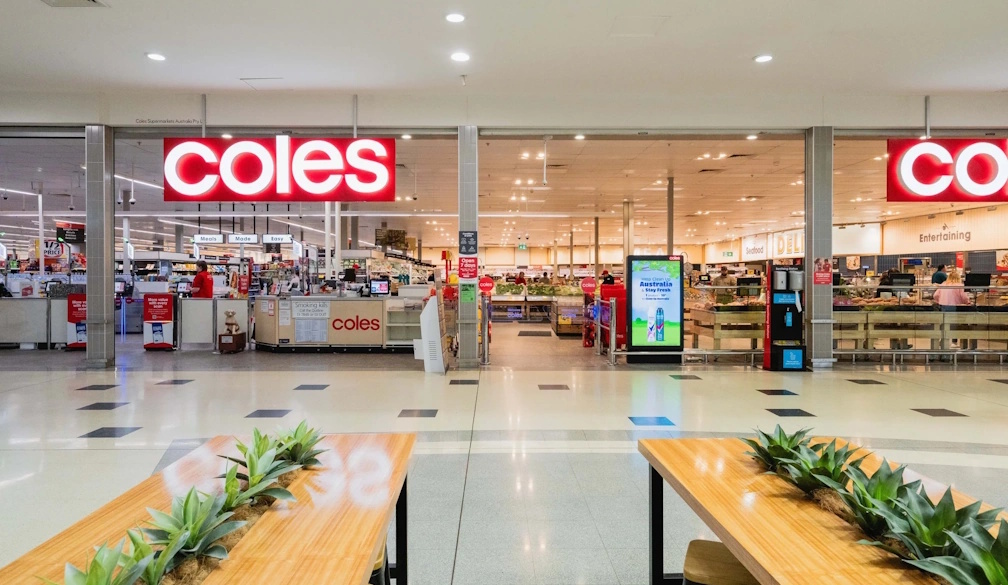
Coles Group remains one of Australia’s dominant supermarket operators alongside rival Woolworths Group.
Together, the major supermarket chains exert enormous influence over food pricing, supplier negotiations and retail competition nationwide.
Defenders of the large chains argue that operating costs have increased substantially due to freight, labour, energy prices and global supply chain pressures.
Supermarkets also point to intense competition, weekly specials and loyalty programs as evidence they continue to deliver value to consumers.
Retail analysts note that modern supermarket pricing is highly dynamic. Prices can change rapidly based on supplier agreements, inventory levels, seasonal factors and competitive pressures.
However, critics argue that complexity should not come at the expense of clarity.
If consumers cannot easily determine whether a sale price is genuinely cheaper than the normal long-term price, confidence in promotional advertising may suffer.
Why Consumers Feel Emotional About Supermarkets
Australians interact with supermarkets more frequently than almost any other major business category.
Unlike luxury retail or discretionary spending, groceries are unavoidable.
Every family needs food.
That creates a unique emotional relationship between supermarkets and the public.
When households feel financially pressured, supermarket pricing becomes deeply personal.
A discounted television or discounted handbag may be optional. Bread, milk, meat and vegetables are not.
The anger emerging after the judgment reflects the reality that many Australians feel trapped between rising wages costs for businesses, inflation pressures and shrinking household budgets.
Consumers increasingly expect supermarkets to demonstrate fairness, transparency and honesty in pricing practices.
The Legal and Regulatory Debate
The judgment is also likely to intensify calls for stronger oversight of supermarket conduct in Australia.
Questions being asked include:
- Should retailers face stricter rules about how discounts are advertised?
- How long should a product remain at a higher price before a discount can legitimately be promoted?
- Should supermarkets disclose longer-term average pricing history?
- Are current consumer protection laws sufficient?
Consumer groups have argued that regulators should have greater powers to examine promotional pricing structures across the retail sector.
Meanwhile, business groups warn against excessive regulation, arguing that overly restrictive rules could increase compliance costs and ultimately raise prices further.
The debate highlights the difficult balance between protecting consumers and allowing retailers operational flexibility in a competitive market.
The Psychological Power of “Specials”
Retail pricing experts have long understood the psychological impact of discount marketing.
Bright sale tags, percentage reductions and limited-time promotions strongly influence purchasing decisions.
Many shoppers instinctively respond to perceived urgency or savings opportunities.
This is not unique to supermarkets. The strategy is used globally across fashion, electronics, travel and online retail sectors.
However, groceries occupy a more sensitive category because consumers purchase them constantly and rely on them for basic living.
If trust in supermarket promotions weakens, shoppers may become more sceptical overall, reducing the effectiveness of future sales campaigns.
What Happens Next?
The fallout from the judgment may continue well beyond the courtroom.
Consumer advocates are likely to push for tighter standards around promotional pricing.
Politicians may also become involved as cost-of-living pressures remain one of Australia’s defining political issues.
Meanwhile, shoppers themselves are changing behaviour.
Australians are increasingly:
- comparing unit pricing,
- shopping across multiple supermarkets,
- buying in bulk during genuine specials,
- shifting toward discount retailers,
- and using independent grocers where possible.
Some households are even reducing impulse purchases entirely and focusing only on essentials.
The supermarket sector now faces a broader challenge than legal compliance alone.
It faces a confidence challenge.
For many Australians, the real issue is not simply whether a pricing practice technically complied with the law.
It is whether ordinary consumers believed they were getting an honest deal.
And judging by the public reaction, many Australians have concluded that some “specials” may not have been special at all.
What Can Australians Do to Avoid Being Tricked?
Consumer advocates say Australians should become more disciplined and sceptical shoppers rather than assuming every red sale ticket represents genuine value.
Experts recommend tracking the regular prices of commonly purchased items, comparing unit pricing rather than package pricing, and using supermarket apps and catalogues to monitor long-term price trends.
Many shoppers now deliberately buy household staples only when discounts appear genuinely substantial and consistent with historical pricing.
Consumers are also encouraged to compare prices between competing supermarkets, independent grocers, warehouse retailers and online sellers before assuming a promoted item is the cheapest option available.
Perhaps the most effective defence is psychological rather than technological.
Retail promotions are designed to trigger urgency and emotion. Australians who shop with a written list, fixed budget and willingness to walk away from questionable “specials” are less likely to overspend.
In an era of rising living costs, informed consumers may ultimately become the most powerful force keeping retailers honest.