Travel Trends: Where Are Australians Going in 2026?
- Written by: The Times

For Australians, travel has always been more than just a holiday. It is a cultural habit, a reward for hard work and, increasingly, a reflection of changing lifestyles and global trends. As 2026 unfolds, the patterns of where Australians are travelling—and why—are shifting again.
From the beaches of Southeast Asia to the remote landscapes of Australia’s own outback, a new generation of travel trends is emerging. The post-pandemic rebound in global tourism has matured into something more nuanced: travellers are now chasing meaningful experiences, value for money, and destinations that offer both adventure and authenticity.
So where are Australians heading in 2026? The answer is a fascinating mix of familiar favourites, rising destinations and a renewed appreciation for the country’s own backyard.
The Old Favourite That Refuses to Fade: Bali and Indonesia
Despite talk every few years that Bali’s popularity might decline, the Indonesian island remains firmly at the top of Australians’ travel lists.
Recent statistics show Indonesia accounts for around 14 per cent of all overseas trips by Australians, making it the most popular international destination for Australian travellers.
The reasons are straightforward: proximity, affordability and familiarity. Bali offers Australians a holiday that is just a short flight away but feels completely different from home. Resorts, surf beaches, vibrant nightlife and luxury villas continue to attract travellers from Sydney, Melbourne, Brisbane and Perth.
In 2026, however, many Australians are also exploring less crowded Indonesian islands such as Lombok, the Gili Islands and Flores. These destinations provide a similar tropical atmosphere but with fewer crowds and a stronger focus on eco-tourism.
Japan’s Tourism Boom
If there is one destination that has surged in popularity with Australians over the past decade, it is Japan.
Travel agencies report that Tokyo, Osaka and Kyoto are among the most requested destinations, driven by improved flight connections, favourable exchange rates and the country’s unique blend of tradition and technology.
Japanese ski resorts such as Niseko and Hakuba have also become winter playgrounds for Australians. The country’s famed powder snow attracts thousands of skiers and snowboarders each year.
Beyond skiing, Japan offers something increasingly important to modern travellers: cultural depth. From ancient temples and tea ceremonies to futuristic robotics cafés and world-class cuisine, it is a destination that feels endlessly discoverable. Travellers planning a visit can explore things to do in Japan to uncover experiences that match different interests, seasons and travel styles.
Southeast Asia’s Rising Stars
While Bali and Thailand remain staples, Australians are increasingly branching out across Southeast Asia.
According to travel booking data, Vietnam and Malaysia are among the fastest-growing destinations for Australians in 2026, with cities such as Nha Trang and Kuala Lumpur gaining attention.
Vietnam in particular has emerged as a favourite due to its mix of beaches, historic cities and extraordinary food culture. Destinations like Da Nang, Hoi An and Phu Quoc are rapidly becoming mainstream choices for Australian travellers seeking something new.
Malaysia’s capital Kuala Lumpur is also attracting Australians thanks to its modern infrastructure, vibrant street food scene and easy connections to nearby islands such as Langkawi and Penang.
The Enduring Appeal of New Zealand
Closer to home, New Zealand remains a perennial favourite.
The country consistently ranks among the top destinations for Australians travelling overseas, offering stunning natural landscapes and easy travel arrangements without language barriers.
From Queenstown’s adventure sports to the geothermal wonders of Rotorua and the vineyards of Marlborough, New Zealand continues to attract Australians looking for outdoor experiences.
The popularity of campervan holidays and road trips has also strengthened trans-Tasman travel, particularly among families and retirees.
Domestic Travel Is Still Strong
While international travel has fully rebounded, Australians have not abandoned domestic holidays.
In fact, regional destinations are enjoying a renaissance as travellers rediscover the diversity of Australia itself.
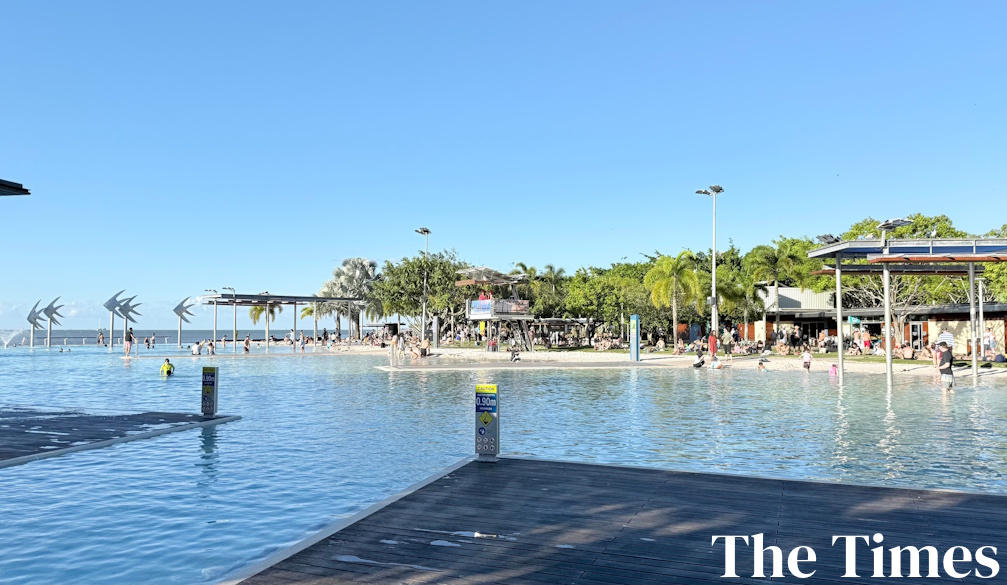
Queensland is widely tipped to be one of the most popular domestic travel destinations in 2026, with locations such as Cairns, the Sunshine Coast and Port Douglas attracting strong visitor numbers.
Beach destinations remain especially popular. Surveys show the Gold Coast, Sydney and Melbourne are among the most visited cities for Australian holidays, with coastal towns also gaining momentum.
Tasmania is another state experiencing strong tourism growth, supported by new events, infrastructure and increasing accommodation bookings.
The Rise of “Slow Travel”
One of the most noticeable changes in travel behaviour is the rise of what industry experts call “slow travel.”
Rather than packing multiple destinations into a single trip, Australians are increasingly choosing smaller towns and longer stays.
Regional towns such as Huskisson in New South Wales, Nagambie in Victoria and Robe in South Australia are gaining attention as travellers seek peaceful locations away from crowded tourist hubs.
The appeal is simple: relaxation, authenticity and the chance to experience a place rather than simply passing through it.
Adventure and Fitness Holidays
Another emerging trend is the growing popularity of active travel.
In 2026, travel is no longer just about relaxation. Increasingly, Australians are building holidays around physical activities such as hiking, cycling, surfing and even marathon events.
Travel analysts describe the trend as “sweat-jetting,” where travellers plan trips around fitness challenges or outdoor adventures.
Popular destinations for these kinds of holidays include Patagonia, the European Alps, New Zealand and the national parks of North America.
For many Australians, travel is becoming an opportunity for personal achievement as well as leisure.
Expedition Cruising and Remote Destinations
Luxury and expedition cruising are also experiencing a surge in popularity.
Travel industry forecasts indicate that expedition cruises—particularly to Antarctica and the Arctic—are among the fastest growing travel experiences for Australians.
These journeys offer travellers access to remote environments that were once the domain of scientists and explorers.
Closer to home, cruise lines are also expanding routes across the South Pacific, taking Australians to destinations such as Fiji, Vanuatu and the islands of French Polynesia.
Personalised Travel Experiences
Another major shift is the demand for personalised experiences.
Surveys show that many Australians now design trips that reflect personal interests, whether that involves literature, cultural exploration or meeting new people.
Travel companies are responding with highly customised itineraries that might include cooking classes in Italy, temple stays in Japan or wildlife conservation experiences in Africa.
The traditional “package holiday” is gradually giving way to bespoke adventures.
The Outlook for Australian Travel
Despite rising airfares driven by large airport infrastructure investments, demand for travel remains strong.
Australians are travelling more frequently and exploring a wider range of destinations than ever before. Asia remains the dominant international region, domestic tourism continues to thrive, and new forms of travel—adventure, wellness and cultural immersion—are reshaping how holidays are planned.
In short, 2026 is shaping up to be a year of exploration.
Australians are still heading to the beaches of Bali and the ski slopes of Japan, but they are also discovering remote towns, chasing adventure in the wilderness and seeking travel experiences that mean something more than simply ticking destinations off a list.
The Australian traveller, it seems, is becoming more curious—and more adventurous—than ever before.
Image credit - Australia's Will Rogers in Positano by Nina Jackson