Australia's Property Slump Is Real — And It May Be Far From Over
- Written by: The Times
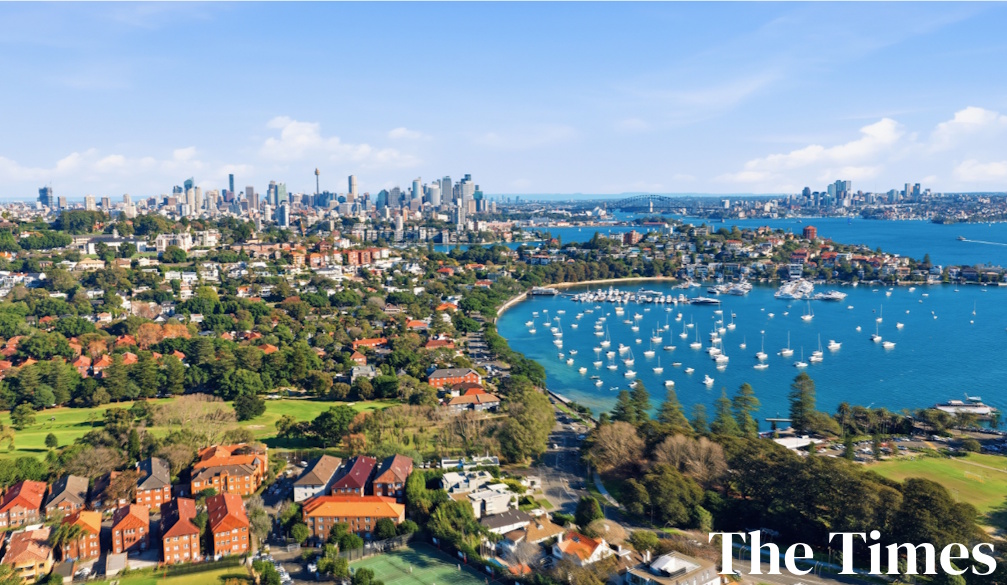
For much of the past decade, Australians became accustomed to hearing one message about residential property: prices always recover, demand always returns, and buying sooner is almost always better than waiting.
The market is now telling a more complicated story.
Across Australia's largest city, Sydney, there is mounting evidence that the residential property market has entered a genuine period of weakness. Lower auction clearance rates, softer contract prices and increasing reports of vendors accepting discounts all point in the same direction. While some suburbs continue to perform well, the broad trend is no longer one of relentless growth.
For homeowners, investors and first-home buyers alike, the question is no longer whether the market has cooled. It is how long the adjustment will last.
Sydney remains the national indicator
Sydney has long been Australia's most closely watched housing market.
When Sydney prices rise rapidly, confidence often spreads nationally. When Sydney weakens, economists, banks and policymakers pay close attention.
Recent market activity suggests buyers have become more cautious. Properties are taking longer to sell, more vendors are negotiating on price, and auctions are producing lower clearance rates than those seen during the boom years.
While premium homes and tightly held locations continue to attract competition, many ordinary suburban properties are no longer commanding the premiums seen only a few years ago.
The reality of falling values
Property markets rarely move in straight lines.
As values decline, homeowners who purchased near market peaks can find themselves owing more on their mortgage than their property is worth. This is known as negative equity.
Negative equity does not necessarily create an immediate financial crisis. Homeowners who continue making repayments can often ride out market cycles.
However, circumstances change. Job losses, illness, divorce or the need to relocate can force sales at precisely the wrong time, turning a paper loss into a real financial one.
Higher interest rates have changed the equation
Borrowing capacity has been significantly reduced compared with the era of historically low interest rates.
Even where buyers remain confident about Australia's long-term prospects, many simply cannot borrow as much as they once could.
Reduced borrowing power naturally limits what purchasers are able or willing to pay, placing downward pressure on prices.
Migration helped fuel demand
Australia's strong migration program has been one of several factors supporting housing demand.
New arrivals require accommodation, whether renting or purchasing. Population growth has therefore contributed to increased competition for housing, particularly in major cities.
As governments increasingly discuss moderating migration levels, some analysts believe one of the strongest demand drivers may begin easing.
Migration is only one influence on housing prices. Interest rates, employment, housing supply, wages, taxation policy and consumer confidence also play significant roles. Nevertheless, slower population growth could reduce pressure on housing demand if it is sustained over time.
Not every market is the same
Australia does not have a single property market.
Some regional centres continue attracting buyers seeking affordability and lifestyle. Certain coastal communities remain resilient because of limited housing supply.
Likewise, different segments of metropolitan markets behave differently. Well-located family homes may perform better than apartments in areas experiencing increased supply.
Broad national averages can therefore conceal important local differences.
What happens next?
Much will depend on several key factors over the coming year:
- The direction of interest rates.
- Employment levels across the economy.
- The pace of residential construction.
- Migration settings.
- Consumer confidence.
- The willingness of banks to lend.
If borrowing becomes easier and confidence improves, housing markets may stabilise.
If economic conditions weaken further, the adjustment could continue for longer than many owners expected.
The Times View
Australia's residential property market is undergoing a correction rather than experiencing the uninterrupted growth that many had come to expect. Sydney's softer prices, weaker auction results and growing incidence of negative equity demonstrate that housing markets can move in both directions. Property remains a long-term asset for many Australians, but today's market serves as a reminder that values are influenced by economic fundamentals as much as optimism. Buyers, sellers and policymakers alike will be watching closely to see whether today's slowdown becomes tomorrow's prolonged adjustment.