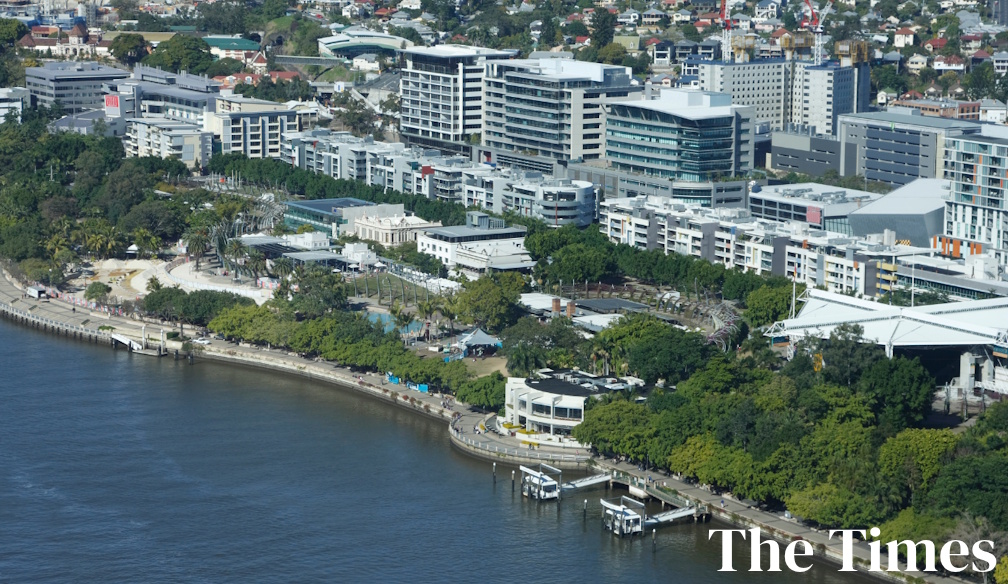
House prices: What's really happening in Australia's property market?
- Written by: The Times
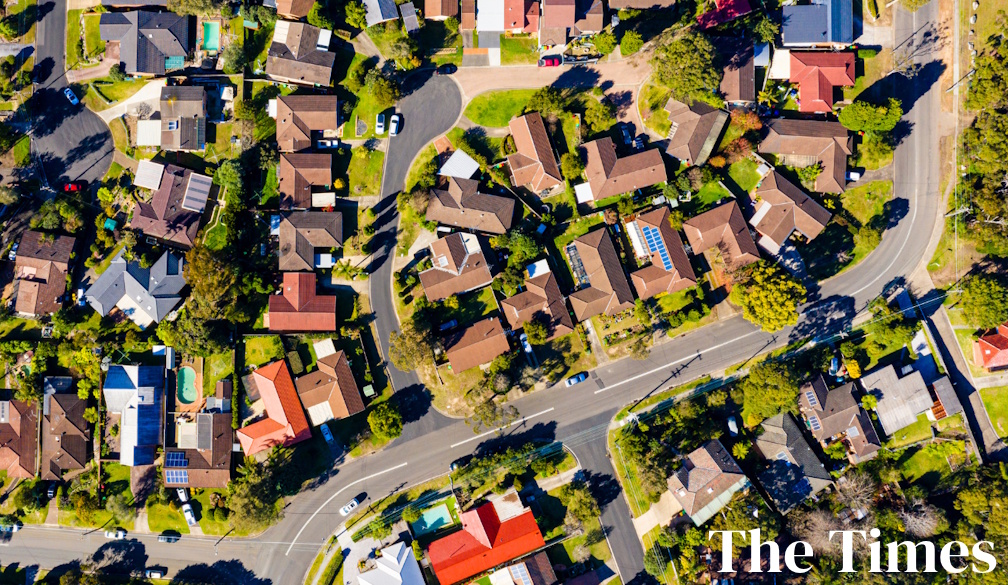
For years, Australians became accustomed to one assumption: property prices only went one way.
The reality has always been more complicated.
Today's housing market is sending mixed signals. Some suburbs continue to record strong demand and price growth, while others are seeing prices soften as buyers become more selective and sellers adjust their expectations.
So what is driving the market?
Interest rates still matter
Although borrowing costs have eased from their recent peak, today's home buyers are still operating in a very different environment from just a few years ago.
Higher mortgage repayments reduce borrowing capacity. That means buyers who could once afford a $1.2 million home may now qualify for less, naturally placing downward pressure on prices in some markets.
Future interest rate decisions by the Reserve Bank of Australia will continue to be watched closely by buyers, sellers and investors alike.
Buyer demand remains strong—but selective
Australia has not suddenly run out of people wanting to buy homes.
Population growth, migration, changing household formation and a long-term shortage of housing continue to support demand.
The difference is that buyers have become more cautious.
Many are taking longer to make decisions, negotiating harder and walking away if they believe asking prices are unrealistic.
Are sellers accepting less?
In some locations, yes.
Vendors who need to sell because of changing family circumstances, financial pressures or relocation are increasingly recognising that the market—not the advertised price—determines a property's value.
That does not necessarily mean property values are collapsing. Rather, buyers and sellers are finding a new balance after years of exceptionally strong price growth.
Investors face new questions
Property investors continue to weigh several factors before making purchasing decisions.
Interest rates remain higher than they were during the era of ultra-cheap money. Insurance, maintenance and council rates have generally increased. Rental demand remains strong in many areas, but so too have the costs of owning investment property.
Tax policy is also attracting renewed attention.
Changes affecting capital gains taxation, superannuation and investment structures are prompting some investors to review their long-term strategies. While most residential investment property remains subject to existing capital gains tax rules, broader taxation debates have reminded investors that policy settings can evolve over time.
For those using or considering a self-managed superannuation fund, property continues to be an option, but it comes with strict regulatory requirements and should be approached with professional financial advice.
Is falling house prices necessarily bad?
Not always.
Property owners understandably welcome rising values. Higher equity can improve financial security and create opportunities to upgrade or invest.
However, continually rising prices also make home ownership more difficult for first-home buyers and younger Australians.
A modest decline in some markets can improve affordability without signalling a crisis.
The key distinction is between an orderly market adjustment and a severe market correction.
Small price movements are a normal feature of property markets. Sharp, widespread declines accompanied by financial stress would be a far more significant concern.
Every market is local
One of the biggest mistakes Australians make is talking about "the property market" as though it were a single entity.
It isn't.
A waterfront home in Sydney, a family house in Brisbane, an apartment in Melbourne, a mining town investment property and a regional Queensland acreage all respond to different economic forces.
Employment, infrastructure, population growth, local supply and buyer confidence can produce very different outcomes within the same city.
Looking ahead
The Australian property market appears to be entering a more balanced phase.
Interest rates, affordability, taxation policy and consumer confidence will continue to influence prices, but the days of assuming every property will rise rapidly every year may be behind us.
For buyers, that can create opportunity.
For sellers, it may require realistic expectations.
For investors, careful research matters more than ever.
Ultimately, healthy property markets are not measured simply by rising prices. They are measured by confidence, affordability, sustainable demand and the ability of Australians to buy and sell homes in an environment that is both stable and fair.
That may not produce spectacular headlines—but it is likely to produce a healthier market for everyone.