The Albanese Government’s plan to impose a retrospective tax on foreign investment
LABOR’S RETROSPECTIVE TAX GRAB RISKS 3 MILLION JOBS
The Albanese Government’s plan to impose a retrospective tax on foreign investment dating back nearly two decades is a reckless cash grab that threatens millions of Australian jobs and damages the nation’s global reputation as a safe place to invest.
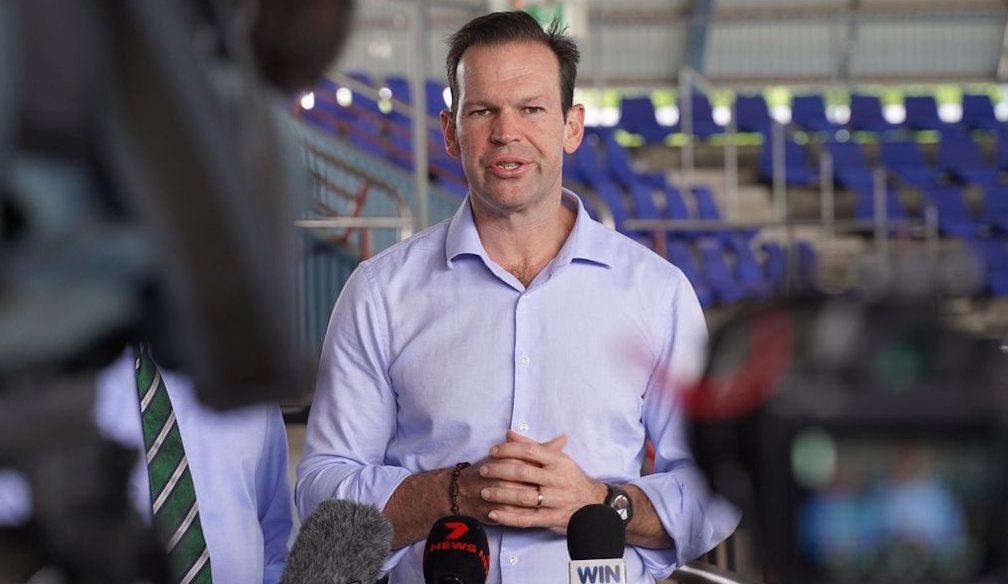
Shadow Trade and Investment Minister Matt Canavan said a retrospective tax would be a death-knell for Australian jobs.
“Retrospective tax will kill jobs in industries that rely on investment like agriculture, mining and manufacturing,” he said.
One in five Australian jobs (about 2.2 million) relates to trade such as exporting goods and services, and roughly one in 10 Australian jobs (about 1.2 million people) is a result of foreign investment.
Shadow Treasurer Tim Wilson said the proposal, revealed ahead of the federal budget, would undermine confidence in Australia’s economy and put at risk industries that rely on trade and investment.
“Once you greenlight retrospective taxes in one area it sets a precedent for future taxes,” Mr Wilson said.
“In the federal budget, Labor is plugging new taxes on housing, rentals and family savings, it’s clear that’s only stage one of their plans.
“Retrospective tax backdated to feed Labor’s spending addiction is a disaster because it will fuel inflation.”
Shadow Minister for Resources, Senator Susan McDonald said the proposal was the latest example of Labor’s ongoing hostility towards Australia’s energy and resources sectors.
“This punitive move follows Labor’s mixed messaging and ideological war on gas and mining,” Senator McDonald said.
“At a time of global instability and fuel supply pressures, Australia should be strengthening energy security and supporting investment, not scaring it away.
“Businesses are already warning they’re prepared to walk away from Australia. This retrospective tax sends a clear message that our country is no longer a stable or reliable place to invest.”
The Coalition warned that changing tax rules after investments have been made would have long-term consequences for Australia’s competitiveness, sovereign risk profile and economic growth.