5 Best Restaurant POS Software in Australia 2026
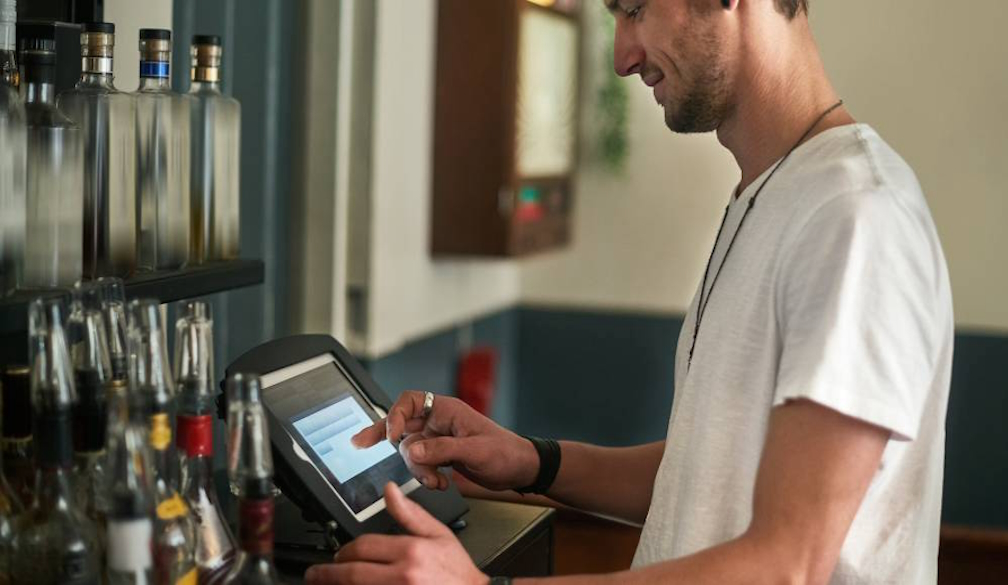
The best restaurant POS software in Australia for 2026 are Square, Abacus, POSApt, Lightspeed, and Impos. Each of these systems suits a different type of venue, from small cafés to multi-location restaurants.
Choosing the right POS is not about popularity. It comes down to workflow fit, total cost (including transaction fees), ease of staff use, and support when things go wrong. In a busy restaurant, speed and reliability matter far more than feature lists.
This guide breaks down these five systems honestly, with real-world use in mind.
What a Restaurant POS Must Handle in Australia
Before comparing systems, it helps to understand what actually matters during service.
Fast Order Entry With Modifiers
Your restaurant POS must handle complex menus quickly. Staff should be able to add modifiers, dietary notes, and custom requests without slowing down service. A well-designed system allows one-touch modifiers and remembers common combinations, which reduces errors and speeds up ordering during peak hours.
Clear Kitchen Communication
Orders need to flow instantly to the kitchen display system or printer. A delay of even a few seconds can cause confusion during busy periods. Good restaurant POS systems organise dockets clearly, group items logically, and minimise miscommunication between front and back of house.
Smooth Table and Bill Management
Splitting bills, merging tables, transferring orders, and handling partial payments should feel effortless. In real service, these actions happen constantly. A slow or confusing interface here leads directly to customer frustration.
Integrated Payments
Modern POS software reduce double handling. Staff should not need to re-enter amounts on a separate EFTPOS machine. Integrated payments improve speed, reduce mistakes, and create a smoother customer experience.
Online Ordering and Delivery Sync
Restaurants today rely heavily on online orders. A good POS should sync with your website and delivery platforms so staff are not manually entering orders from multiple systems.
Staff Control and Reporting
You need clear visibility over sales, staff performance, and daily operations. Reporting should be simple enough to understand quickly but detailed enough to support business decisions.
Reliable Support
This is often overlooked. When something goes wrong on a Friday night, fast and knowledgeable support makes a real difference. Systems with strong local support tend to perform better in real-world situations.
5 Best Restaurant POS Software in Australia (2026)
1. Square POS — Best Overall for Simplicity and Value
Square is one of the most widely used POS systems in Australia, especially for small to medium restaurants.
Why it stands out
Square offers a free plan where you only pay transaction fees, which makes it attractive for businesses starting out. The system is very easy to set up and use, even for staff with little experience. It also includes built-in payments, which removes the need for external integration.
Beyond the basics, Square provides additional tools such as loyalty programs, online ordering, and customer marketing features. These can help restaurants grow without needing multiple systems.
Where it works best
Square is ideal for cafés, takeaway shops, and smaller restaurants that want a simple, low-cost solution. It is particularly strong for businesses that prioritise ease of use over advanced features.
Limitations
As your business grows, transaction fees can become expensive. The system also lacks some of the deeper restaurant-specific features found in more specialised platforms.
2. Lightspeed POS — Best for Advanced Features and Reporting
Lightspeed is a premium POS system designed for more complex restaurant operations.
Why it stands out
Lightspeed offers advanced reporting and inventory management tools, which are useful for businesses that want deeper insights into performance. Its table management system is also highly developed, allowing for detailed floor planning and service control.
The platform supports multi-location management and integrates with a wide range of third-party tools, making it a strong choice for growing businesses.
Where it works best
Lightspeed is ideal for mid-size to large restaurants that need advanced analytics, detailed reporting, and scalable systems.
Limitations
The monthly cost is higher than many alternatives, and the system can take longer to set up and learn. It may be more than what smaller venues actually need.
3. POSApt — Best for Hospitality-Focused Simplicity
POSApt is a hospitality-focused POS system designed to keep operations simple and efficient.
Why it stands out
POSApt offers a free plan with a full workflow, which is rare in the market. It is designed specifically for hospitality, so features like table management, split billing, and kitchen communication are built in from the start.
The system runs on Android, which keeps hardware costs lower compared to some competitors. It also provides strong local support, which is important for Australian businesses.
Where it works best
POSApt is well suited for restaurants, cafés, and takeaway businesses that want a practical system without unnecessary complexity. It works particularly well for owners who value ease of use and reliable support.
Limitations
Compared to global platforms, POSApt has a smaller ecosystem of integrations. It also has less brand recognition, although this does not impact its core functionality.
4. Abacus POS — Best for Scaling Restaurants and Franchises
Abacus is built specifically for hospitality and is commonly used by growing restaurant groups.
Why it stands out
Abacus offers strong multi-location management, which allows businesses to control multiple venues from a single dashboard. It also supports self-order kiosks, QR ordering, and advanced integrations, making it suitable for modern restaurant operations.
The system is flexible and can be customised with various add-ons depending on business needs. This makes it a good choice for restaurants planning to scale.
Where it works best
Abacus is best suited for franchises, quick service restaurants, and multi-location businesses that require centralised control and advanced functionality.
Limitations
The system can be more expensive due to setup costs and ongoing subscriptions. It also typically requires external payment integration, which adds complexity.
5. Impos — Best for Established Hospitality Venues
Impos is a long-standing Australian POS provider with strong roots in hospitality.
Why it stands out
Impos is designed specifically for Australian venues and has been used in the industry for many years. It offers strong back-office tools, reliable reporting, and stable performance.
The system is well suited to traditional restaurant operations and has proven reliability over time.
Where it works best
Impos is best for established restaurants, pubs, and venues that prefer a stable and familiar system.
Limitations
The interface can feel outdated compared to newer systems, and costs can be higher due to hardware and ongoing fees.
POS Software Comparison Table (Australia 2026)
|
Feature |
Square |
Abacus |
POSApt |
Lightspeed |
Impos |
|
Best for |
Small venues |
Chains & franchises |
Hospitality simplicity |
Growing restaurants |
Established venues |
|
Pricing model |
Free + transaction fees |
Subscription + add-ons |
Free + paid plans |
Subscription |
Subscription |
|
Ease of use |
Very easy |
Moderate |
Easy |
Moderate |
Moderate |
|
Payments |
Built-in |
External |
Integrated options |
Integrated / external |
External |
|
Online ordering |
Yes |
Yes |
Yes |
Yes |
Yes |
|
Multi-location |
Limited |
Strong |
Moderate |
Strong |
Strong |
|
Support |
Limited on free plan |
Paid support |
Strong local support |
24/7 support |
Local support |
Best Restaurant POS Pricing Comparison Table (Australia 2026)
Scenario 1: Small Restaurant
Revenue: $30,000/month | Card: 80% ($24,000)
|
POS System |
Monthly Fee |
Transaction Rate |
Estimated Total Cost |
Notes |
|
Square POS |
$0 |
~1.6% |
~$384 |
Lowest entry cost, simple setup |
|
POSApt |
$0–$60 |
Lower / custom |
~$250–$400 |
Often cheapest depending on setup |
|
Abacus POS |
~$69+ |
External |
~$300–$500 |
Higher base cost |
|
Lightspeed POS |
~$129+ |
~1.3–1.5% |
~$440–$650 |
Premium features |
|
Impos |
Subscription |
External |
~$400–$700 |
More traditional setup |
Scenario 2: Busy Restaurant
Revenue: $80,000/month | Card: 85% ($68,000)
|
POS System |
Monthly Fee |
Transaction Rate |
Estimated Total Cost |
Notes |
|
Square POS |
$0–$129 |
~1.6% |
~$1,088 |
Fees scale quickly |
|
POSApt |
~$50–$100 |
Competitive |
~$900–$1,200 |
Strong value at this level |
|
Abacus POS |
~$69+ |
External |
~$900–$1,300 |
Good for scaling |
|
Lightspeed POS |
~$129–$329 |
~1.3–1.5% |
~$1,100–$1,400 |
Balanced cost + features |
|
Impos |
Subscription |
External |
~$1,000–$1,500 |
Stable but not cheapest |
Scenario 3: High-Volume Restaurant
Revenue: $150,000+/month | Card: 90% ($135,000)
|
POS System |
Monthly Fee |
Transaction Rate |
Estimated Total Cost |
Notes |
|
Square POS |
$0–$129 |
~1.6% |
~$2,160 |
Most expensive at scale |
|
POSApt |
~$50–$100 |
Competitive |
~$1,400–$2,000 |
Very competitive with optimisation |
|
Abacus POS |
Higher |
External |
~$1,500–$2,500 |
Strong for multi-location |
|
Lightspeed POS |
~$200–$400 |
Lower negotiated |
~$1,800–$2,200 |
Predictable scaling |
|
Impos |
Higher |
External |
~$1,500–$3,000 |
Focus on stability |
Quick POS Price Summary Table (Who Wins by Stage)
|
Business Stage |
Most Cost-Effective |
Why |
|
Small ($30k) |
POSApt / Square |
Lowest entry cost |
|
Mid ($80k) |
POSApt / Abacus |
Balanced fees + features |
|
Large ($150k+) |
POSApt / Lightspeed |
Better scaling cost structure |
|
Multi-location |
Abacus / Lightspeed |
Centralised control |
Which POS Software Is Right for Your Restaurant?
Choosing the right POS depends on how your business operates day to day.
Small Café or Takeaway
If you want something simple and low-cost, Square or POSApt are strong options. Both systems are easy to learn and quick to set up, which makes them ideal for smaller teams.
Growing Restaurant
If your business is expanding and you need better reporting and control, Lightspeed or Abacus are more suitable. These systems offer deeper functionality for managing larger operations.
Multi-Location or Franchise
For businesses operating across multiple sites, Abacus and Lightspeed provide the centralised management needed to maintain consistency and control.
Established Venue or Pub
If you run a well-established venue and value reliability over new features, Impos remains a solid choice with proven performance.
Common Mistakes When Choosing a Restaurant POS System
Choosing Based on Price Alone
Many businesses choose a system because it appears cheap at first. However, transaction fees, add-ons, and support costs can quickly increase the total cost.
Ignoring Workflow Fit
A restaurant POS software must match how your restaurant operates. If it does not align with your workflow, it will slow down service and create ongoing frustration.
Underestimating Training Time
Complex systems take longer for staff to learn. This leads to mistakes, slower service, and reduced efficiency during busy periods.
Overlooking Support
Support is often ignored during the decision process. When issues occur, especially during peak hours, reliable support becomes critical.
Not Calculating Total Cost
The real cost of a POS system includes hardware, transaction fees, subscriptions, and add-ons. Always calculate the full picture before making a decision.
Final Thoughts
There isn’t a universal best POS system for restaurant businesses that works perfectly for everyone. Each restaurant has unique needs, so the right system depends on what fits those specific requirements best.
- Square works well for simplicity and low entry cost.
- Abacus is suited for scaling and franchise operations.
- POSApt is strong for practical hospitality workflows.
- Lightspeed offers advanced reporting and control.
- Impos provides stability for established venues.
The best choice is the one that fits your daily operations, not just the one with the most features or the lowest advertised price.