A Relationship Expert Reveals the Real Key to a Stronger Relationship
For a long time, we have romanticised the idea that a strong relationship means finding someone who can be your everything. Your best friend. Your confidant. Your emotional support system. The person who understands every part of you and meets every need.
It’s a beautiful idea, and there’s real comfort in feeling deeply understood by a partner. In fact, 2 in 5 Australians according to new eharmony data say feeling emotionally safe with a partner is a priority when entering a new relationship. This is particularly relevant for singles over 40, who often enter relationships with a stronger sense of self, established friendships, family commitments and personal interests that already play an important role in their lives.
However, it also points to the importance of maintaining balance. While many 40+ singles are seeking a meaningful, emotionally secure partnership, they are often looking for someone to complement their life rather than become the centre of it. When the desire for closeness turns into expecting one person to fulfil every emotional, social and personal need, it can slowly work against the relationship.
The problem with expecting one person to be everything
Emotional closeness is one of the most meaningful parts of a relationship especially as we age and go through different life stages with our partners. Sharing your life with someone, turning to them for comfort and building trust over time are all part of deep connection.
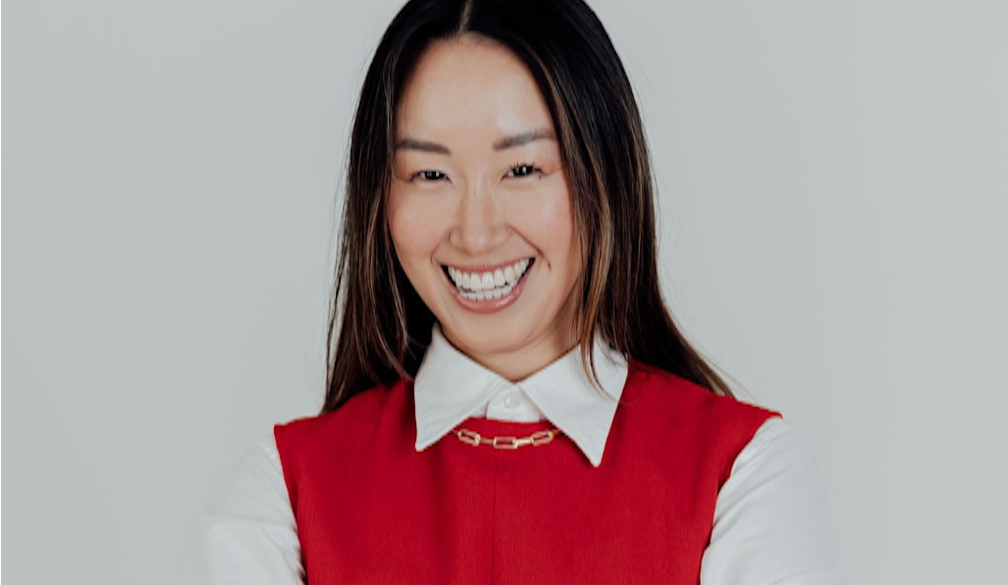
“But closeness can become complicated when one partner becomes the only source of emotional support and social connection”, said Susie Kim, eharmony’s relationship expert. “Even in the healthiest relationships, one person can’t fulfil every role. Expecting your partner to be your best friend, footy buddy, co-parent, therapist and caretaker all at once places too much pressure on the relationship - and can end up suffocating it.
This is particularly relevant when many Australians are feeling socially disconnected, also known as the ‘isolation crisis’. When social circles shrink, it is understandable that people lean more heavily on their partner. But when all emotional needs are placed into one relationship, the result is often the opposite of what people are hoping for.
The Role of Friendships in Stronger Relationships
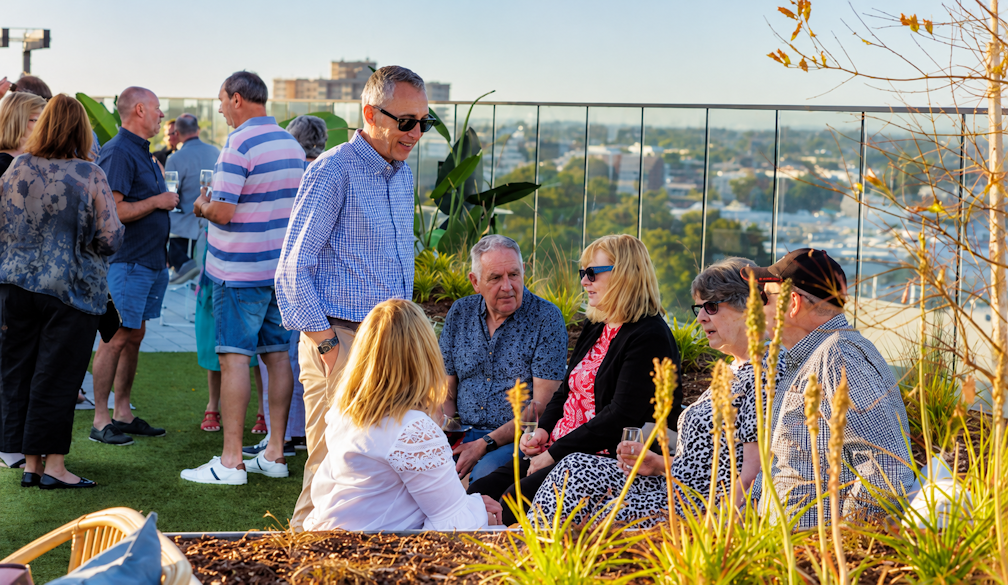
Friendships are often treated as separate from romantic relationships, but they play an important role in helping relationships thrive.
“Friends often bring out other sides of us, whether that’s more playful, intellectual or adventurous. They also offer different perspectives, helping us see ourselves and our relationships more clearly. They let us stay connected to different aspects of ourselves as we grow older and remind us of who we are beyond our role as a partner, bringing freshness back to the relationship, especially after 40”, said Susie.
This applies not only to those in relationships, but also to people looking for a partner. Friendships can build confidence, strengthen communication skills and offer emotional support throughout the dating process. With one in four men (24%) saying they feel out of practice when it comes to dating according to eharmony data, and one in five women reporting similar concerns, strong social connections can help people navigate the challenges of modern dating.
How Independence Strengthens Connection
eharmony data shows that at least two in five Australians over 40 would prioritise independence in their next relationship. This suggests many people are looking for partnerships where they can feel connected without losing their sense of self.
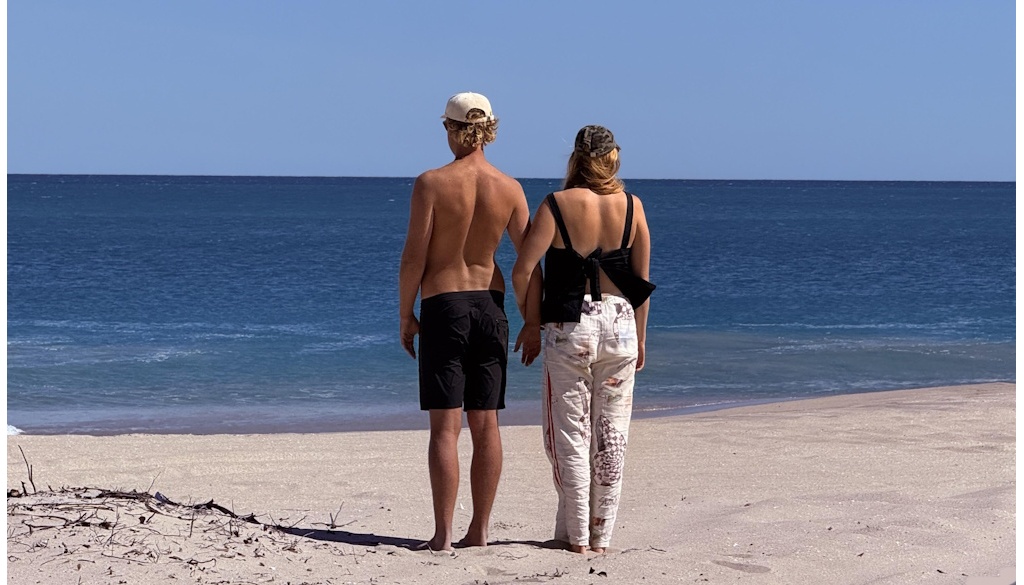
“When both partners feel secure enough to support each other’s independence, the relationship often becomes more resilient. There is less pressure on one person to meet every emotional and social need, and more room for trust, generosity and genuine choice”, said Susie.
“Of course, independence only thrives alongside strong communication. Nearly half (45%) of Australians aged 40 to 49 say mutual respect is the most important lesson they’ve learned from past relationships. Couples need to talk openly about expectations, personal space, friendships and time apart, so both people feel secure and understood, rather than reading independence as distance or disinterest.”
A stronger relationship starts with a fuller life
You don’t need a large social circle to create balance. Susie said that “even one meaningful friendship can make a significant difference to your wellbeing and, in turn, your relationship”.
The key is intention. Friendships, like romantic relationships, need care. That means making time, checking in, showing appreciation and being present, even when life gets busy or a new relationship becomes exciting.
The healthiest relationships are built by two people who understand themselves, respect each other’s independence and choose to grow together without losing who they are.