iPhone Health Apps: Helpful Health Coach or Digital Obsession?
- Written by: The Times
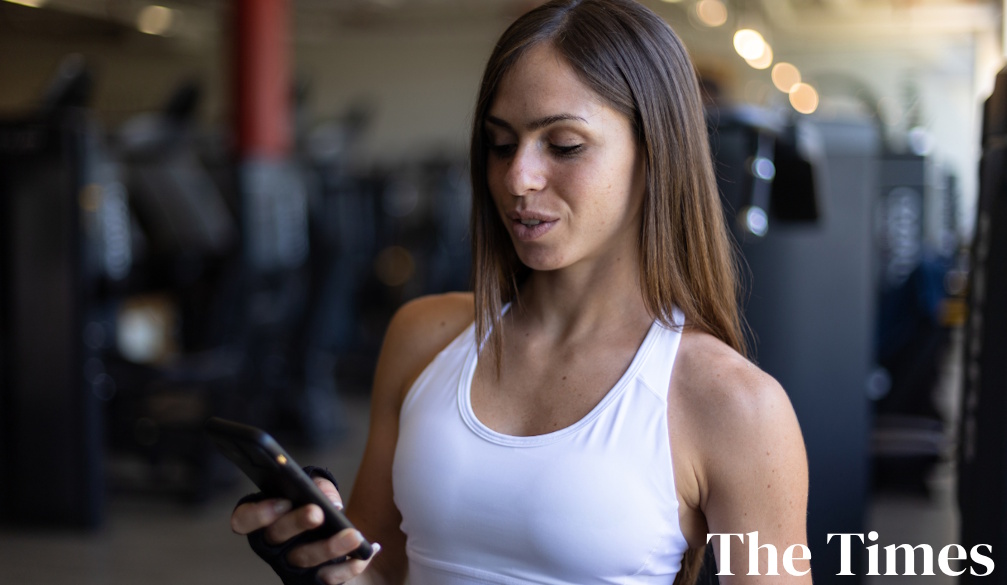
Millions of Australians carry a sophisticated health monitor in their pocket without giving it much thought. Modern iPhones can count steps, record workouts, monitor sleep, track medications, log symptoms and, when paired with compatible devices, even monitor heart rhythm, blood pressure and blood oxygen trends.
The rise of health technology raises an important question. Does collecting more health information actually make us healthier, or can it become another source of unnecessary anxiety?
The Health App Most iPhone Users Already Have
Apple includes its Health app with every iPhone. For many users it becomes a central dashboard that brings together information from the iPhone, Apple Watch and compatible medical devices.
Depending on the hardware being used, the app can record:
- Daily activity and step count
- Walking and running distance
- Sleep duration and patterns
- Heart rate
- Medications and reminders
- Menstrual cycle tracking
- Hearing exposure
- Mental wellbeing check-ins
- Medical ID for emergencies
For Apple Watch users, additional features may include ECG recordings, irregular heart rhythm notifications and fitness trends that build over time.
Beyond Apple's Built-In Tools
Thousands of third-party developers have created health applications that connect with Apple's Health platform.
Popular categories include:
- Blood pressure monitoring
- Diabetes and glucose management
- Nutrition and calorie tracking
- Weight management
- Meditation and mindfulness
- Running and cycling coaching
- Women's health
- Strength training
- Sleep improvement
Many people also connect Bluetooth-enabled blood pressure monitors, smart scales and glucose monitors, allowing measurements to be automatically recorded without manual entry.
Knowledge Can Be Powerful
There are genuine advantages to tracking health over months and years.
Someone trying to lower their blood pressure may be encouraged by seeing gradual improvements. A person recovering from illness can monitor increasing activity levels. Sleep tracking may reveal patterns that explain daytime fatigue.
Rather than relying on memory during a doctor's appointment, patients can often provide weeks or months of recorded information that may help identify trends.
The emphasis is often less on one reading and more on long-term patterns.
But There Is a Downside
Not everyone benefits from constant monitoring.
Checking heart rate dozens of times each day or repeatedly measuring blood pressure without medical advice can create unnecessary worry.
A perfectly normal variation after climbing stairs, drinking coffee or feeling stressed may be interpreted as something serious.
Some health professionals have also observed that frequent self-monitoring can increase health anxiety in susceptible individuals, particularly when readings are viewed without medical context.
Technology should support wellbeing, not dominate it.
If You Really Need One...
For people specifically looking to monitor blood pressure, several apps are widely used alongside approved blood pressure monitors.
Among the better-known options are:
- Qardio Heart Health
- Omron Connect
- Withings Health Mate
- SmartBP
- Blood Pressure Companion
It is important to remember that most iPhone apps do not measure blood pressure by themselves. They generally record readings from a medically validated blood pressure monitor or connected device. Users should be cautious of any app claiming that an iPhone alone can accurately measure blood pressure simply by placing a finger on the screen.
Technology Is a Tool, Not a Doctor
Health apps are becoming increasingly sophisticated, giving people greater insight into their daily wellbeing than ever before.
For many Australians they provide motivation to exercise, sleep better and better understand their own health.
However, they should complement—not replace—professional medical advice. A healthy interest in personal wellbeing can be empowering. Constant monitoring driven by anxiety is unlikely to improve quality of life.
The challenge is finding the balance between being informed and becoming consumed by the numbers.
The Times View
The best health app is the one that quietly helps people make better decisions without becoming the centre of their day. Technology has given Australians remarkable access to their own health information, but numbers alone are not wellbeing. Used sensibly, an iPhone can be an excellent health companion. Used obsessively, it can simply become another screen demanding attention.