

In 2006, The Devil Wears Prada Became One of the First Social Influencers: Fashion Was the Product
- Written by: The Times
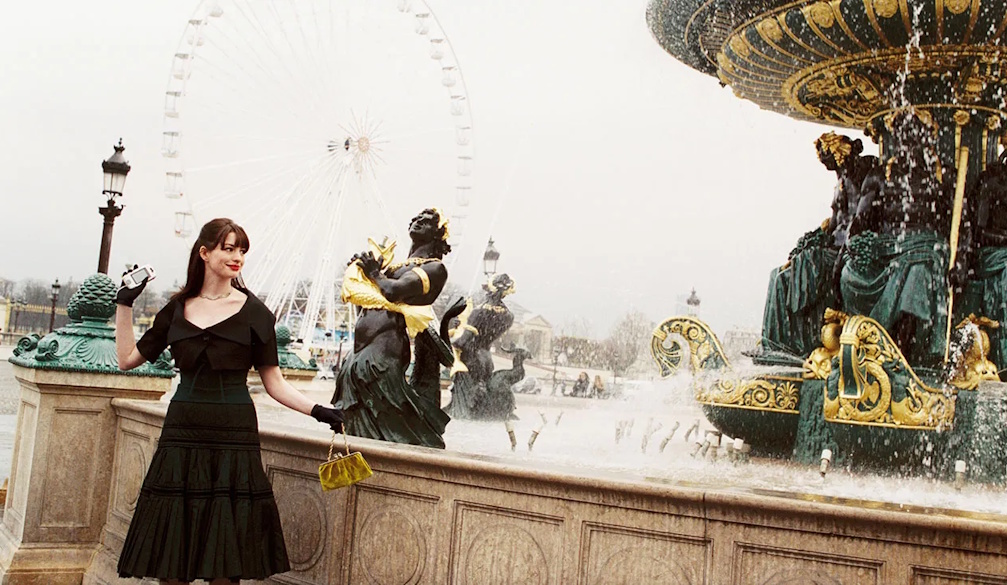
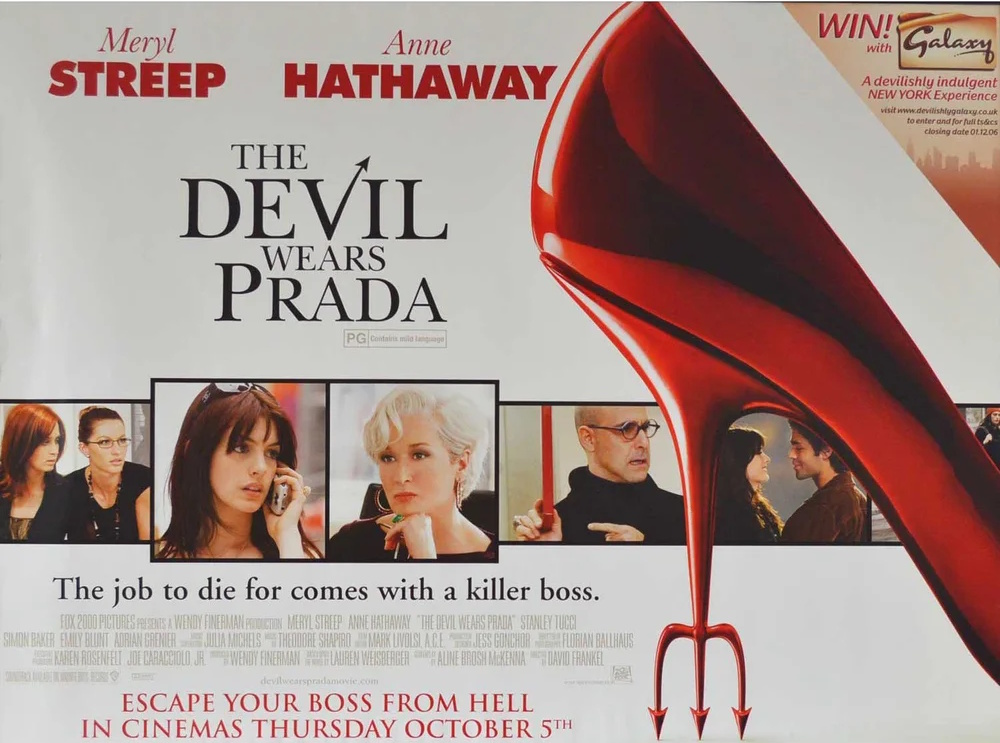
When The Devil Wears Prada premiered in 2006, it was marketed as a sharp, entertaining adaptation of a bestselling novel. What it became, in hindsight, was something far more commercially significant: one of the earliest examples of modern influencer culture—before Instagram, before TikTok, and before the term “influencer” had entered everyday language.
The film did not just tell a story about fashion. It sold fashion. Every scene, every outfit, every brand reference functioned as a subtle yet powerful form of product placement, shaping consumer aspiration at a scale few films had achieved before.
A Film That Sold a Lifestyle, Not Just a Plot
At its core, The Devil Wears Prada is a narrative about ambition, identity, and the cost of success. But beneath that narrative sits a carefully constructed visual economy built around clothing, accessories, and status.
The transformation of Andy Sachs, played by Anne Hathaway, is the central mechanism. She begins as an outsider—unpolished, dismissive of fashion—and gradually evolves into someone who understands and embodies the aesthetic codes of the industry. That transformation is not just character development; it is a demonstration effect.
Audiences were not simply watching Andy change—they were being shown how fashion could change them.
This is the essence of influencer marketing: aspiration delivered through narrative.
Miranda Priestly: Authority as Influence
The film’s most powerful “influencer” figure is Miranda Priestly, portrayed by Meryl Streep. Her authority is absolute, her taste unquestioned, and her approval the ultimate currency.
Miranda does not advertise products in the traditional sense. She defines what matters. In one of the film’s most iconic monologues, she explains how a seemingly insignificant blue sweater is, in fact, the downstream result of high-fashion decisions made years earlier. It is a moment that reframes fashion as a system of influence—top-down, curated, and deeply intentional.
This is precisely how modern influencers operate. They do not just wear products; they validate them. They tell audiences what is worth noticing.
Miranda Priestly was, effectively, a pre-social-media influencer archetype: a gatekeeper whose preferences shaped consumer behaviour.
Fashion as the Silent Protagonist
Unlike traditional product placement, where brands are inserted into a story, The Devil Wears Prada inverted the model. The story existed to serve the fashion.
Designers such as Chanel, Prada, and Valentino were not background elements—they were integral to the film’s identity. Costume designer Patricia Field curated wardrobes that were aspirational yet accessible enough to influence mainstream audiences.
The now-famous montage of Andy striding through New York in a series of increasingly sophisticated outfits is, in effect, a lookbook set to music. It compresses the aspirational journey into a few minutes, showing viewers what transformation looks like in visual terms.
This sequence alone functioned as a marketing campaign for an entire industry.
Before Instagram, There Was Cinema
Today, influencer marketing is dominated by social platforms. Individuals build audiences and monetise attention by promoting products directly or indirectly. In 2006, that infrastructure did not exist at scale.
Yet The Devil Wears Prada achieved a similar outcome through cinematic distribution. It reached millions globally, embedding fashion trends into popular culture without the friction of traditional advertising.
Viewers did not feel like they were being sold to. They felt like they were being let in—given access to a world that was previously exclusive.
This is a key principle of modern influence: authenticity, or at least the perception of it.
The film’s narrative allowed fashion to be consumed as part of a story, making it more persuasive than any standalone advertisement.
The Commercial Impact
The commercial ripple effects were immediate. Interest in high-end fashion brands surged, and the film helped bridge the gap between luxury fashion and mainstream consumers.
Magazines, retailers, and designers all benefited from the renewed attention. The idea that fashion could be both elite and accessible—aspirational yet attainable—gained traction.
For audiences, the takeaway was clear: style is not just about clothing; it is about identity, confidence, and belonging.
For the industry, the lesson was even clearer: storytelling sells.
Emily Blunt and the Supporting Influence Layer
While Andy represents transformation and Miranda represents authority, the character of Emily, played by Emily Blunt, adds another dimension—peer influence.
Emily embodies the insider perspective: someone who already understands the rules and reinforces them. Her obsession with fashion, her strict adherence to industry norms, and her competitive nature reflect the social pressures that drive consumer behaviour.
In modern terms, she represents the micro-influencer—the individual within a network who reinforces trends and validates choices at a more personal level.
Together, these characters form a layered influence ecosystem: authority at the top, aspiration in the middle, and peer reinforcement at the base.
A Blueprint for Modern Influencer Culture
Looking back, The Devil Wears Prada anticipated many of the dynamics that now define influencer marketing:
-
Aspirational storytelling: Products embedded within a narrative of personal transformation
-
Authority figures: Individuals whose taste defines trends
-
Visual dominance: A focus on aesthetics as the primary driver of engagement
-
Subtle persuasion: Selling without overt advertising
Today’s influencers on platforms like Instagram and TikTok operate within a system that formalises these principles. But the underlying mechanics were already visible in 2006.
The difference is scale and speed. What took a major film production to achieve can now be done by an individual with a smartphone and a following.
Fashion as Content, Content as Commerce
One of the most significant shifts highlighted by the film is the merging of content and commerce. Fashion is no longer just something you buy; it is something you consume visually, share socially, and integrate into your identity.
The Devil Wears Prada demonstrated that fashion could be the content itself—not just a subject within it. This insight has become foundational to modern marketing strategies.
Brands now create content ecosystems where storytelling, aesthetics, and product placement are seamlessly integrated. Influencers act as both creators and distributors, blurring the line between media and advertising.
Conclusion
In 2006, The Devil Wears Prada did more than entertain. It quietly redefined how products—particularly fashion—could be marketed to a global audience.
Long before the rise of social media influencers, the film showcased the power of narrative-driven promotion, visual aspiration, and authority-led taste-making. It turned fashion into a story and the audience into participants in that story.
In doing so, it became one of the earliest and most effective examples of influencer marketing—without ever calling itself that.
Fashion was the product. The film was the platform. And the influence endures.