The Ultimate Guide to Party Bus Hire in Sydney
- Written by: The Times
Planning a big night out or a special event in Sydney? Whether you're organising a birthday, corporate outing, school formal, or just a fun night with friends, hiring a party bus can completely transform your experience. It’s not just about getting from point A to B — it’s about creating memories on the move.
With professional services like party bus hire Sydney, you can relax, celebrate, and arrive in style — all while travelling together with your group.
Why Choose a Party Bus in Sydney?
Sydney is one of the most dynamic cities in Australia, filled with nightlife spots, event venues, and stunning scenic routes. But coordinating group transport — especially for events — can be stressful. That’s where party buses come in.
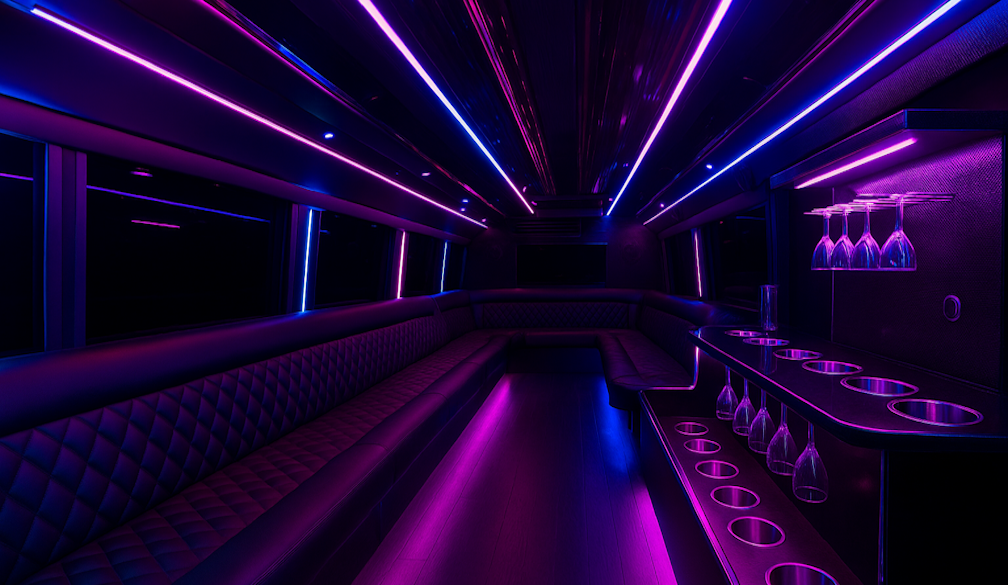
A party bus offers more than just convenience. It turns travel time into party time. From LED lights to booming sound systems, party buses are designed to keep the energy up throughout the journey. Plus, you don’t have to worry about designated drivers, parking, or splitting up in separate rides.
All Kinds of Events — One Solution
One of the best things about hiring a party bus is how versatile it is. At A1 Party Bus Hire, we provide buses for all kinds of occasions — big or small.
Whether it’s a birthday party, hens or bucks night, wedding transfer, school formal, or a long tour out of town, we’ve got you covered. Planning a corporate event or staff party? We also offer premium buses perfect for professional gatherings and team outings.
So whether it’s a night of wild celebration or a more relaxed, stylish ride — we have the right bus to match the mood.
Features You Can Expect
When you hire with a professional party bus Sydney provider, you’re not just getting a ride — you’re stepping into a fully equipped mobile venue. Depending on the size of your group and the style of your event, you can choose from various buses with features like:
- Colourful LED lighting and laser effects
- High-quality sound systems with AUX/Bluetooth
- Spacious dance floors or poles (on select buses)
- Comfortable leather seating
- BYO-friendly setups (where allowed by law)
- Onboard entertainment screens
- Air conditioning and tinted windows
Whether you need a small luxury bus for a private celebration or a large coach-style party bus for bigger groups, flexibility is part of the package.
What Makes a Great Party Bus Service?
Not all party bus services are the same. Here are a few things you should look for when choosing the right provider:
- Well-Maintained Vehicles: Clean, modern buses with up-to-date safety features.
- Experienced, Friendly Drivers: A professional driver makes a huge difference in how enjoyable and safe your journey is.
- Transparent Pricing: No hidden fees. Make sure you understand the full cost before booking.
- Custom Packages: Whether it’s a two-hour night cruise or a full-day winery tour, choose a service that offers flexible options.
Booking Tips for a Smooth Ride
- Book Early: Weekends and holidays fill up fast.
- Know Your Guest Count: Choose the right size bus for your group.
- Plan Your Route: Decide on stops and pick-up/drop-off points.
- Bring Your Vibe: Create a playlist, bring decorations, and make it your own experience.
With the right planning, your ride can be just as fun as the destination itself.
Why A1 Party Bus Hire is the Right Choice
At A1 Party Bus Hire, we specialise in delivering unforgettable experiences on the road. With a wide range of buses and packages, we cater to all kinds of events — from small birthday gatherings to large corporate parties and long-distance tours.
Our goal is simple: to make your journey exciting, safe, and completely hassle-free. We take pride in our fleet, our service, and the smiles we see after every ride.
Final Thoughts
If you’re planning something special and want to make a lasting impression, hiring a party bus is the way to go. You’ll enjoy a fun, safe, and unique experience that keeps the whole group together and entertained.
So the next time you’re organising an event, remember that party bus hire Sydney services like A1 Party Bus Hire are here to make your night easier and way more exciting. With a range of packages and fully loaded features, we’re ready to take your celebration to the next level.