Why More Melbourne Homeowners Are Renovating With Long-Term Liveability in Mind
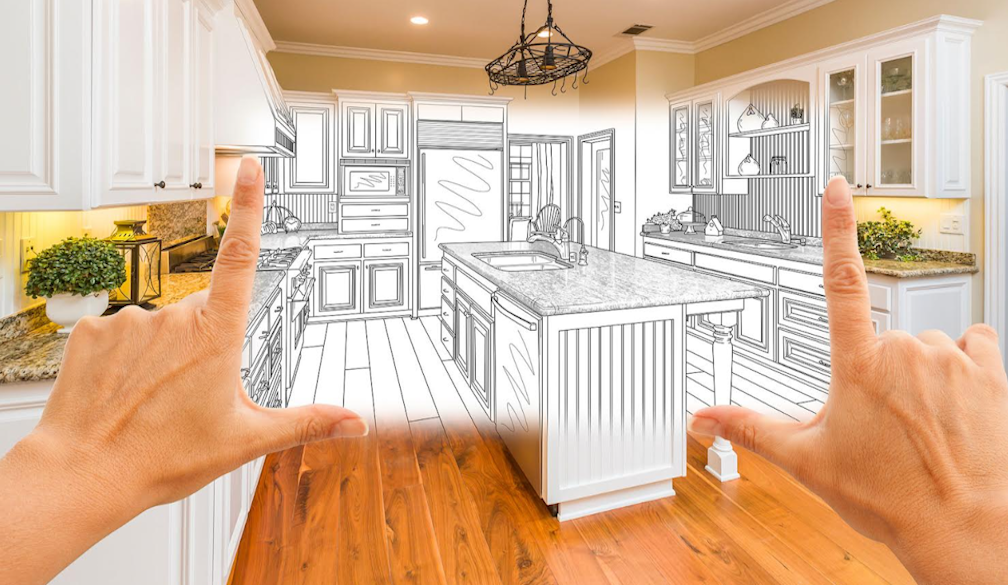
For years, home improvement was often driven by trends. A new kitchen, a bigger deck, or a fresh façade could make a property feel more current and more valuable. That still matters, but the thinking behind renovations in Melbourne has shifted.
Homeowners are now making decisions with a longer view. They are not just asking what looks good right now. They are asking how a home will function in five, ten, or even twenty years, and whether the spaces they invest in today will continue to work as family life, work habits, and living costs change.
This change is especially noticeable across established suburbs, where many homes sit on good blocks in strong locations but no longer suit the way people actually live. Instead of rushing into a move, many owners are rethinking what can be done with the home they already have. In many cases, that means improving layout, adding usable space, and building with flexibility in mind rather than chasing quick cosmetic wins.
The renovation mindset has changed
A decade ago, many renovation discussions were centred on resale. Homeowners wanted the biggest visual impact for the least amount of money. The logic was simple enough. Spend where buyers will notice it, keep the job moving, and hope the return stacks up.
That approach has not disappeared, but it is no longer the only driver. A growing number of homeowners are renovating because they want to stay put. They like their street, their schools, their commute, or their local community, but they have outgrown parts of the house itself.
That makes the renovation brief much more practical. The conversation becomes less about surface-level upgrades and more about how the home performs day to day. Can the kitchen handle family life properly? Is there enough storage? Does the layout support remote work? Is the connection between indoor and outdoor spaces actually useful, or just something that looked good in a brochure ten years ago?
These are not glamorous questions, but they shape whether a renovation succeeds.
Liveability now matters as much as appearance
It is easy to focus on finishes because they are visible. Tiles, joinery, tapware, lighting, and paint colours all help define the final result. But liveability tends to come from less obvious decisions made much earlier in the process.
A well-planned renovation improves how the home feels to move through. It makes circulation easier. It reduces bottlenecks. It creates better natural light. It gives different members of the household space to do different things without getting in each other’s way.
That could mean opening up a cramped rear living zone so the kitchen, dining, and family area work together more naturally. It could mean creating a dedicated study nook instead of forcing someone to work from the dining table. It could mean adding a bathroom where the family has always needed one, or reworking bedrooms so the home better suits teenagers, guests, or ageing parents.
The point is that a renovation with long-term liveability in mind solves real problems. It is not just decorating. It is reshaping the house around the people who use it.
Why established suburbs are seeing this trend
Older suburbs across Melbourne, such as Yarraville or Spotswood, continue to attract strong interest because they offer something many buyers value - land, location, and character. The problem is that the homes on those blocks do not always match modern expectations.
Many houses built decades ago were designed for different routines. Smaller kitchens, closed-off living rooms, limited storage, and poor indoor-outdoor connection were common. For today’s households, those same features can feel restrictive.
That is why more owners are looking at renovation and extension options rather than starting over elsewhere. In the west in particular, where many families want to stay close to schools, transport, and local networks, working with experienced builders in Melbourne western suburbs can be a practical way to upgrade liveability without leaving an area that already makes sense.
This is often the sweet spot for renovation. The block is right. The location works. The house simply needs to be brought forward.
The best projects start with function, not finishes
One of the most common mistakes in residential renovation is starting with aesthetics before the layout has been properly considered. It is understandable. Finishes are exciting. Floorboards, stone, splashbacks, and fixtures feel tangible in a way that site planning and structural decisions do not.
But the projects that age best are usually the ones that start with function.
A homeowner might think they need a larger kitchen, when the real issue is poor placement of storage and appliances. They might think they need a major extension, when better zoning and smarter openings could make the existing footprint work much harder. In other cases, the extension is absolutely needed, but only if it improves the way the original home connects to the new space.
This is where careful planning earns its value. Good building outcomes are rarely the result of one big flashy idea. They come from dozens of smaller decisions being made well.
Flexibility is becoming part of the brief
Another reason homeowners are renovating differently is that the future feels less fixed than it once did. Families evolve. Work arrangements change. Children grow up. Parents age. What works perfectly today may not work at all in a few years.
Because of that, flexibility has become a major priority in residential design and construction. Homeowners want rooms that can serve more than one purpose. They want spaces that feel open without being too exposed. They want additions that support current needs but do not lock them into a rigid layout forever.
This might look like:
- a second living area that can double as a retreat or study zone
- a ground-floor room that could later serve as a guest bedroom
- built-in storage that reduces clutter without eating into floor area
- wider openings and clearer circulation paths for better long-term access
- outdoor areas that are easy to use for both everyday life and entertaining
These are not dramatic concepts, but they are the kind of decisions people tend to appreciate years after the build is complete.
Quality matters more when you plan to stay
When a renovation is done purely for resale, there can be a temptation to focus on what looks good from the street or in listing photos. But when owners expect to live with the result, quality tends to matter much more.
That includes structural work, detailing, material selection, waterproofing, insulation, ventilation, and the countless unseen parts of a job that determine how well the house performs over time. Shortcuts are much harder to live with than they are to photograph.
A renovation meant for long-term use needs to feel solid. Doors should close properly. Storage should be practical. Timber detailing should line up. Junctions between old and new areas should feel intentional rather than awkward. Spaces should feel coherent, not patched together.
These are the things that separate a renovation that merely looks updated from one that genuinely improves the home.
Budget pressure is shaping smarter decisions
Construction and living costs have made homeowners more deliberate about where they spend. That has not stopped renovations, but it has changed the way projects are approached.
People want value, not just size. A bigger footprint on its own is not enough to justify the outlay. Homeowners increasingly want every square metre to earn its place. If an extension is being built, it needs to solve more than one problem. If a layout is being opened up, the new space needs to function well every day, not just during social events.
That budget awareness is not necessarily a bad thing. In many cases, it leads to better outcomes. It pushes the project team to focus on what really matters and strip out ideas that add cost without adding much real benefit.
In that sense, budget pressure has encouraged more thoughtful renovation planning rather than weaker ambition.
The emotional value is often overlooked
Property discussions often come back to numbers, but the emotional side of renovating should not be ignored. A well-resolved home reduces daily friction. It can make family life easier, create a stronger sense of calm, and help people feel more settled in the place they already own.
That matters. Not every return on investment shows up neatly on paper.
A house that works better can improve routines, reduce stress, and allow owners to stay connected to a suburb they already love. In many cases, that is exactly what the renovation was supposed to achieve in the first place.
Renovating for the future, not just the present
The strongest renovation projects are no longer just about modernising a property. They are about making a home more useful, more adaptable, and more enjoyable to live in over time.
That is why long-term liveability has become such a major consideration for Melbourne homeowners. Good renovations now balance appearance with planning, comfort with practicality, and immediate needs with future flexibility. When those elements come together properly, the result is not just a nicer-looking house. It is a home that genuinely works better.
For homeowners weighing up whether to move or improve, that distinction matters more than ever.