How Modern Workspace Design Drives Employee Productivity And Business Growth
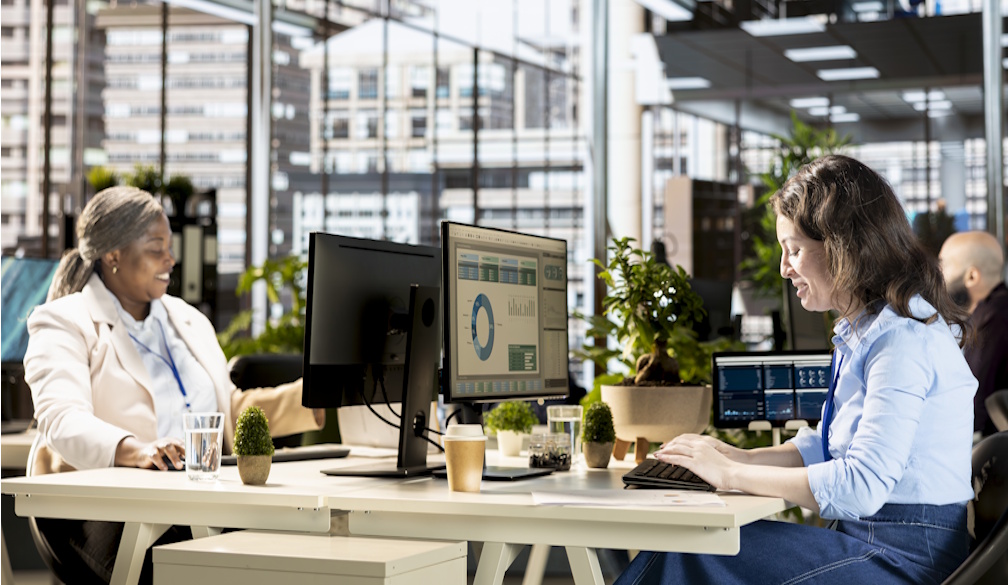
For many Australian businesses, the office is no longer just a place to house desks and computers. It has become a crucial driver of company culture, talent retention, and overall business growth. As the corporate landscape becomes increasingly competitive, small and medium enterprises are realising that their physical workspace can significantly influence their bottom line. For example, commissioning a tailored corporate office fitout in Sydney is becoming a strategic move for companies looking to optimise their physical footprint and actively support their workforce.
The Biobehavioural Impact of the Office Environment
The connection between our surroundings and our mental state is profound. When employees are placed in a dull or uninspiring environment, their motivation and focus naturally decline. Conversely, a space designed with human wellbeing in mind can unlock entirely new levels of performance. This is not merely a design theory. It is backed by hard science and extensive workplace psychology.
For instance, an empirical study from Stanford University researchers found that exposure to natural materials and windows in the workplace not only lowers negative stress impacts but actively increases divergent creativity among employees. When staff feel less stressed and more inspired, they are better equipped to solve complex problems and contribute meaningfully to broader business objectives.
Essential Elements of a High-Performing Workspace
Transforming a standard commercial lease into a thriving operational hub requires close attention to specific design details. Business leaders must consider how different zones cater to various working styles, from collaborative brainstorming sessions to deep and focused tasks. As highlighted in a recent guide on employee productivity, factors like lighting, temperature, and ergonomic furniture have a direct connection to how much teams actually accomplish during their workday.
To maximise output and comfort, modern designs typically incorporate several key elements:
- Acoustic control: Open-plan offices are great for communication but can be disastrous for concentration. Implementing sound-absorbing materials and designated quiet zones helps mitigate distracting noise.
- Ergonomic support: Providing adjustable desks and supportive seating reduces physical strain, keeping staff comfortable and focused throughout the day.
- Biophilic design: Incorporating indoor plant life, natural textures, and maximum sunlight creates a more inviting atmosphere that supports long-term mental health.
Transitioning from Cost Centre to Strategic Asset
Historically, business owners have viewed office upgrades as a pure business expense. However, modern management teams understand that a well-designed workspace is a financial investment with a measurable return. The ongoing costs associated with high staff turnover, consistent absenteeism, and low workplace morale far outweigh the upfront capital expenditure of a comprehensive office redesign.
When the work environment is built to support the people using it, employees naturally feel valued. This sense of belonging directly translates into higher retention rates. Top-tier talent is no longer satisfied with just a competitive salary. Modern professionals expect an environment that facilitates their best work without compromising their wellbeing. By prioritising intelligent spatial design, Australian businesses position themselves as employers of choice in a highly competitive labour market.
Fostering Collaboration and Company Culture
Beyond individual productivity, the layout of a modern office plays a crucial role in shaping internal company culture. The widespread shift towards hybrid work models means that when employees do commute into the office, they are usually looking for genuine connection and collaboration with their peers.
A static layout with endless rows of isolated cubicles actively discourages spontaneous interaction. In contrast, dynamic spaces equipped with comfortable breakout areas, technologically integrated meeting rooms, and centralised communal kitchens naturally draw people together. These casual interactions often spark the most innovative ideas and strengthen interpersonal relationships among team members. A strong and cohesive team is ultimately the engine that drives sustainable business growth over the long term.
The physical workspace remains a powerful operational tool that modern businesses must leverage. By understanding the psychological impacts of design and prioritising essential comfort elements, companies can transform their offices into vibrant environments where people genuinely want to be. When employees are supported by their physical surroundings, their productivity soars, paving the way for lasting commercial success.