Why Australian Homeowners Are Upgrading to Mobile-First Smart Security Ecosystems
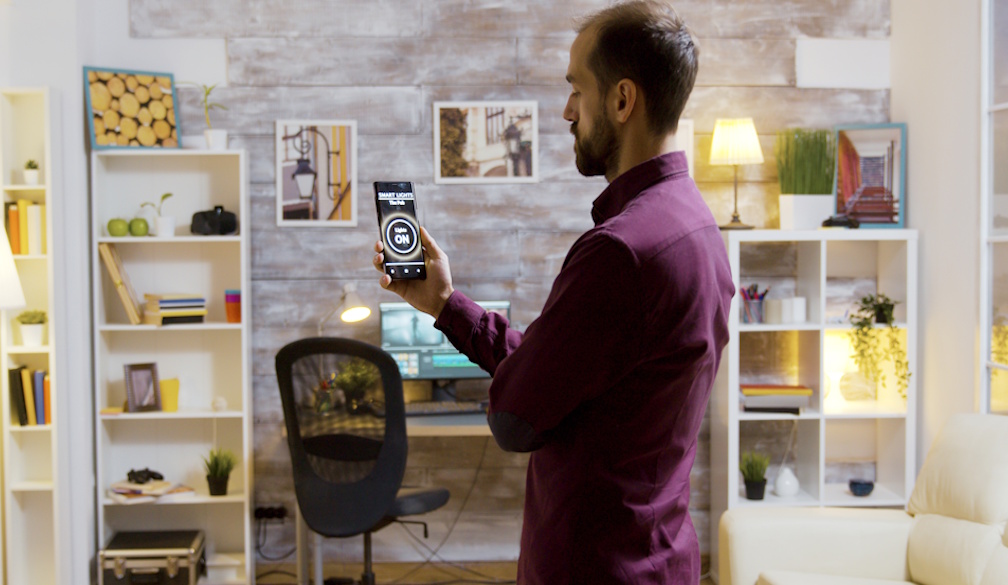
Smartphones have evolved far beyond basic communication devices to become the ultimate remote controls for our daily lives. From managing complex finances to ordering weekly groceries, Australians now expect seamless digital integration in almost every aspect of their routines. This intense expectation for digital convenience is rapidly transforming the landscape of residential property protection. The days of rushing through the front door to punch a four-digit code into a static, beige wall panel are quickly fading into the past. Instead, modern homeowners are seeking smarter, highly intuitive digital solutions that match their lifestyle. When selecting an alarm system for house security today, buyers are largely prioritising mobile-first ecosystems that put total, real-time control firmly in the palms of their hands.
The Rise of the Connected Australian Home
Australians have proven to be enthusiastic early adopters of smart home technology. We are already highly comfortable with the concept of outsourcing our routine domestic management to various mobile applications. For example, consumers routinely rely on sophisticated companion apps to schedule premium appliances like a robotic vacuum and mop cleaner to maintain their floors while they are busy at work. This widespread normalisation of remote home management makes the transition to app-controlled security platforms feel incredibly natural.
If we can instruct a machine to clean our carpets from an office desk, it stands to reason that we should also be able to monitor our front doors and windows from anywhere in the world. Modern security setups successfully bridge the gap between physical hardware and digital convenience. They transform isolated cameras and motion sensors into proactive, fully interactive networks that keep residents constantly informed and empowered.
Core Features of a Mobile-First Security Setup
Upgrading to a connected security ecosystem offers a level of daily functionality that legacy standalone systems simply cannot match. By routing all vital alerts, video feeds, and controls through a single, dedicated mobile interface, these platforms provide unparalleled flexibility for busy families.
The key advantages driving this massive upgrade cycle across the country include:
- Real-time notifications: Users receive instant push alerts accompanied by short video snippets if a perimeter sensor is triggered, allowing for an immediate visual assessment of the situation.
- Remote accessibility: You can arm or disarm the property directly from your smartphone interface. This feature is perfect for letting in trusted tradespeople, parcel couriers, or extended family members without ever needing to share permanent access codes.
- Two-way audio capabilities: Integrated smart doorbells and exterior driveway cameras allow homeowners to speak directly to visitors or clearly deter trespassers, regardless of their actual physical location at the time.
- Automated smart routines: Security devices can easily sync with other smart household fixtures like lighting or electronic deadbolts. For instance, unlocking the front door via the mobile app can automatically disarm the hallway sensors and turn on the interior living room lights.
Prioritising Cybersecurity in Smart Ecosystems
While the incredible convenience of mobile-operated hardware is undeniable, it also introduces vital new digital responsibilities for the homeowner. Connecting household hardware to the internet means that physical security is now deeply intertwined with overall cybersecurity. A poorly secured smart camera or an outdated hub is essentially an open digital window for sophisticated cybercriminals.
For this reason, technology experts strongly advise consumers to rigorously evaluate the digital defence protocols of their chosen hardware brands before installation. According to official industry guidance published by the Australian Cyber Security Centre, manufacturers must ensure that all personal data transmitted between the physical device and the mobile application is strictly encrypted. Furthermore, the agency highlights that a hallmark of good security implementation is ensuring all online accounts associated with a smart device utilise web authentication or multi-factor authentication. By deliberately choosing modern systems that adhere to these strict cybersecurity principles, homeowners can fully enjoy the massive benefits of remote connectivity without exposing their private home networks to unnecessary risks.
The Future of Property Protection
The seamless integration of property protection and mobile technology represents a significant, permanent leap forward in how we manage our living spaces. As our personal and professional lives become increasingly mobile, it makes perfect sense that our approach to physical safety does the same. Upgrading to a mobile-first smart ecosystem delivers much more than just high-tech hardware on the walls. It provides the ultimate modern luxury of continuous, uninterrupted peace of mind. By blending everyday digital convenience with robust, encrypted security measures, Australian homeowners can finally keep a watchful, proactive eye on what matters most to them, no matter where life takes them.