How to Make Your Next Sydney Corporate Event More Enjoyable for Everyone
- Written by: Times Media
Australians have always enjoyed celebrating outdoors. Whether it's a birthday in the backyard, a wedding overlooking the harbour, a family barbecue at the local park or Christmas drinks with friends, some of our best memories are made in the fresh air.
Sydney certainly helps. With warm summers, plenty of sunshine throughout the year and an average maximum temperature of around 26°C in January, it is no surprise that outdoor and partly outdoor events continue to be a popular choice for businesses and families alike.
That same thinking is finding its way into the workplace.
Corporate events no longer have to mean formal function rooms, assigned seating and long speeches. More Sydney businesses are choosing relaxed venues and interactive experiences that help people genuinely connect, whether they are hosting a client function, product launch, staff appreciation day or end-of-year celebration.
If you're an HR manager, office administrator or anyone responsible for organising your company's next event, here are three simple ideas that can help create a corporate gathering your team will genuinely enjoy.
Choose a Venue That Helps People Relax
The venue sets the tone long before the first guest arrives.
A beautiful location does not need to be extravagant, but it should make people feel comfortable from the moment they walk in. Instead of traditional conference rooms or enclosed function spaces, consider venues that make the most of Sydney's climate. Rooftops, waterfront venues, brewery gardens, wineries, courtyards and parks all create a more relaxed atmosphere while giving guests room to move around naturally.
Partly outdoor venues often work particularly well because they offer the best of both worlds. Guests can enjoy the fresh air while still having access to shaded seating, indoor spaces and protection if the weather changes.
Comfort should also be part of your planning. Sydney's warmer months can make outdoor events particularly enjoyable, but they also make shade, cool drinks and comfortable seating essential. A few simple additions, such as umbrellas, misting fans or covered lounge areas, can make a noticeable difference to how long guests stay and how much they enjoy themselves.
Rather than arranging rows of tables where people remain seated for hours, think about creating smaller conversation spaces. High tables, casual seating, picnic-style furniture or lounge areas naturally encourage people to move around and speak with different colleagues throughout the event.
Sometimes, the venue itself becomes one of the reasons people remember the occasion.
Turn Food into Part of the Experience
Good catering has always been important, but today's corporate events are moving beyond the traditional buffet or plated meal.
People enjoy food that feels interactive. It gives attendees something to talk about, encourages movement around the venue and creates natural opportunities for conversation between people who may not usually work together.
Depending on the style of your event, that could include grazing tables, barbecue stations, coffee carts, food trucks or mobile dessert vendors. Instead of simply serving food, these experiences become part of the entertainment.
If you're still deciding what catering style best suits your event, this guide to choosing catering for Sydney corporate events offers some useful ideas on matching food options to different business occasions. Likewise, if you're hosting a smaller workplace celebration, afternoon tea catering can be a simple but effective way to bring staff together without organising a large-scale function.
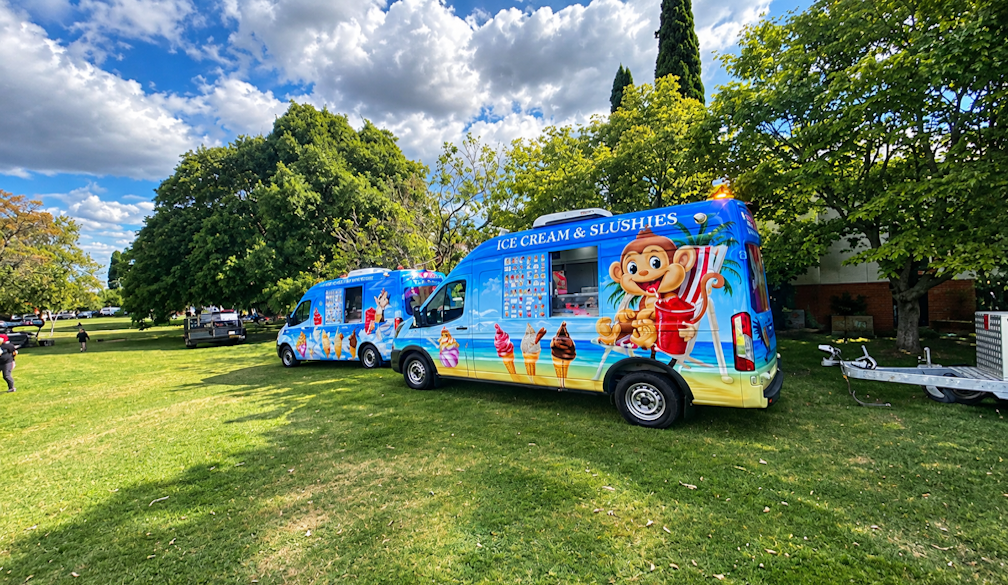
Mobile dessert options have also become increasingly popular for Sydney businesses looking to add something a little different. Services such as Paradise Ice Cream's ice cream van provide an alternative to traditional desserts while creating an experience that guests of all ages tend to enjoy. Rather than ending the event with coffee alone, a mobile dessert station gives people another reason to mingle and finish the day on a relaxed note.
Whatever you choose, keep refreshments flowing throughout the event. Cold drinks, water stations and lighter food options become especially important during Sydney's warmer months, helping guests stay comfortable and enjoy the occasion from start to finish.
Give People a Reason to Interact Naturally
One of the biggest misconceptions about corporate events is that every activity needs to be a formal team-building exercise.
In reality, people usually connect best when conversations happen naturally.
Simple activities often work better than complicated ones because they allow guests to participate without feeling pressured. Lawn games, mini golf, table tennis, trivia, live acoustic music, photo booths or even casual coffee tastings can help break the ice while giving people something to enjoy between conversations.
If your event includes clients, these activities can also create a more relaxed environment where business discussions happen organically rather than feeling scheduled.
Interestingly, NSW Government workplace guidance also encourages opportunities for staff connection through activities such as morning teas, lunchtime gatherings and workplace celebration events. While a larger corporate function is obviously different, the same principle applies. When people have opportunities to connect in an informal setting, they often build stronger workplace relationships.
That does not mean filling every minute with entertainment.
Allow time for people to simply chat, enjoy the food and move around the venue at their own pace. Some of the best conversations happen when there is no agenda at all.
A successful corporate event should leave guests feeling refreshed rather than exhausted.
Bringing It All Together
The most memorable corporate events are rarely remembered because of extravagant decorations or expensive entertainment.
People remember how the event made them feel.
A welcoming venue, thoughtful catering, comfortable outdoor spaces and simple activities that encourage genuine interaction can all make a significant difference to the overall experience.
Whether you're organising a client function, Christmas gala, team appreciation event, product launch or company milestone, these ideas provide a great starting point. Add your own company culture, think about what your team genuinely enjoys and you'll be well on your way to creating a corporate event that people will still be talking about long after it ends.