The Definitive Handbook for Composite Decking Installation
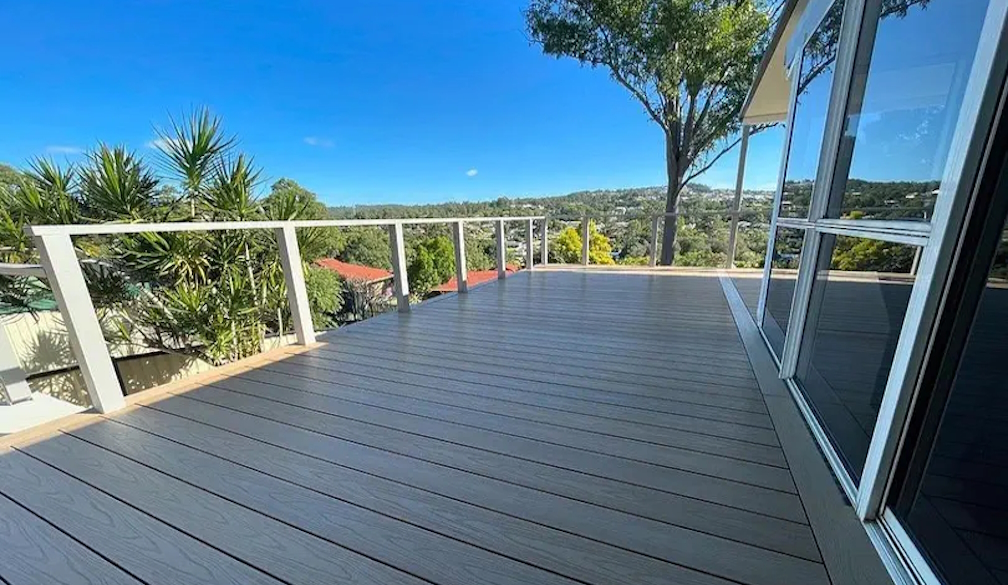
Premium composite decking offers Australian homeowners a durable, attractive, and low-maintenance solution for outdoor living. From patios and balconies to pool surrounds, garden paths, and rooftop decks, composite decking enhances both lifestyle and property value.
While engaging experienced Australian decking suppliers often delivers excellent long-term results, many homeowners choose a hands-on approach. With the right preparation, a DIY composite decking project can be both achievable and rewarding.
If you are considering installing composite decking yourself and are unsure where to begin, this guide will walk you through the process. It provides practical advice to help you plan, install, and enjoy a well-finished outdoor space with confidence.
The Benefits of Installing Composite Decking Yourself
A DIY composite decking project can be demanding, but it also comes with meaningful advantages.
Personal achievement
Completing your own decking project brings a strong sense of satisfaction and builds confidence for future home improvement work.
Design freedom
DIY installation allows you complete control over board styles, colours, layouts, and finishing details, ensuring the deck complements your home perfectly.
Reduced labour costs
By installing the deck yourself, you eliminate installation fees, which can significantly reduce overall project costs.
Long-term financial value
Although composite deck boards can involve a higher upfront spend, it does not require ongoing staining, sealing, or painting. Over time, this makes it a cost-effective option that also supports property value.
Potential Challenges of DIY Composite Decking
Before committing to a DIY installation, it is important to understand the possible downsides.
Specialised tools required
Composite decking behaves differently from traditional timber and often requires specific tools such as hidden fasteners, impact drivers, torque-controlled drills, circular saws, and rubber mallets. Correct joist spacing is also essential to prevent sagging.
Time commitment
A small deck may take several days to complete, while larger or more complex builds can take one to two weeks or longer, particularly for first-time installers.
Risk of costly errors
Incorrect cutting, spacing, or substructure work can result in expensive fixes that may outweigh the savings from DIY labour.
Finish quality
Achieving clean lines, consistent spacing, and proper alignment can be challenging without experience, which may affect the final appearance.
Warranty considerations
Most manufacturers specify approved installation methods and components. Failure to follow these guidelines may void product warranties.
Step by Step Guide to DIY Composite Decking Installation
If you decide to proceed with a DIY installation, preparation is key. Having the right tools, materials, and understanding of best practices will improve your outcome.
Step 1: Decide if DIY Installation Is Realistic
Start by honestly assessing your skills and available time. Consider whether you can manage tasks such as cutting boards, installing joists, and securing fasteners accurately.
Ask yourself if you are comfortable using tools like circular saws, mitre saws, impact drivers, and fastening systems. If not, having an experienced friend assist can make a significant difference.
In Australia, decks over one metre high usually require council approval. Always check local regulations before starting.
Step 2: Choose the Right Materials
Selecting suitable decking materials is essential for success. A trusted suppliers offer a wide range of composite decking options, including:
- Super realistic boards
- Premium solid boards
- Premium hollow boards
- Budget-friendly boards
Each option has different strengths depending on budget, structure, and usage. If you are unsure which boards suit your project, professional advice can help you avoid costly mistakes.
Step 3: Plan Your Deck Design Carefully
Thoughtful design simplifies installation and improves results.
Deck height and shape
Low to mid-level Pioneer deck boards are generally easier to build and avoid complex railing or stair requirements. Simple square or rectangular designs are ideal for DIY projects and still deliver strong visual impact.
Board layout
Straight-laid boards are the most beginner-friendly option, as they require less complex substructure framing. More intricate patterns are best left to experienced installers.
End finishing
Use fascia boards or picture-frame borders to conceal exposed board ends. This creates a clean, professional finish and simplifies edge detailing.
Colour choice
Mid to dark tones such as charcoal, grey, deep brown, sandstone, or natural wood shades help mask minor imperfections and show less dust and debris during installation.
Step 4: Follow Composite Decking Installation Best Practices
Composite decking shares many similarities with timber decking, but there are key differences to follow.
Substructure spacing
Standard composite decking joist spacing is typically 400 mm on centre. Reducing this to 300 mm creates a more solid feel and reduces board flex.
Ensure joists are spaced 100 mm to 150 mm apart where required to promote airflow, drainage, and long-term stability.
Board spacing
Leave 3 to 5 mm gaps between boards for residential decks to allow for expansion and prevent buckling. In hotter climates, slightly wider spacing may be recommended.
Allow additional expansion space at board ends and always follow manufacturer guidelines.
Step 5: Assess Railing Requirements
Railings improve safety and visual appeal. In most cases, decks under one metre high do not require a railing. Sydney composite decks above this height must comply with Australian building standards.
Confirm local code requirements before proceeding with construction.
Step 6: Plan Deck Lighting Early
Deck lighting enhances safety, extends evening usability, and creates a welcoming atmosphere. It can also improve security and highlight key design features.
Lighting systems often need to be installed before decking boards are fixed. Whether using temporary string lights or permanent LED fixtures, choose low-energy, durable options designed for outdoor use.
Final Thoughts on DIY Composite Decking
Installing composite decking yourself can be a satisfying and cost-effective project that allows full design control and long-term value. However, it also comes with challenges such as specialised tools, longer timelines, and the risk of mistakes.
By understanding these factors and following a structured installation approach, you can significantly improve your chances of a successful outcome.