Designing a Seamless Open-Plan Kitchen for Modern Australian Homes
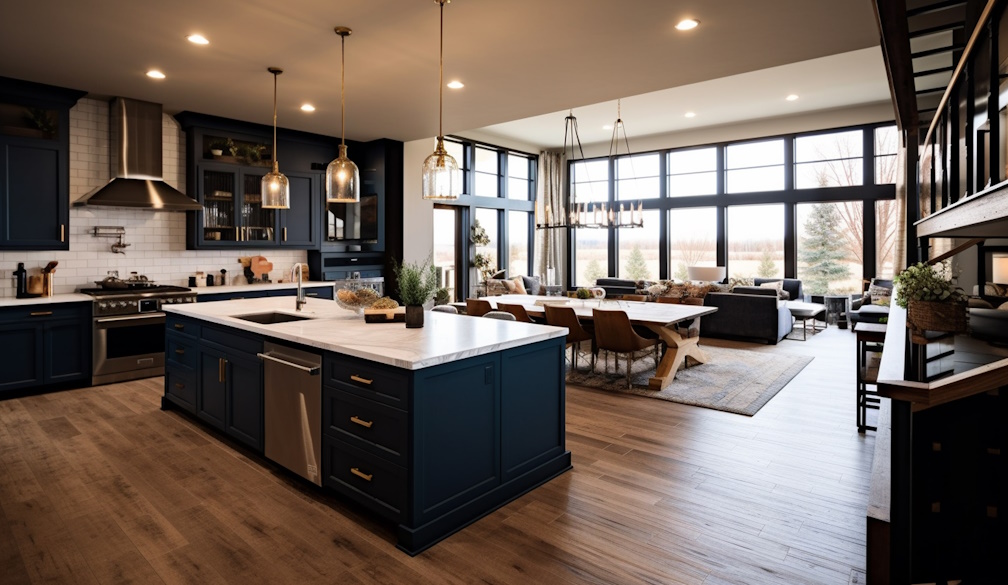
The Australian home has evolved significantly over the past decade to embrace our love for indoor and outdoor living. The traditional layout of isolated rooms has largely been replaced by the 'great room' concept. This design philosophy seamlessly blends cooking, dining, and living spaces to maximise natural light and capture cross-ventilation, which is highly prized in the Australian climate. However, creating a highly functional open-plan kitchen is far more complex than simply tearing down walls. It requires a thoughtful approach to spatial flow, acoustic management, and appliance integration to ensure the cooking zone perfectly complements the broader living area without dominating it.
Defining Zones Without Compromising Visual Flow
The success of any open-concept layout hinges on subtle spatial division. When you remove internal walls, the kitchen becomes entirely visible from the lounge and dining areas. The central goal is to establish distinct functional areas while maintaining a cohesive aesthetic throughout the entire floor plan. When researching interior design ideas for open plan living spaces, a recurring piece of expert advice is to use furniture as an architectural element. Positioning a textured modular sofa or laying down a large, defining rug can clearly mark where the kitchen ends and the relaxation zone begins.
Additionally, material choices play a major role in creating a unified look. Following the nationwide ban on engineered stone benchtops in July 2024, Australian homeowners are increasingly turning to alternative seamless materials like porcelain, sintered stone, and natural timber. These surface materials can be paired with bespoke custom joinery designed to hide everyday clutter, ensuring a smooth, uninterrupted transition into the adjoining rooms.
Managing Acoustic Comfort in Shared Spaces
A major challenge of modern open-plan architecture is the 'echo effect'. Without physical barriers, sound travels freely across the home, meaning the clatter of pots, running tap water, and the hum of motors can easily disrupt a quiet evening in the living room. Selecting the right household appliances is absolutely crucial for maintaining a peaceful environment, and whitegoods must be engineered for exceptionally low noise output. For instance, incorporating modern Mitsubishi fridges into your layout ensures that advanced inverter technology operates at whisper-quiet levels, often as low as 15 decibels, which prevents the constant background humming that often plagues open-concept designs.
Beyond quiet appliances, design experts recommend implementing several effective sound-dampening architectural strategies to preserve the peace in shared environments:
- Soft furnishings: Incorporating heavy sheer curtains and thick cut-pile rugs in the living zone helps absorb sound waves that typically bounce off hard kitchen surfaces.
- Acoustic buffers: Using freestanding storage walls and built-in cabinetry can act as physical sound barriers, effectively defining zones without breaking the visual flow.
- Strategic layouts: Keeping the wet areas and major food preparation zones tucked away in a butler's pantry can isolate the loudest kitchen activities from the main entertainment space.
Balancing Aesthetics with Energy Efficiency
A beautifully designed open-plan kitchen must also be highly practical and cost-effective to run over the long term. A recent Houzz Australia study revealed that 95 percent of homeowners now incorporate at least one sustainable feature into their kitchen renovations. This strong focus on sustainability naturally extends beyond water-saving tapware to the very heart of the kitchen setup.
Because large household appliances run continuously, their efficiency ratings significantly impact your ongoing cost of living. According to the Australian Government, fridges and freezers account for around 10 percent of household energy bills, making it essential to select an energy-efficient model. Taking the time to compare annual kilowatt-hour consumption using the national Energy Rating Label system is a vital step before making any major purchase.
Fortunately, modern high-efficiency appliances do not require any compromise on interior style. Today, premium refrigeration units feature flat-panel profiles and sophisticated finishes, such as brilliant black glass or dark stainless steel, designed to sit entirely flush with standard Australian cabinetry. Furthermore, smart storage solutions like customisable multi-drawer systems and produce-preserving crisper technology help modern households reduce food waste, all while seamlessly matching the aesthetic demands of a luxury open-plan space.
Designing a modern open-plan kitchen is about striking the perfect balance between sophisticated form and everyday function. By prioritising acoustic comfort, selecting highly efficient and whisper-quiet appliances, and using clever zoning techniques, you can create an elegant, highly functional space. The final result is a welcoming home environment that effortlessly caters to both lively weekend entertaining and relaxed, quiet weeknights.