Hybrid, Plug-in Hybrid or Electric? Understanding the Differences
- Written by: The Times
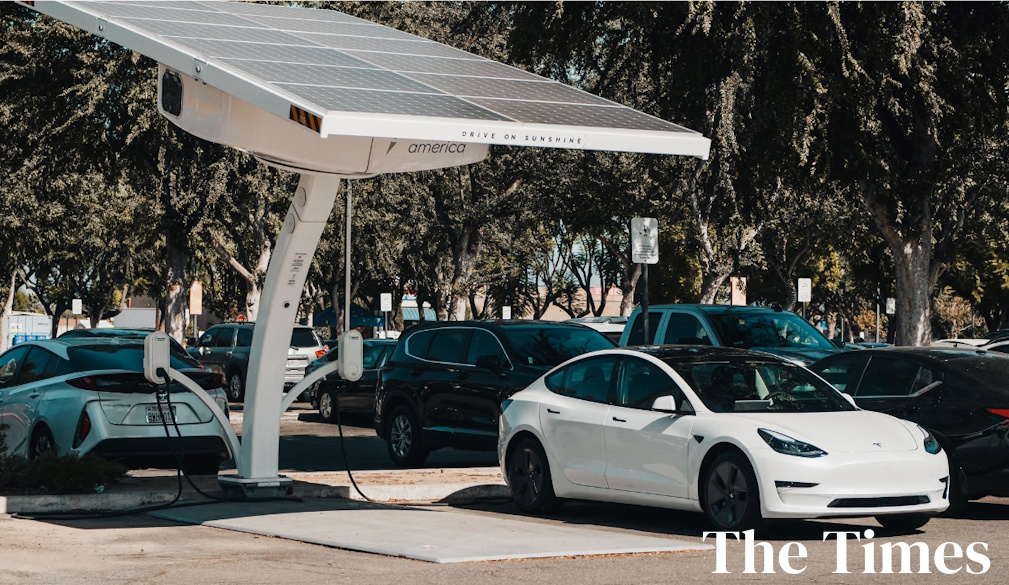
Buying a new car has become more complicated than choosing between petrol and diesel. Today's buyers can choose from conventional hybrids, plug-in hybrids and fully electric vehicles, each with its own strengths and compromises.
Understanding how they differ can make the decision much easier.
Hybrid (HEV)
A conventional hybrid combines a petrol engine with one or more electric motors.
The battery is charged automatically while driving through regenerative braking and by the petrol engine itself. Drivers never need to plug the vehicle into a charger.
At lower speeds, a hybrid may operate on electric power alone for short distances before the petrol engine takes over or works alongside the electric motor.
Advantages
- Lower fuel consumption than a conventional petrol vehicle.
- No need to install a home charger.
- Refuels at any petrol station.
- Well suited to city driving with frequent stop-start traffic.
- Proven technology with many years of development.
Limitations
- Still relies on petrol.
- Cannot travel long distances on electricity alone.
- Produces exhaust emissions.
Plug-in Hybrid (PHEV)
A plug-in hybrid also has a petrol engine and an electric motor, but its battery is much larger.
Unlike a conventional hybrid, it can be charged from an external power source. Many plug-in hybrids can travel 50 to 100 kilometres on electricity alone before the petrol engine is needed.
For people whose daily commute falls within that range, much of their driving can be completed without using petrol.
Advantages
- Can operate as an electric vehicle for many daily trips.
- Petrol engine removes concerns about long-distance travel.
- Lower fuel costs if charged regularly.
- Offers flexibility for both city and regional driving.
Limitations
- More expensive than many conventional hybrids.
- Delivers its greatest savings only if owners regularly recharge the battery.
- More complex than either a standard hybrid or a fully electric vehicle.
Battery Electric Vehicle (EV)
A fully electric vehicle has no petrol engine.
It is powered entirely by rechargeable batteries and electric motors. Charging can be done at home, at the workplace or at Australia's growing network of public charging stations.
Electric vehicles produce no tailpipe emissions and are generally quiet, smooth and quick to accelerate.
Advantages
- No petrol required.
- Lower servicing requirements due to fewer moving parts.
- Instant acceleration.
- Zero tailpipe emissions.
- Increasing number of charging locations across Australia.
Limitations
- Charging takes longer than refuelling with petrol.
- Long-distance travel requires planning around charging availability.
- Purchase prices remain higher than some comparable petrol vehicles, although the gap continues to narrow.
Which One Is Right for You?
The best choice depends on how and where you drive.
Drivers who mainly travel around town and want excellent fuel economy without changing their routine often choose a conventional hybrid.
Those with shorter daily commutes but who still take occasional long road trips may find a plug-in hybrid offers the best of both worlds.
Motorists with reliable access to charging and predominantly metropolitan driving may prefer the simplicity and lower running costs of a fully electric vehicle.
The Bottom Line
Australia's roads are likely to feature all three technologies for many years.
Hybrids continue to attract buyers seeking lower fuel bills without changing driving habits. Plug-in hybrids provide an effective bridge between petrol and electric motoring. Fully electric vehicles represent the industry's long-term direction as batteries improve and charging infrastructure expands.
Rather than asking which technology is best, many Australians are now asking which technology best suits the way they live. For most buyers, that is the question that matters.