Effective Tips for Preventing Termites During Summer
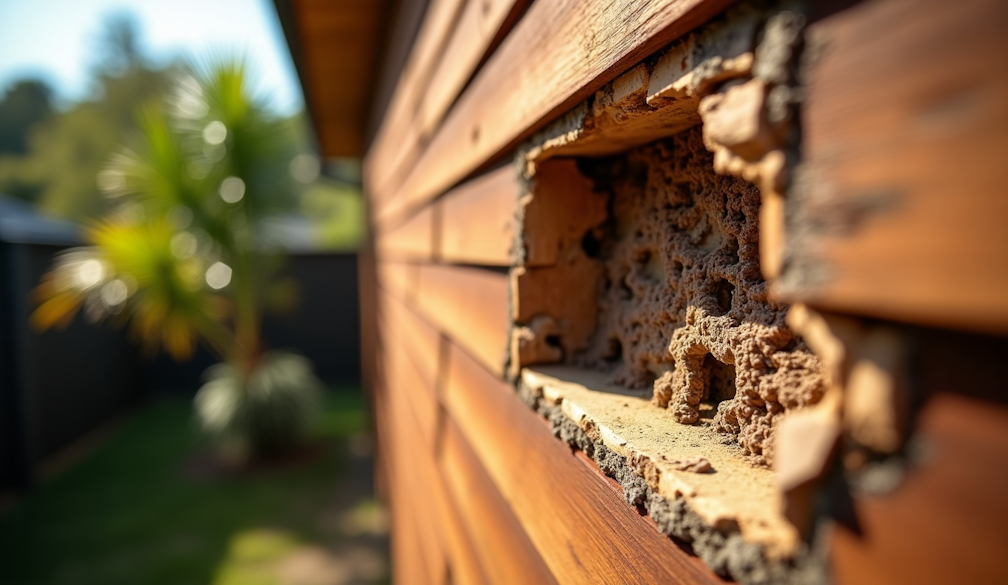
Homeowners in Brisbane experience some of the most expensive termite repair bills in the country. The city’s climate creates ideal conditions for termite activity, particularly during the warmer months.
Termites are most active between November and March. Heat combined with high humidity provides the perfect environment for colonies to thrive. Recent and ongoing rainfall increases the risk even further. Moist soil allows termites to travel just 2 centimetres below the surface, compared to as deep as 5 metres in dry ground.
It’s important to have a structured summer termite prevention plan in place. This article outlines practical and effective steps you can take to protect your home during the peak termite season.
Why Summer Increases Termite Risk in Brisbane
Brisbane’s warm and humid summers are highly favourable for termite populations. Between November and March, colonies grow more rapidly as temperatures rise and rainfall becomes more frequent.
Warmer conditions encourage the queen termite to produce more eggs, while worker termites can locate food sources more efficiently. Humidity helps termites maintain the moisture they rely on to survive, allowing colonies to expand at a faster rate.
Summer is also the time when winged termites, known as alates, leave their colonies to form new ones. This swarming behaviour often targets damp areas of homes such as bathrooms, laundries, and kitchens. Increased rainfall during the wet season further supports subterranean termites, which can cause extensive structural damage in a short time.
Recent weather patterns have intensified termite activity across Brisbane:
- Higher temperatures accelerate feeding and reproduction
- Excess moisture from flooding encourages colony development
- Storm damage creates new access points into buildings
The Queensland Building and Construction Commission warns that termite activity often spikes after heavy rain and flooding. It is estimated that one in five Queensland homes will experience termite damage at some stage, making summer prevention essential for Brisbane homeowners.
Key Steps for Summer Termite Prevention
Effective termite protection relies on several layers of defence. The first priority is controlling moisture and addressing any sources of water around your home. Adequate drainage is equally important.
A strong summer termite prevention strategy should include the following:
Moisture Control: Repair leaking taps, pipes, and air conditioning units promptly
Barrier Protection: Install a chemical termite barrier around the perimeter of the property
Firewood Storage: Store firewood at least 6 metres away from the house
Garden Maintenance: Maintain a minimum 300 mm clearance between plants and external walls
Routine Inspections: Arrange professional inspections and carry out regular visual checks
All potential entry points around the foundation should be sealed. Applying a high quality outdoor sealant to exposed timber helps create an added layer of defence. Good ventilation in areas such as roof spaces and subfloors is essential to reduce condensation and excess moisture.
Where possible, use recycled rubber mulch instead of timber mulch near the house. Garden beds close to external walls should be watered carefully to avoid damp soil building up against the structure.
Construction materials and timber items should be stored on concrete or metal racks at least 20 centimetres off the ground. Remove dead tree stumps, rotting timber, and wood debris from the yard, as these are ideal nesting sites for termites.
Creating an Effective Termite Prevention Plan
Long term protection starts with a professional termite management system. The first step is a comprehensive inspection by a licensed pest controller who can assess your property and recommend a tailored treatment plan.
Professionally installed chemical barriers can protect your home for several years. In contrast, many DIY treatments provide protection for only a few weeks or months. Even with a professional barrier in place, annual inspections are advised, as early detection is always more cost effective than repairs.
Your termite protection system must comply with Building Code of Australia requirements, which include:
- A durable notice installed in the electrical meter box explaining the protection method
- Clear records of the installation date and chemical life expectancy
- Details of the recommended inspection schedule
- Identification of specific inspection zones
Annual professional inspections are required to maintain warranty coverage.
For properties with a history of termite activity, inspections should be carried out every six months. Additional inspections should also be scheduled after renovations, landscaping changes, or alterations to patios and garden beds, as these can interfere with existing barrier systems.
Professional treatments use specialised equipment to inject termiticide deep into the soil under pressure. This approach provides comprehensive coverage and long lasting protection, unlike store bought products that only treat surface areas.
Conclusion
Protecting your Brisbane home from termites is especially important during summer. The period between November and March is when termite activity is at its highest, and vigilance during this time is critical.
Successful termite prevention requires a combination of strategies working together. Enlist the services of a Brisbane northside termite inspection professional to ensure effective moisture control, barrier installation, and landscaping practices that reduce termite risk. Chemical treatments implemented by termite professionals, help provide long term protection measured in years rather than weeks.
Safeguarding your home before termites cause damage is essential. Regular inspections, a well maintained prevention system, and fast action when warning signs appear make a significant difference. When combined with the strategies outlined above, these measures help protect your Brisbane property throughout summer and well into the future.