Google AI
The Times Australia

Times Media Advertising

Solo Travel: why? Do as you like, when you like, anywhere in Australia

  • Written by: The Times

Solo travel in Australia

There was a time when travel was almost always a shared experience—family holidays, group tours, couples’ getaways. Today, a different mindset is taking hold across Australia. Solo travel is no longer a niche pursuit; it is a growing movement driven by independence, flexibility and a desire for deeply personal experiences.

For many Australians, the appeal is simple: go where you want, when you want, without compromise. No negotiating itineraries, no waiting on others, no missing out on something because it does not suit the group. Solo travel offers complete autonomy—and for an increasing number of travellers, that freedom is worth more than any discount for sharing.

Why solo travel is gaining ground

The rise of solo travel reflects broader social and economic shifts. Flexible work arrangements, later life milestones, and a stronger emphasis on personal wellbeing have all contributed. Travellers are no longer waiting for the “right time” or the “right companion”. They are simply going.

Australia, with its diverse landscapes and well-developed tourism infrastructure, is particularly suited to solo exploration. From coastal drives to outback adventures, the country offers experiences that can be tailored to any pace, budget or comfort level.

There is also a psychological dimension. Solo travel allows for immersion in a way that group travel often does not. It encourages spontaneity—taking a detour, staying an extra night, or simply sitting in a place long enough to absorb it.

What operators offer solo fares

Recognising this shift, many travel operators have adapted their pricing and offerings to cater specifically to solo travellers. Historically, single travellers faced a “single supplement”—an additional cost applied because accommodation was priced for two. That model is slowly changing.

Companies such as Intrepid Travel and G Adventures have built strong reputations for accommodating solo travellers, often pairing individuals of the same gender to avoid single supplements or offering them at reduced rates.

Cruise operators, including Norwegian Cruise Line, have introduced dedicated solo cabins—smaller, more affordable rooms designed specifically for individual travellers. This eliminates the need to pay for unused space.

In Australia, rail journeys such as those operated by Journey Beyond—including iconic routes like The Ghan—offer solo fares with flexible accommodation options, though supplements may still apply depending on the cabin category.

Touring companies are also increasingly transparent about solo pricing. Rather than penalising single travellers, many now structure packages with optional upgrades, allowing travellers to choose between shared or private accommodation.

Standard solo travel opportunities

For those new to solo travel, Australia offers a range of well-established routes that provide both independence and a degree of familiarity.

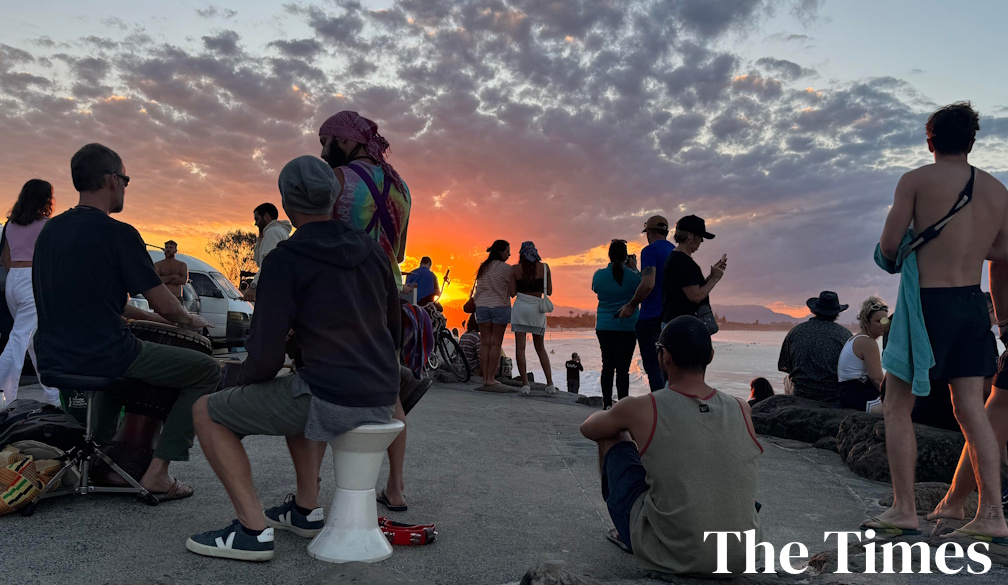
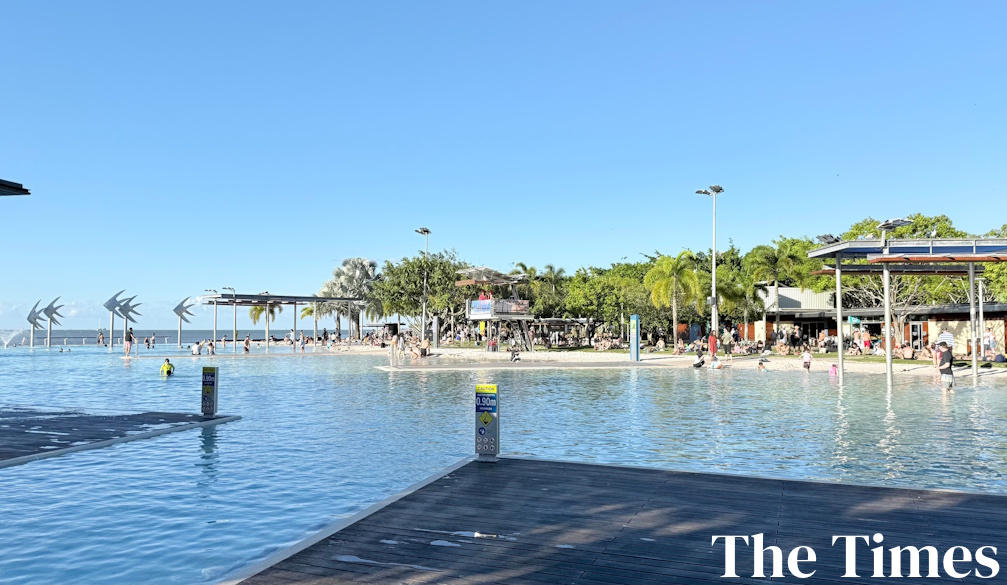
The east coast remains a classic. Travelling from Sydney to Cairns offers a mix of beaches, cities and natural attractions, with excellent transport links and a strong tourism network. Solo travellers can move at their own pace, stopping in places like Byron Bay or the Whitsundays.

Tasmania is another standout. Compact, scenic and accessible, it allows solo travellers to explore diverse landscapes—from coastal drives to wilderness areas—without long distances. Hobart provides a cultural base, while regional areas offer quiet, immersive experiences.

Western Australia’s south-west, anchored by Perth, is also ideal. The Margaret River region combines food, wine and coastline, making it a comfortable yet rewarding solo journey.

These routes are popular for a reason—they are well-supported, relatively safe, and offer a wide range of accommodation options suited to solo travellers.

The roads less travelled

Beyond the well-known routes lies a different kind of solo travel—one defined by remoteness, discovery and a stronger sense of self-reliance.

The Nullarbor Plain offers one of Australia’s most iconic drives. Crossing it solo is not just a journey but an experience in solitude. The vastness, the silence, and the sense of distance from everyday life are part of the appeal.

In the Northern Territory, exploring Kakadu National Park or venturing towards Arnhem Land provides a deeper connection to Australia’s natural and cultural heritage. These trips often require more planning and, in some cases, guided access, but they offer rewards that more accessible destinations cannot.

South Australia’s Eyre Peninsula is another lesser-travelled gem. With rugged coastline, wildlife encounters and fewer crowds, it suits travellers seeking a quieter experience.

These journeys are not for everyone, but for experienced solo travellers, they represent the essence of independence.

How fares are calculated for solo adventurers

Understanding pricing is key to planning a solo trip.

At its core, the “single supplement” exists because many travel costs—particularly accommodation—are structured around double occupancy. A hotel room costs roughly the same whether one or two people use it, so operators charge a supplement to cover the perceived loss of shared revenue.

However, this model is evolving.

Some operators now offer “no single supplement” deals, particularly on selected departures or off-peak periods. Others use dynamic pricing, where the supplement varies depending on demand.

Transport costs—flights, trains, buses—are generally the same per person regardless of whether you travel alone or in a group. The main pricing difference lies in accommodation and, occasionally, guided tours.

For self-planned travel, solo adventurers can manage costs by choosing smaller rooms, boutique accommodation, or short-term rentals. Flexibility with dates and destinations also plays a significant role in securing better value.

What solo travellers look for in an itinerary

When choosing an itinerary, solo travellers prioritise different factors compared to groups or families.

Safety is paramount. This does not necessarily mean avoiding remote areas, but it does mean understanding risks, having reliable transport, and maintaining communication where possible.

Flexibility is equally important. Solo travellers often prefer itineraries that allow for change—staying longer in a place they enjoy or moving on quickly if something does not resonate.

Connection is another key element. While travelling alone, many still seek opportunities to meet others—through small group tours, shared accommodation or local experiences. The balance between solitude and social interaction is a defining feature of solo travel.

Practical considerations also matter. Access to transport, availability of services, and ease of navigation all influence decision-making. Solo travellers are often more attuned to these details because they are solely responsible for managing them.

Finally, there is the intangible factor: experience. Solo travellers tend to prioritise destinations that offer something meaningful—whether it is natural beauty, cultural depth or simply a sense of escape.

Conclusion

Solo travel in Australia is no longer an alternative—it is a mainstream choice for those seeking freedom, flexibility and personal discovery.

From well-trodden coastal routes to remote outback journeys, the country offers an extraordinary range of experiences for individuals willing to step out on their own. Travel operators are adapting, pricing models are evolving, and the barriers that once discouraged solo adventurers are gradually being removed.

At its core, solo travel is about control—over time, over choices, and over the journey itself. It is about doing exactly what you want, when you want, wherever you choose.

And in a country as vast and varied as Australia, that freedom is not just appealing—it is transformative.

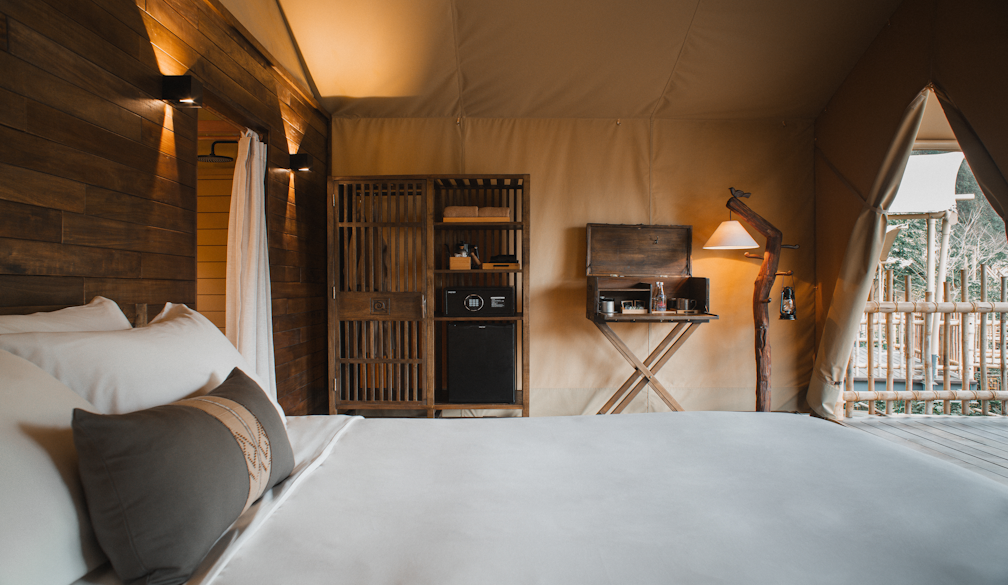
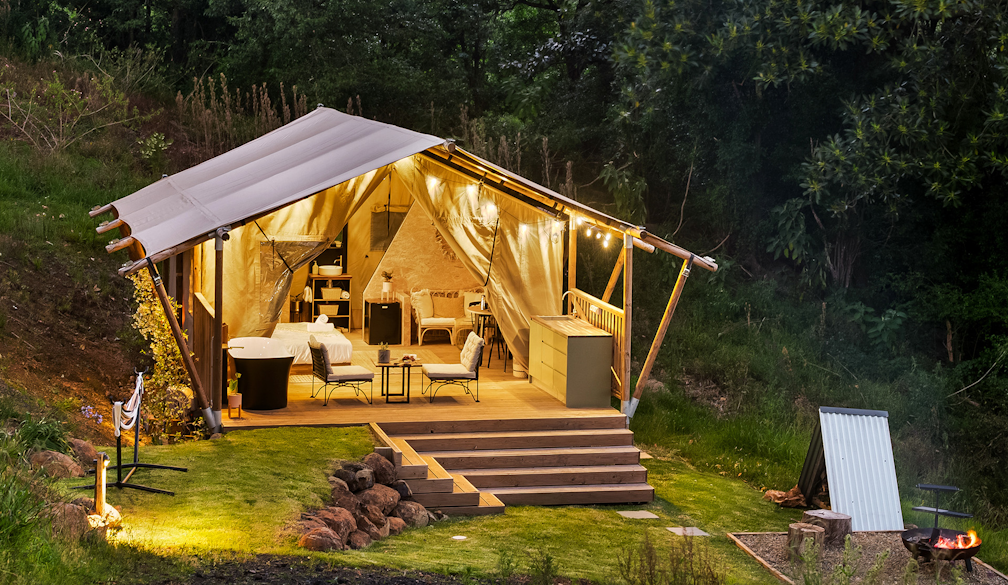
Spirit Bay is ideal for the solo traveller

Times Magazine

The Human Supplement Craze Has Officially Gone to the Dogs (Literally)

Australians’ appetite for supplements is no longer limited to their own vitamin cabinets. New reta...

AI Guilt: It’s Real — But it is irrational

Artificial intelligence is rapidly becoming one of the most powerful tools ever made available to ...

Australians Are Keeping Their Cars Longer — And It’s Changing The Market

Australia’s car market is undergoing a subtle but important transformation. People are keeping th...

Streaming Fatigue: Australians Overwhelmed By Subscriptions

Streaming was once supposed to simplify entertainment. Instead, many Australians now feel overwhe...

Why Shopping Centres No Longer Feel Exciting

There was a time when going to the shopping centre felt like an event. Families spent entire Satu...

Harry And Meghan: Less Powerful As Royals, More Powerful As Content

For all the claims of “Harry and Meghan fatigue”, the world’s media still cannot stop talking abou...

Holidays & Travel

The Departure Tax Rise: Travellers Pay — But So Does Australia

Australians booking overseas holidays are becoming increasingly familiar with a harsh reality of modern travel: the airfare adve...

Budget Holidays in Australia: How to Travel More and Spend Less

For many Australians, the idea of a holiday now comes with a difficult question: can we still afford one? Airfares fluctuate wi...

Alpine resorts unite on a new digital platform

Alpine Resorts Victoria has successfully gone live on a new Digital Visitor Servicing Platform  (DVSP), for all six resorts, marki...

64% of Aussie kids are influencing family holiday plans and they’re choosing Cairns

Forget coats and heaters- think t-shirts, thongs, sunscreen and swimming. Whales aren’t the only ones heading north this winter, w...

Crystalbrook Collection’s Cairns Hotels and Resorts Achieve EarthCheck Gold Status - A First for Australia

The milestone marks the first time three hotels in one region have reached Gold status simultaneously, setting a new benchmark for...

dusitD2 Feydhoo Maldives introduces stylish new event venue near Malé

Feydhoo Hall responds to rising demand for destination weddings, corporate retreats, and creative gatherings in the Maldives Mald...