Overtourism: Why Some of the World's Most Popular Destinations Are Telling Tourists to Stay Away
- Written by: The Times
For decades, attracting more visitors was the goal of tourism authorities around the world. More tourists meant more jobs, stronger local businesses and valuable foreign income.
Today, however, a growing number of destinations are facing a different challenge: too many visitors.
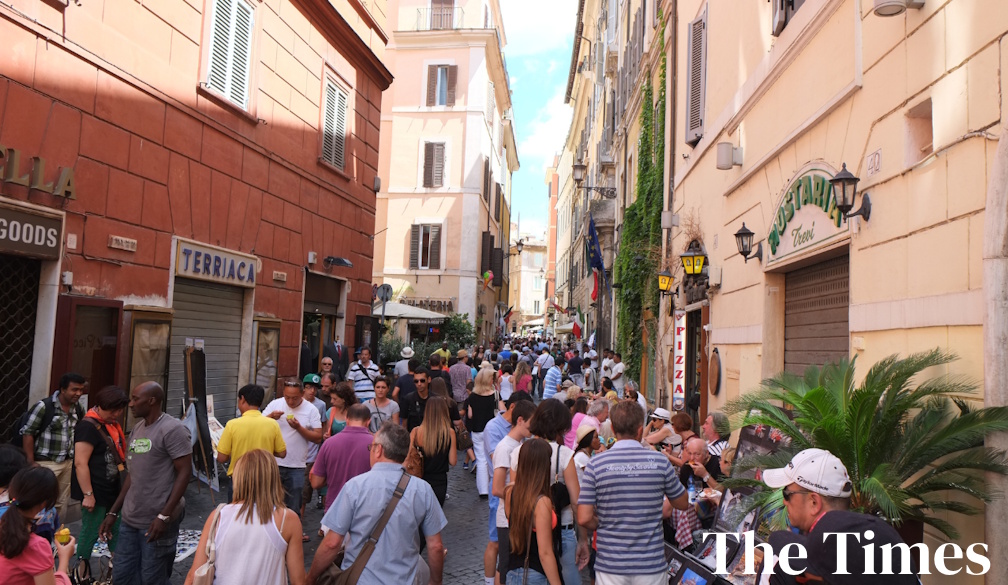
The rise of affordable air travel, cruise holidays, social media and short-term accommodation platforms has transformed tourism. Famous landmarks that once experienced seasonal crowds can now be busy almost every day of the year.
As a result, several destinations have introduced measures designed not to attract more visitors, but to manage, reduce or redirect them.
Venice, Italy
Venice has become one of the world's best-known examples of overtourism.
Large cruise ships, day-trippers and narrow streets created enormous pressure on the historic city. Local residents have complained about rising housing costs, overcrowding and the loss of neighbourhood character.
Authorities have introduced entry fees for some day visitors, limits on large cruise ships and tighter regulation of tourist accommodation in an effort to preserve the city.
Barcelona, Spain
Barcelona remains one of Europe's most visited cities, but residents have increasingly voiced concerns about tourism's impact.
Rapid growth in holiday rentals has reduced housing availability for locals, while crowded public spaces and beaches have changed everyday life in many neighbourhoods.
City authorities have moved to restrict new tourist accommodation and strengthen controls on short-term rentals.
Amsterdam, Netherlands
Amsterdam has deliberately shifted its tourism strategy.
Rather than simply encouraging visitor numbers, the city now promotes responsible tourism and has discouraged some forms of party tourism.
Campaigns urging disruptive visitors to stay away, combined with tighter regulations on accommodation and entertainment precincts, reflect a broader focus on protecting residents' quality of life.
Kyoto, Japan
Kyoto's historic temples, gardens and traditional districts attract millions of visitors each year.
Some residential areas have experienced problems including overcrowding, trespassing and inappropriate behaviour around private homes and cultural sites.
Local authorities have increased visitor education and introduced measures to help spread tourism across different locations and seasons.
Santorini, Greece
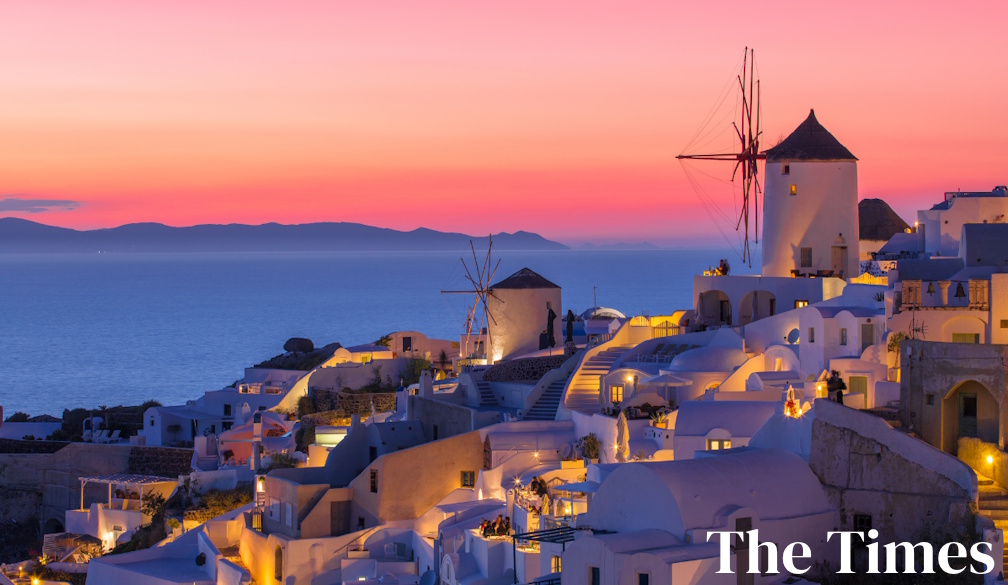
Santorini's spectacular sunsets continue to attract visitors from around the world.
However, the island's limited infrastructure faces enormous pressure during peak holiday periods, particularly when multiple cruise ships arrive on the same day.
Authorities have considered and introduced measures to better manage cruise arrivals and visitor numbers.
Bali, Indonesia
Bali welcomes tourism as a major contributor to its economy, but local authorities have also responded to concerns about environmental damage, traffic congestion and disrespectful behaviour at cultural and religious sites.
New visitor guidelines and tourism levies are intended to support environmental protection and encourage respectful travel.
Why Destinations Are Changing Course
Several common themes are emerging worldwide:
- Housing becoming unaffordable for local residents.
- Pressure on roads, transport and public infrastructure.
- Damage to natural environments.
- Preservation of historic buildings and heritage sites.
- Protection of local culture and community identity.
- Managing waste, water and environmental sustainability.
The challenge for governments is finding the balance between economic benefits and maintaining liveable communities.
Tourism Is Still Welcome — But Managed
Importantly, very few destinations are trying to eliminate tourism altogether.
Instead, many are encouraging visitors to travel outside peak periods, stay longer rather than make brief visits, explore lesser-known regions and respect local customs.
Responsible tourism is increasingly viewed as the key to preserving the very places people travel to experience.
As international travel continues to grow, the future of tourism may not be measured simply by visitor numbers, but by how well destinations balance economic opportunity with the protection of their communities, culture and environment.