Australian Fashion Week: Local Style Takes Centre Stage
- Written by: The Times
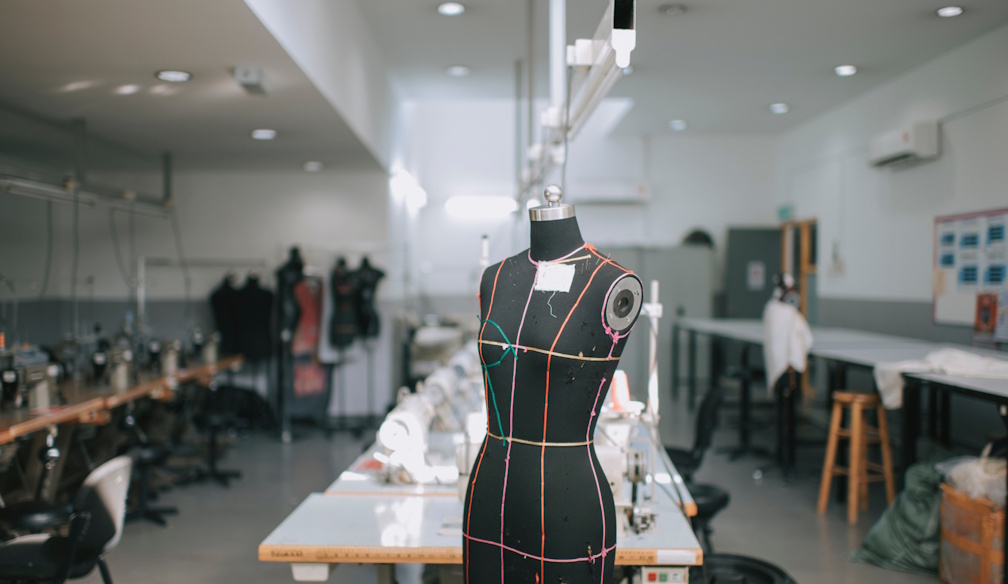
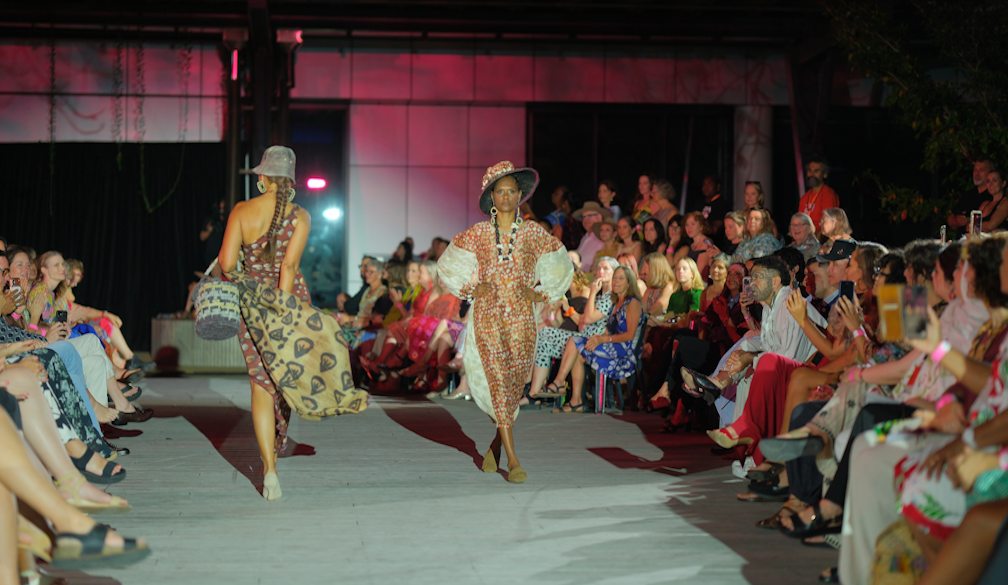
Australian fashion is once again stepping onto the global stage as Australian Fashion Week draws designers, retailers, influencers, media organisations and buyers from around the world. While the runways provide glamour and celebrity appeal, the event has become far more than a showcase of clothing. For Australia’s fashion sector, it is increasingly an economic and cultural statement about creativity, exports, retail confidence and international relevance.
Held in Sydney and supported by major fashion houses, sponsors and retailers, Australian Fashion Week continues to evolve into a platform where local designers attempt to break into highly competitive international markets while domestic brands seek to strengthen loyalty at home.
Global Exposure Matters More Than Ever
For emerging Australian designers, international visibility can determine whether a fashion label remains a boutique operation or grows into a recognised global brand.
Fashion Week delivers something that traditional advertising often cannot: concentrated global attention. International buyers, luxury department stores, stylists, digital creators and fashion journalists all gather in one place searching for the next commercially viable trend.
Australian labels have historically been known for relaxed resort wear, beach-inspired aesthetics and practical luxury suited to warmer climates. However, recent years have seen local fashion broaden considerably. Structured tailoring, sustainability-focused collections, gender-neutral designs and premium streetwear are now competing for attention alongside traditional resort fashion.
The exposure generated during Fashion Week often extends well beyond the runway itself. Social media platforms distribute imagery instantly to audiences across Europe, Asia and North America. A successful runway presentation can quickly translate into online sales, wholesale agreements and international distribution opportunities.
For Australian brands, this exposure is particularly important because the domestic market is relatively small compared with the United States, China or Europe. Global growth is often essential for long-term survival.
Local Fashion Houses Under Pressure to Perform
Australian fashion houses face difficult commercial conditions despite the prestige associated with the industry.
Consumers remain cautious with discretionary spending as higher living costs, mortgage pressure and inflation continue to affect household budgets. Retailers are increasingly selective about inventory, and many fashion labels face rising manufacturing, logistics and marketing costs.
Against that backdrop, Australian Fashion Week becomes a critical opportunity for local brands to demonstrate relevance and commercial viability.
Established labels often use the event to reinforce brand identity and reassure investors, retailers and consumers that they remain culturally influential. Emerging designers, meanwhile, may view Fashion Week as a make-or-break moment capable of attracting funding or retail partnerships.
Sustainability also remains a major theme. Many Australian fashion houses are attempting to position themselves as environmentally responsible brands through ethical sourcing, recycled materials and reduced production waste. Consumers increasingly expect transparency about where garments are made and how workers are treated.
There is also a growing emphasis on uniquely Australian storytelling. Indigenous influences, coastal lifestyle branding, local craftsmanship and Australian-made manufacturing continue to feature prominently as designers seek differentiation in a crowded international market.
Retailers Hope for a Spending Bounce
Fashion Week is not only about prestige. Retailers hope the publicity surrounding the event will stimulate broader consumer spending.
Department stores, online retailers and boutique operators often align promotions and new-season launches with the heightened media attention generated by the event. Fashion trends showcased on runways can quickly filter into shopping centres and online catalogues.
Retail analysts frequently observe increased engagement during and immediately after Fashion Week periods, particularly across women’s apparel, footwear, accessories and cosmetics. Social media trends, celebrity endorsements and influencer coverage can create immediate demand for certain styles and brands.
Australian retailers are particularly eager for signs of renewed consumer confidence after a difficult retail environment in which many households prioritised essentials over discretionary purchases.
Luxury fashion and premium brands may benefit most directly from the publicity, but more affordable retailers also attempt to capture momentum through “runway-inspired” collections aimed at mainstream consumers.
For shopping precincts and hospitality businesses, Fashion Week can provide broader economic benefits as interstate and overseas visitors spend on accommodation, dining, transport and entertainment.
Competition From Global Giants
Despite the optimism surrounding Australian Fashion Week, local brands face intense competition from multinational fast-fashion retailers and global luxury conglomerates.
International brands possess enormous marketing budgets, advanced supply chains and massive online reach. Australian designers must compete not only on creativity but also on pricing, delivery speed and digital visibility.
Fast-fashion companies can replicate runway-inspired styles within weeks at significantly lower price points, creating ongoing challenges for independent labels.
At the same time, luxury consumers increasingly purchase directly from global online platforms, meaning Australian brands must work harder to retain local loyalty.
Industry insiders argue this is why events like Australian Fashion Week remain so important. They create emotional connection, storytelling and national identity that purely transactional online retail often lacks.
More Than Just Glamour
While the public often associates Fashion Week with celebrity appearances, photographers and runway theatrics, the commercial stakes are substantial.
Behind the scenes are wholesale negotiations, export ambitions, retail partnerships and strategic branding campaigns. Designers are competing not only for applause but also for survival in an industry known for volatility and rapid trend cycles.
For Australia, the event also serves as a reminder that fashion remains a significant creative industry capable of generating employment across design, manufacturing, retail, media, photography, logistics and digital marketing.
As Australian Fashion Week continues to attract global attention, local designers and retailers will hope the spotlight converts into something tangible: stronger sales, export growth and renewed confidence in Australian fashion as both a cultural force and a commercial industry.