The Fashion Lover's Guide to Textural Layering in Winter Home Styling
Every winter, the fashion world embraces the art of layering. We instinctively reach for heavy coats, chunky knits, and soft scarves to create depth and warmth in our personal wardrobes. Yet, when it comes to interior styling, we often forget that our living spaces benefit from the exact same sartorial treatment. Top interior design forecasts for the upcoming winter season highlight a significant shift away from flat, all-white minimalistic spaces toward immersive, layered environments. By applying runway principles directly to your living room upholstery and accessories, you can easily transform your home into a sophisticated, winter-ready sanctuary that looks chic and feels immensely comforting. This approach allows you to seamlessly rotate your decor to match the changing weather, much like transitioning your wardrobe. Treating your home like an extension of your personal style creates a cohesive aesthetic that feels both inviting and deeply personal.
The Fashion to Furniture Movement
The crossover between fashion runways and living room decor continues to dominate major events like Milan Design Week. Industry design experts refer to this as the fashion to furniture movement, where sartorial layering for visual depth is applied directly to interior spaces. Rather than relying solely on colour to make a statement, modern decorators treat deep texture as the new neutral. A prominent styling strategy for the upcoming winter season is tonal layering. This involves taking a warm colour palette, such as rust, mocha, or terracotta, and stacking varying textures to create a rich, lived-in aesthetic.
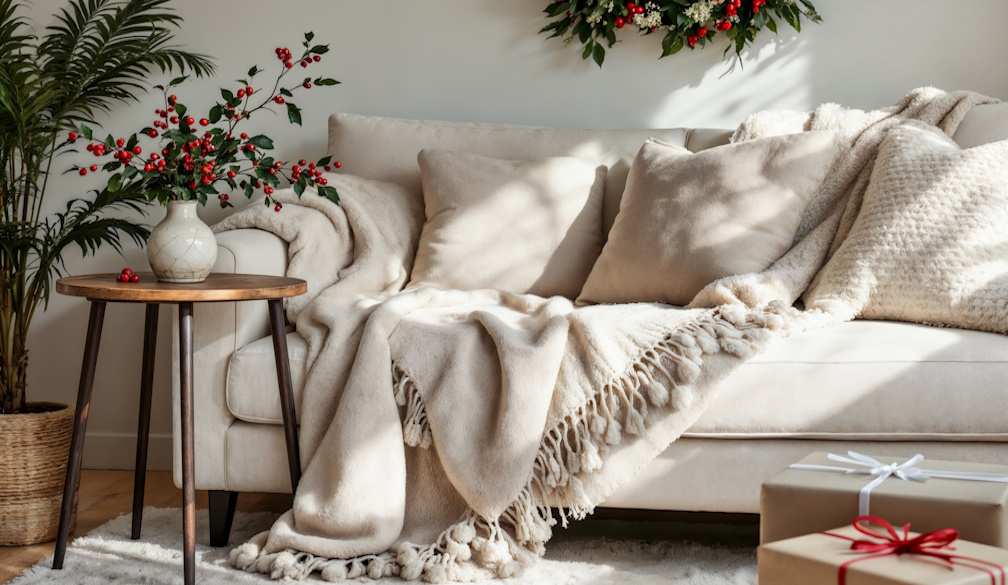
Throws act as the perfect finishing accessories to dress up an otherwise bare sofa or reading chair. Just as a designer coat finishes an outfit, intentionally draping these natural-fibre textiles softens hard architectural edges and creates visual storytelling in your home. This approach adds warmth and sophistication without creating cognitive clutter. Whether draped casually over the armrest or folded neatly across the seat cushion, these textiles provide an inviting tactile quality that beckons guests to sit down and relax. Interior designers often use this technique to introduce temporary seasonal trends without committing to expensive upholstery changes.
The Science Behind Natural Fibres
When building a winter wardrobe for your home, the materials you choose matter just as much as how you style them. Environmental psychology studies indicate that interacting with tactile, natural materials significantly reduces cognitive overload by lowering activity in the brain's prefrontal cortex. The concept of biophilic design for the coming years is expanding far beyond visual greenery to focus heavily on these tactile senses. Embracing these textures is a direct, sensory antidote to the fatigue brought on by heavy technology use.
Beyond their psychological benefits, natural materials offer incredible structural and environmental advantages. For example, natural wool textiles not only add aesthetic comfort but are also known to improve indoor air quality and reduce environmental microplastic pollution, as they are fully biodegradable and produce no volatile organic compounds. According to the International Wool Textile Organisation, these fibres naturally filter airborne contaminants. Furthermore, unlike synthetic fabrics, natural wool acts as a highly efficient, breathable temperature regulator. It can absorb up to one-third of its dry weight in moisture without ever feeling damp. This makes it an incredibly functional choice across multiple seasons, rather than just during the deep winter months. Investing in quality materials ensures your space remains healthy, sustainable, and endlessly stylish.
Steps to Layer Your Living Space
Dressing a room is remarkably similar to assembling the perfect winter outfit. To achieve a balanced and inviting space, follow a structured approach to layering your home textiles. This method ensures every element serves a specific visual and functional purpose.
- Start with a solid base: Your sofa or armchair acts as your foundational layer, much like a classic winter knit. Choose smooth, structural fabrics like linen or cotton velvet that provide a neutral canvas.
- Add a textural mid-layer: Introduce cushions made from varied organic materials. Mixing smooth velvet with chunky boucle or ribbed corduroy creates immediate visual interest without causing visual clutter.
- Apply the outer layer: This is where draping comes into play. A textured blanket elegantly tossed over the arm of a chair serves as the decorative outerwear of your room.
- Focus on the floor: Do not neglect the ground. A plush, textured rug acts as the footwear of your interior outfit, grounding the space and adding essential insulation during colder months.
A Restorative Winter Sanctuary
The evolution of interior styling is moving heavily towards sensory wellbeing. With individuals spending an average of 87 percent of their time indoors, creating a comforting environment is no longer just an aesthetic choice, but a practical necessity for mental restoration. Recognising the structural and environmental benefits of natural fibres, recent design movements and even new building policies are championing practical woollen fibres over synthetics. By treating your home furnishings with the same care and attention to detail as your winter wardrobe, you can cultivate a space that looks elegantly curated and feels profoundly restorative. This winter, let your home wear its warmth with pride, ensuring every corner offers an inviting retreat from the chilly weather outside.