

The Environmental Impact of Nightwear Choices: Reducing Our Carbon Footprint One Nightie at a Time
- Written by: The Times
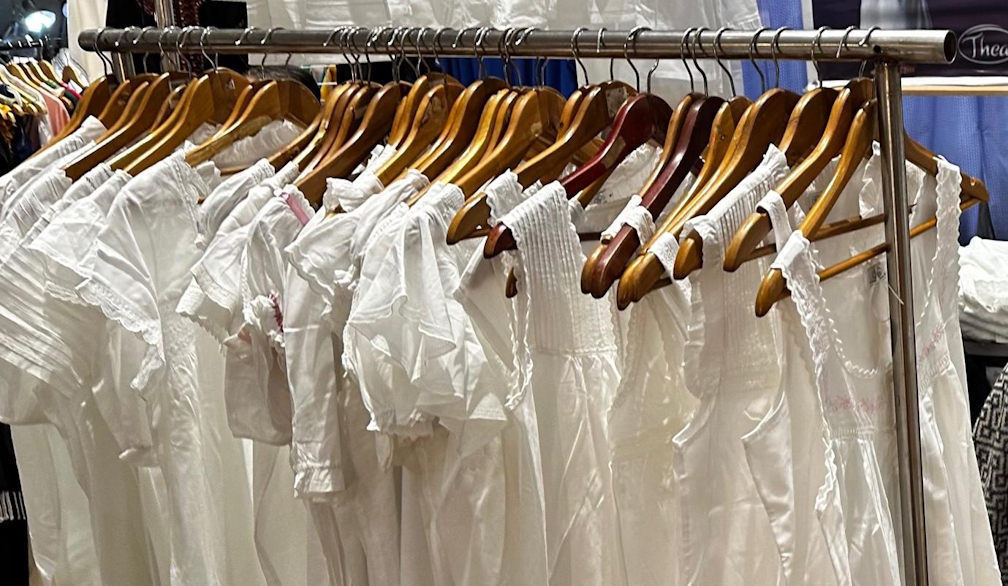
Climate change affects nearly every aspect of our lives. Governments worldwide have implemented policies and interventions to reduce its impact. But responsibility is on us as well, to contribute to the global efforts. And the opportunities to contribute are endless. In our daily lives, we often overlook how our choices in clothing affect the environment. Nightwear, something we wear for a significant portion of our lives, can also have an impact on the planet. From the materials used to make them to how we care for them, every decision we make can contribute to either harming or preserving the environment. In this limited space, this article explores the environmental footprint of nightwear and suggests ways to make more sustainable choices.
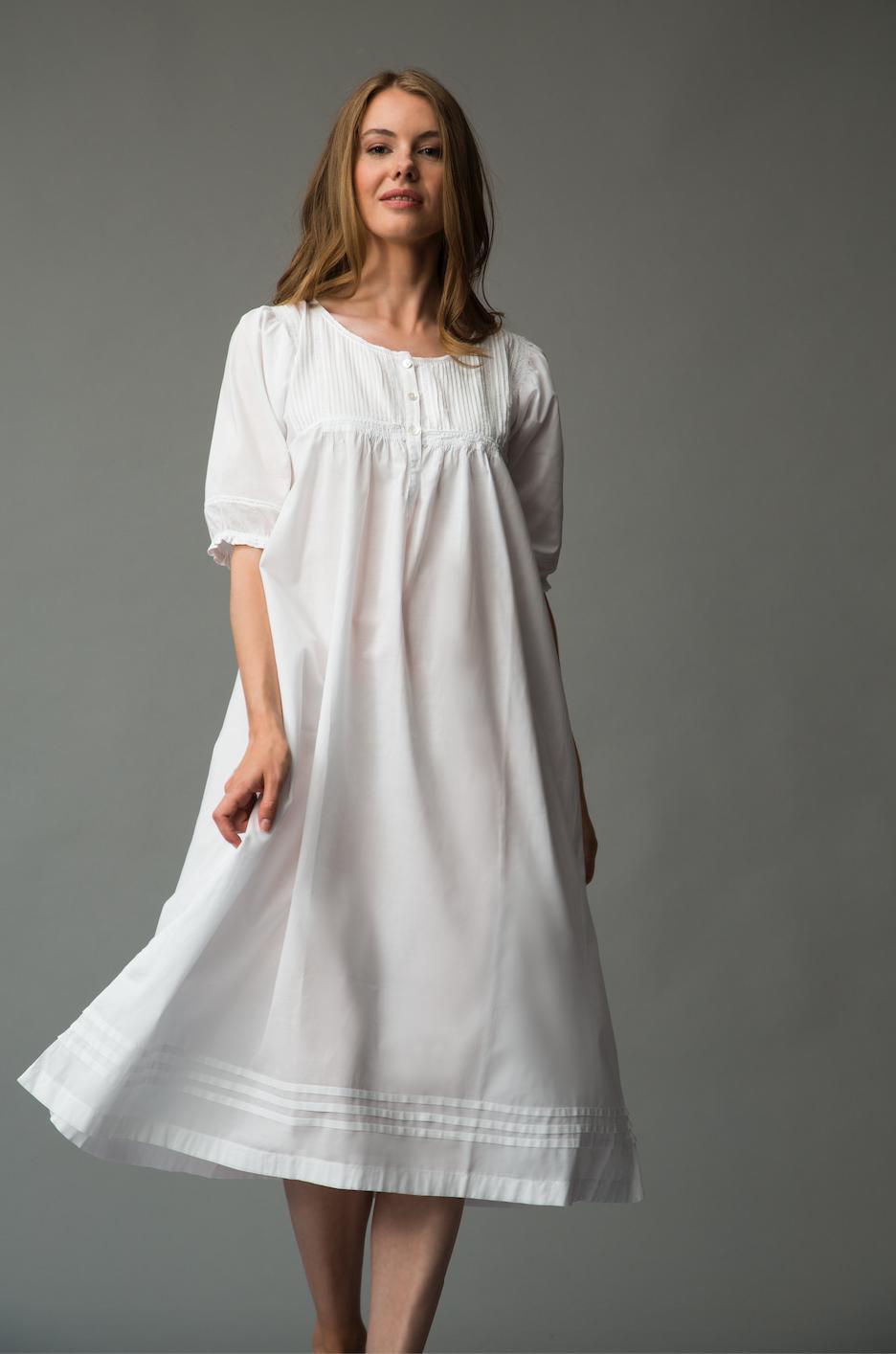
Fashion Causes Environmental Pollution
Now a days, clothes are made for a few uses only. The fashion-conscious consumers want to wear new styles frequently and refuse to wear same clothes more than a few times. This need creates an opportunity for the cloth manufacturers & sellers for maximising profits. They invent beautiful styles, make them with cheap synthetic materials like polyester and sell them at affordable prices to the mass. For example, Zara & Shein, two mega cloth retailers churn out new styles every week. These clothes mostly end up in the landfills because cheap clothes don’t have appeal to the second-hand buyers.
According to the Australian Fashion Council, about 227,000 tonnes of discarded clothing is sent to landfill in Australia each year. (“Clothing industry put on notice as fast fashion and unwanted clothing ...”) Only 7,000 tonnes is recycled. https://www.abc.net.au/news/2023-02-12/fast-fashion-industry-environmental-toll-amid-greenwashing/101912482
Without any policy in place in the fashion sector to tackle this issue, it’s up to us to do our part to contribute to saving the Mother Nature. Let’s explore how we can leave positive environmental footprint by choosing clothes made with cottons.
Choose Natural Fibers not Synthetics
Synthetic fabrics like polyester and nylon are derived from petroleum-based products and are non-biodegradable. They contribute to microplastic pollution when washed and take centuries to decompose in landfills. In contrast, natural fibres such as organic cotton, bamboo, and hemp have lower environmental impacts during production. Simply put, these sources of fabrics are renewable and biodegradable at the end of their life cycle. Even thrown in the landfills, natural fibres break down naturally without leaving harmful residues.
Look for Organic and Sustainable Certifications
Opting for nightwear made from organically grown fibres reduces exposure to harmful pesticides and chemicals. Find out if the suppliers have certifications from Global Organic Textile Standard (GOTS) or OEKO-TEX Standard 100. These standards ensure that the materials are produced sustainably and without harmful substances.
Check for Fair Trade and Ethical Production
Consider brands that prioritise fair trade practices and ethical treatment of workers in their manufacturing processes. Supporting these companies helps ensure that your nightwear is produced under safe and fair working conditions. This is crucial for both human rights and environmental sustainability.
Check out Energy and Water Use
Manufacturing nightwear consumes energy and water. Choosing brands that disclose their energy-efficient practices and water-saving techniques can help reduce the overall environmental impact of production.
Think about Durability
Investing in high-quality nightwear in naturally grown cotton, silk & wool may cost more initially but pays off in the long run. Well-made garments last longer, reducing the frequency of replacements and decreasing overall consumption. This approach also minimises waste and conserves resources.
Take Good Care of your Cotton Nighties
Proper care extends the lifespan of clothes made with cottons. Washing in cold water, using eco-friendly detergents, and air-drying instead of using a dryer can significantly reduce energy consumption and prolong the durability of fabrics. It’s slightly inconvenient, but a little inconvenience has a big impact in the longevity of the sleepwear.
Recycle & Up-cycle your Cotton Nightwear
When it’s time to part with old nightgowns, consider recycling options if available in your area. Some fabrics can be repurposed into new textiles or other products, reducing waste sent to landfills. Upcycling worn-out nightwear into cleaning rags or craft projects is another eco-friendly way to extend their usefulness.
Conclusion
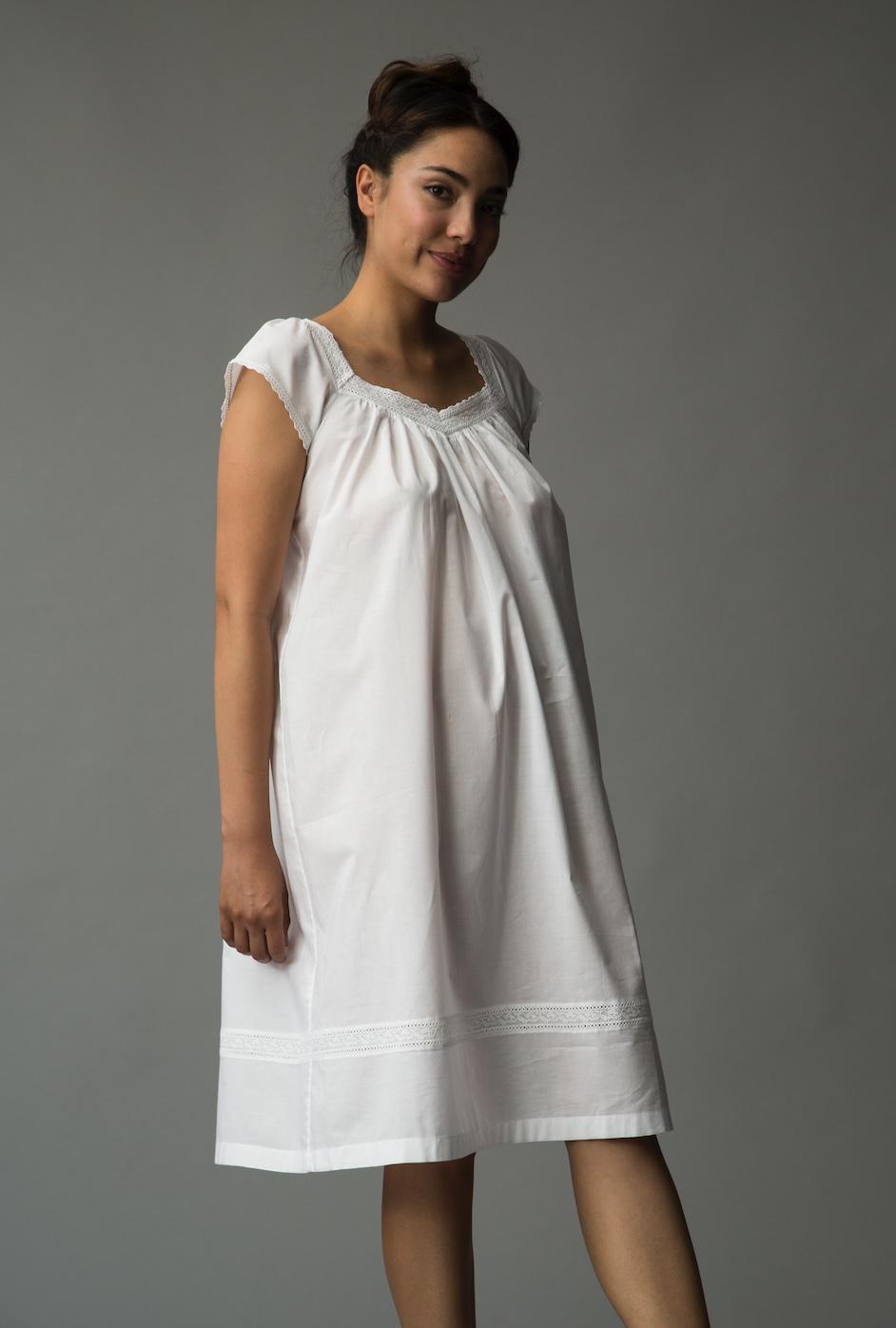
The environmental impact of sleepwear choices may seem insignificant compared to other daily decisions, but every small change counts towards a sustainable future. We can all contribute to reducing our carbon footprint and preserving Mother Nature for future generations. And this is achievable by selecting sleep dresses made from eco-friendly materials, supporting ethical manufacturing practices, and adopting responsible consumption habits.
Making informed choices can help protect the environment while ensuring you sleep comfortably and responsibly. Together, let's make a positive impact on the planet—one nightie at a time.