Top Essential Home Safety Tips for New Australian Homeowners
- Written by: The Times
Stepping into homeownership is an exciting milestone that brings a mix of pride and responsibility. One of the foremost responsibilities is ensuring your new home is a safe haven. Home safety isn't just about installing an alarm system; it's about forming an all-encompassing approach to protect your family and property. In Australia, unique environmental factors and building standards require special consideration. This article aims to provide new Australian homeowners with essential and practical safety tips. Implementing these suggestions will offer peace of mind and long-term protection for you and your loved ones.
Secure All Entry Points
A robust home security strategy starts with securing all entry points. Doors and windows are the most common access points for burglars; therefore, they should be reinforced to deter unwanted visitors. High-quality locks are a basic yet significant investment. Deadbolts offer an added layer of security, making it harder for intruders to break in. Security screens on windows and doors can further bolster your defences.
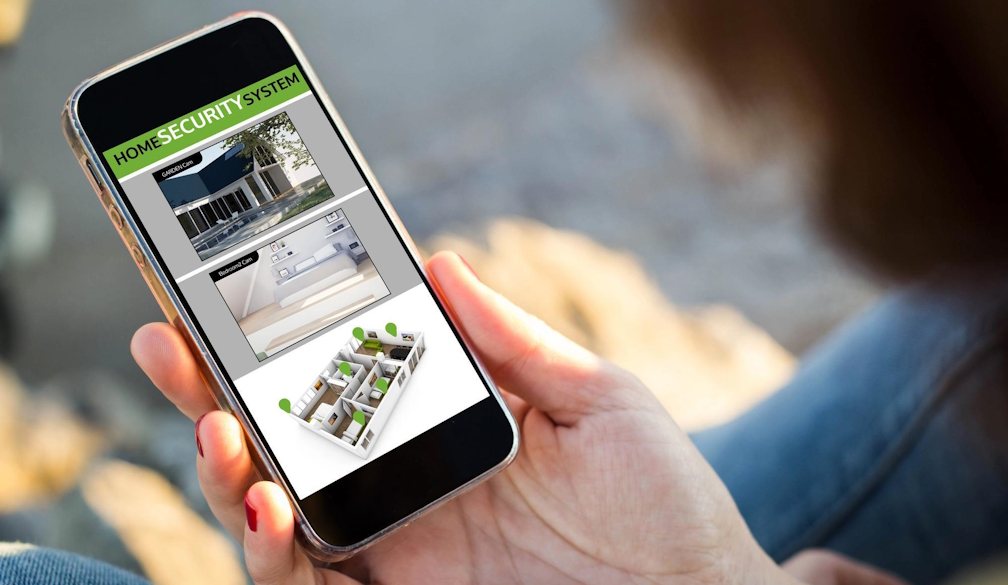
Consider installing smart doorbells equipped with cameras. These devices allow homeowners to monitor who is at their doorstep, regardless of their location. Surveillance cameras positioned around the perimeter of the home can also act as a deterrent and provide valuable evidence in the case of a burglary.
Install Smoke and Carbon Monoxide Detectors
In Australia, smoke detectors are not just advisable; they are a legal requirement. Position smoke detectors in every bedroom, hallway, and kitchen to ensure comprehensive coverage. It’s vital to maintain these devices by testing them regularly. How to test smoke alarms properly? Simply press the test button, and if the alarm sounds, it's functioning correctly. Batteries should be replaced annually, or whenever the low-battery warning chirps.
Carbon monoxide detectors, although not legally required, are equally important. This odourless, colourless gas can be deadly. Install these detectors near sleeping areas and appliances that use natural gas or other fuels. Regular inspections and maintenance are key to keeping these life-saving devices in optimal working condition.
Electrical Safety Measures
Electrical safety should never be overlooked. Outdated or faulty wiring is a significant risk, and it's advisable to have a licensed electrician inspect your home's electrical system. Ensure all electrical appliances and extension cords are used correctly, avoiding overloading sockets.
Surge protectors are essential for safeguarding electronic devices against power surges, which are common during storms. Regular checks and maintenance of the electrical system, performed by professionals, can prevent potential hazards.
Childproofing Your Home
Homes with young children require additional safety measures. Heavy furniture and TVs should be secured to walls to prevent tipping. Safety gates can block access to stairs and other hazardous areas, while cabinet locks keep dangerous substances out of reach.
Swimming pools pose a particular risk; ensure they are surrounded by a secure fence with a self-latching gate. Supervision is paramount when children are near water. Taking these steps will create a safer environment for kids to explore and play.
Fire Safety and Preparedness
Fire safety is paramount. Begin by creating a fire escape plan, practising it regularly with your household to ensure everyone knows what to do in case of a fire. Store flammable materials, such as gasoline and cleaning products, in a cool, dry place away from living areas.
Fire extinguishers should be accessible and household members should know how to use them. Keeping fire blankets in the kitchen and other high-risk areas can offer an additional layer of protection in case of small fires. These measures can make all the difference in an emergency.
Outdoor Safety Considerations
Outdoor areas often pose their own set of risks. Keeping pathways and driveways well-lit reduces the likelihood of accidents and also deters potential intruders. Secure fencing around your property can prevent unauthorised access and keeps children and pets safe.
Regular maintenance of outdoor spaces is essential. Remove any trip hazards and ensure garden tools and chemicals are safely stored. This vigilance keeps your outdoor areas safe and enjoyable.
Emergency Preparedness
Having a well-stocked emergency kit is an integral part of home safety. Include basics like water, non-perishable food, a torch, batteries, a first-aid kit, and essential medications. An emergency contact list should be easily accessible and include local services, medical professionals, and family contacts.
Develop a communication plan so everyone knows how to reach each other during an emergency. Additionally, household members should receive basic first aid and CPR training. These skills can be invaluable in a crisis.
Conclusion
In conclusion, these ten essential home safety tips offer a comprehensive guide for new Australian homeowners. From securing entry points to maintaining fire safety and ensuring outdoor areas are risk-free, these steps are designed to safeguard your home and loved ones. Taking proactive measures, such as installing detectors and securing furniture, can significantly reduce potential hazards.
Regularly reviewing and updating these safety practices is crucial. As new risks emerge and household circumstances change, so should your safety measures. Maintaining a safe home environment isn't a one-time effort but a continuous priority that pays off in the long run.
By following these guidelines, homeowners can enjoy their new space with confidence, knowing they've taken steps to protect their investment and, more importantly, their family. Understanding and addressing the unique safety challenges faced by Australian homes ensures a secure and happy living experience for all.