Why You Need an Expert Electrician for Your Business’s Electrical Upgrades and Repairs
- Written by: The Times
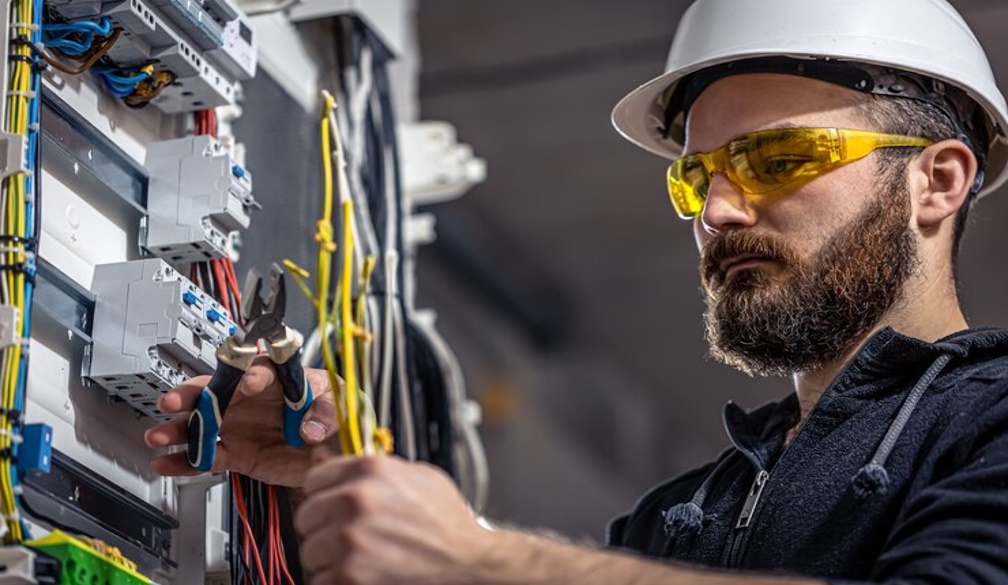
When it comes to maintaining and upgrading your business’s electrical systems, it’s essential to call in a professional. Electrical work in any commercial setting requires the expertise of a qualified electrician in Newcastle or an electrician Brisbane. Whether you're planning an upgrade to meet safety standards or require repairs for malfunctioning systems, hiring a skilled electrician ensures that the work is done safely, efficiently, and to code.
Electrical issues can range from minor faults to major hazards, and it’s important to have the right expertise on hand. Here’s why you need an expert for your business’s electrical upgrades and repairs.
The Importance of Hiring an Expert Electrician
Electrical systems form the backbone of most businesses. From lighting and power outlets to complex machinery and security systems, everything relies on electricity. Here’s why an expert is indispensable when dealing with electrical upgrades and repairs:
Safety First
The most crucial reason to hire a professional electrician in Newcastle is safety. Electricity is hazardous, and mishandling it can result in severe injury or even death. A qualified electrician understands the intricacies of electrical systems, knows how to deal with potential hazards, and follows all safety protocols.
Attempting DIY repairs or hiring an unqualified contractor puts your employees, your equipment, and your property at risk. A licensed electrician is trained to handle high-voltage systems and will ensure that any upgrades or repairs meet national safety standards. Additionally, they are familiar with the latest safety regulations, reducing the likelihood of electrical accidents.
Expert Knowledge and Experience
An electrician in Newcastle brings a wealth of knowledge and experience to the table. Electrical systems can be complex, and understanding the cause of a fault or how to safely upgrade an installation requires expert training. With years of experience, a professional electrician can quickly identify problems, recommend the best solutions, and implement them efficiently. Whether you’re looking to add new electrical outlets, install energy-efficient lighting, or upgrade your entire electrical panel, the right electrician can do the job right the first time. They’ll ensure the work complies with local codes and regulations, reducing the chances of costly rework or penalties.
Avoid Costly Mistakes
Electrical repairs or upgrades done incorrectly can result in costly repairs, downtime, or even fire hazards. Hiring a qualified electrician in Newcastle ensures that your electrical system is installed or repaired properly, saving you money in the long run.
A professional will diagnose issues quickly and fix them the first time around, preventing the same problem from recurring. Additionally, they will be able to recommend upgrades or improvements that could save you money on energy bills or prevent future problems.
Up-to-Date with Industry Standards
Electrical standards are constantly evolving to keep up with technological advancements and safety protocols. A licensed electrician is required to keep up with the latest updates in electrical codes and industry standards. This ensures that any work done on your premises will be compliant with current regulations.
For instance, if your business is looking to upgrade to energy-efficient lighting or install smart electrical systems, a professional electrician will understand how to implement these changes effectively, ensuring they are compatible with existing infrastructure and that your business stays compliant.
Tailored Solutions for Your Business
Every business has unique electrical needs depending on its size, industry, and equipment. An expert Newcastle electrical service provider will assess your specific needs and recommend customised solutions. For example, a retail store may need extra power outlets for displays, while a manufacturing facility may require dedicated circuits for heavy machinery. A professional electrician will evaluate the scope of your business’s electrical requirements and design a solution that ensures efficient power distribution and meets all operational demands.
Common Electrical Issues in Businesses
While every business is unique, there are common electrical issues that many businesses face. Here are some of the most frequent problems that require professional attention:
Frequent Circuit Breaker Tripping
If your circuit breaker trips regularly, it indicates an overload or potential wiring issue. This could be due to faulty wiring, malfunctioning appliances, or overloading the system with too many devices. An expert electrician in Newcastle can inspect your electrical panel and wiring to identify the cause and rectify the issue.
Flickering Lights
Flickering lights are often caused by loose connections, faulty light switches, or old wiring. While it might seem like a minor issue, flickering lights can be a sign of a more serious problem, such as a loose connection that could eventually lead to an electrical fire. A licensed electrician can track down the cause and provide a permanent solution.
Electrical Surges
Electrical surges, which occur when the power supply increases for a short period, can damage sensitive electronic equipment in your business. They can be caused by lightning, power outages, or faulty wiring. An expert Newcastle electrical services provider can install surge protectors and recommend solutions to safeguard your equipment.
Outdated Electrical Systems
Older buildings often have outdated electrical systems that may not support the modern demands of businesses. This can result in overloaded circuits, inadequate power supply, or an inability to safely install new electrical appliances. Upgrading the electrical system is crucial to ensuring that your business operates safely and efficiently.
Benefits of Upgrading Your Electrical System
Upgrading your electrical system comes with numerous benefits that can improve your business’s operations. Here are some of the key advantages of electrical upgrades:
Improved Efficiency
Newer electrical systems are more energy-efficient and can handle higher loads. This is particularly important for businesses that rely on heavy machinery or a large number of devices. Upgrading your system can reduce energy consumption and lower your electricity bills.
Enhanced Safety
Upgrading electrical components, such as wiring and circuit breakers, can reduce the risk of electrical fires and other hazards. Modern electrical systems come with advanced safety features that protect your property and employees.
Increased Property Valuenewcastle electrical service
Upgrading your electrical system adds value to your property. If you’re looking to sell your business or commercial space in the future, potential buyers will appreciate the updated electrical system, making your property more attractive.
Future-Proofing
With technology constantly evolving, electrical demands will continue to increase. By upgrading your system today, you can future-proof your business and ensure that your electrical infrastructure can handle new technologies and expanding operations.
Why You Should Choose a Licensed Electrician
Hiring a licensed electrician in Newcastle ensures that your business’s electrical work meets safety standards and legal regulations. Unqualified electricians or DIY attempts can lead to fire hazards, electrical failures, and costly repairs. Licensed electricians have the expertise to handle complex wiring, system upgrades, and repairs with precision.
They use the latest tools and techniques to ensure your electrical systems are efficient, compliant, and safe. Whether it’s an upgrade, repair, or routine maintenance, a qualified professional provides peace of mind, reducing risks and preventing potential downtime. Investing in expert Newcastle electrical service protects your business, employees, and property.
Conclusion
Ensuring your business’s electrical system is safe and efficient requires the expertise of a licensed electrician in Newcastle. From repairs to upgrades, professional electricians follow industry standards to prevent hazards and ensure compliance. Investing in expert Newcastle electrical service not only enhances workplace safety but also improves energy efficiency and prevents costly downtime. Don’t take risks with your business’s electrical needs—hire a qualified electrician to keep your operations running smoothly and securely for long-term reliability.
FAQs
1. What should I do if I experience a power outage at my business?
If you experience a power outage, first check your circuit breaker to ensure it hasn’t tripped. If the breaker is fine, you may be dealing with a larger issue, such as a problem with the electrical grid or a fault in your system. Contact a professional electrician in Newcastle to diagnose and fix the problem.
2. How often should I get my business’s electrical system inspected?
It’s recommended to have your business’s electrical system inspected at least once every two years. However, if you notice signs of wear or malfunction, such as flickering lights or circuit breaker trips, you should have it inspected sooner.
3. Can I upgrade my electrical system myself?
Electrical upgrades should always be performed by a licensed electrician. Working with electricity is dangerous, and unqualified attempts can lead to severe injury, fire hazards, or legal penalties.
4. How can I tell if my electrical system is outdated?
If your business struggles with power surges, frequent outages, or if the wiring is old and damaged, your electrical system may be outdated. Consult with a qualified Newcastle electrical service provider to assess your system and recommend upgrades if necessary.
5. How much does it cost to upgrade an electrical system in a business?
The cost of upgrading an electrical system varies based on factors like the size of your business, the scope of the upgrades, and the condition of your existing system. It’s best to consult with an experienced electrician in Newcastle to get an accurate quote based on your specific needs.